Pacific temperate rainforests are the last global stronghold where ancient conifers still dominate landscapes
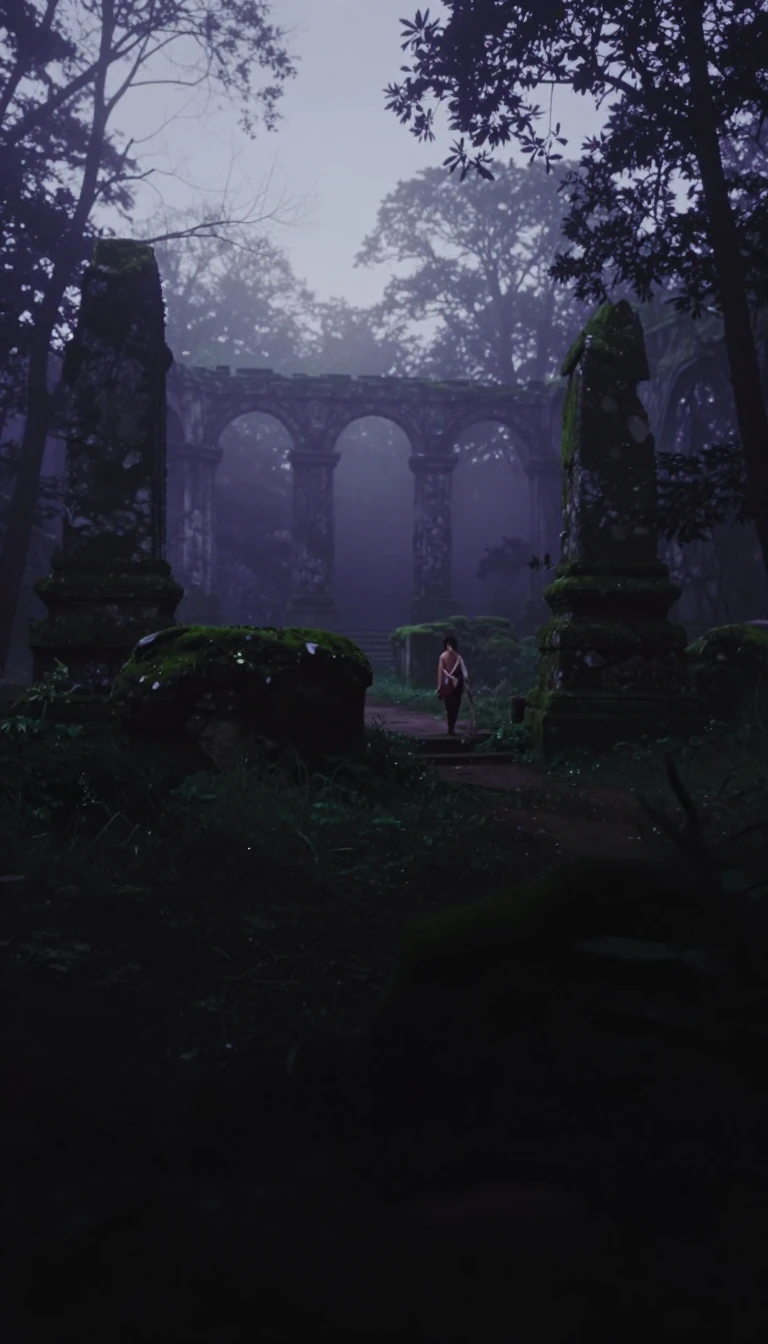
In short: While tropical rainforests capture the spotlight, the temperate rainforests of North America hold a secret. They are the only place on Earth where conifers still reign supreme, just as they did millions of years ago. These massive, moisture-drenched ecosystems store more carbon per hectare than almost anywhere else.
Stretching from northern California to Alaska, the Pacific temperate rainforests exist in a unique climatic pocket. Unlike their tropical counterparts, these forests experience mild temperatures year-round, fueled by heavy rainfall and coastal fog. This environment allows conifers—such as towering redwoods, Sitka spruce, and western hemlock—to thrive. These trees are remnants of a prehistoric era; before flowering plants evolved and dominated the planet during the Cretaceous period, conifers were the primary group of large trees. Today, this region remains the only significant area on Earth where these ancient giants continue to flourish as they did before the rise of flowering plants.
The productivity of this ecosystem is staggering. Because these forests rarely experience the large-scale fires that plague drier biomes, they accumulate an immense amount of living and decaying material. On the best sites, the biomass is at least four times greater than that of comparable tropical areas. This dense accumulation of trees, mosses, and soil makes these forests vital carbon sinks, capable of holding over 900 metric tons of carbon per hectare. In some locations, old-growth trees produce even more biomass than those found in the tropics, underscoring their global ecological importance.
Despite their resilience, these forests face modern threats. Logging has severely reduced the footprint of old-growth stands, particularly in British Columbia, where less than one percent of the original tall, old-growth trees remain. Furthermore, climate change is altering the delicate balance of the region. Warmer temperatures are accelerating forest growth, which paradoxically leads to carbon being released into waterways from decaying branches and leaves at a higher rate. As these forests continue to be studied, their complexity becomes clearer; a single survey in the Carmanah Valley of Vancouver Island once identified 15,000 species, including 500 previously unknown to science, highlighting the immense biodiversity hidden beneath their canopy.
Opens the Intellect+ feed with this card first. Swipe up for the next one.
Sources
- Summary by Intellect · source: Temperate rainforest | Description, Climate, Life, & Facts | Britannica
- Also: Pacific temperate rainforests
To cite this card, link to https://intellectplus.co.uk/app/places-pacific-temperate-rainforests.
How we source, check and correct cards: Editorial standards.
General information, not professional advice. Spotted an error? Flag the card or see corrections and complaints.
Intellect Plus is a visual educational discovery platform for exploring fascinating facts and ideas. Brain Food, Not Brain Rot. What is Intellect Plus?
Related
More in Vegetation features · More in Countries & Cities · Latest · A–Z · All topics
