Why the Painted Desert displays a spectrum of colors across its vast badlands
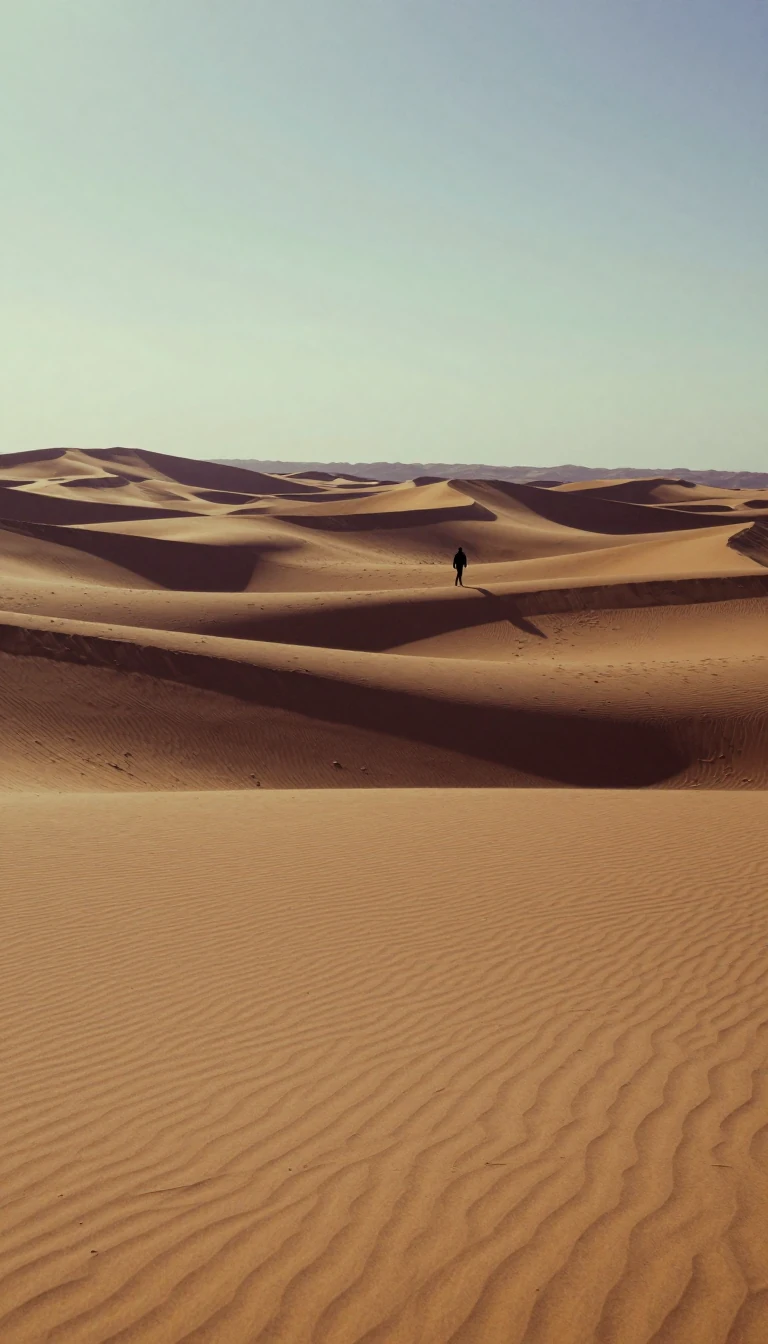
In short: Spanning 7,500 square miles, the Painted Desert is a geological masterpiece defined by its vibrant, stratified layers. Beyond its striking aesthetic, this arid expanse serves as a window into the Triassic period, housing fossilized forests and ancient history within its easily eroding siltstone, mudstone, and shale formations.
The Painted Desert, stretching roughly 120 miles long and 60 miles wide, is a vast badlands region in the Four Corners area of Arizona. Its name, El Desierto Pintado, was coined by a Spanish expedition led by Francisco Vázquez de Coronado in 1540. While searching for the mythical Seven Cities of Cibola, the explorers encountered this landscape of brilliant colors, ranging from common red rock to unique shades of lavender, while seeking supplies near the Colorado River.
The region's distinct coloration is a direct result of its composition. It is built from stratified layers of the Triassic Chinle Formation, specifically siltstone, mudstone, and shale. These layers are rich in iron and manganese compounds, which act as natural pigments. The topography is further shaped by thin, resistant lacustrine limestone and volcanic flows that cap the mesas. Additionally, layers of silicic volcanic ash within the Chinle Formation provided the essential silica required for the fossilization of the area's famous coniferous forests over millions of years.
Climate and geography play a critical role in maintaining this landscape. The Painted Desert experiences a cold desert climate, characterized by hot, dry summers and chilly winters. This is largely due to the rain shadow created by the Mogollon Rim, which results in the lowest annual precipitation in northern Arizona. Constant erosion from wind and water continues to reshape the face of the desert, shifting sediment and exposing new layers of the Chinle Formation. Today, the area remains a site of scientific interest, containing fossilized prehistoric flora and fauna, dinosaur tracks, and evidence of early human habitation.
Access to the region varies significantly. While major highways traverse parts of the desert, much of the area remains remote, accessible only by foot or unpaved roads. Portions within Petrified Forest National Park are protected as wilderness, limiting motorized travel, while the northern sections extending into the Navajo Nation require specific permits for off-road exploration. This delicate balance of protection and accessibility ensures that the desert's geological and historical treasures remain preserved for future study.
Opens the Intellect+ feed with this card first. Swipe up for the next one.
Sources
- Summary by Intellect · source: Painted Desert (Arizona)
To cite this card, link to https://intellectplus.co.uk/app/places-painted-desert-arizona.
How we source, check and correct cards: Editorial standards.
General information, not professional advice. Spotted an error? Flag the card or see corrections and complaints.
Intellect Plus is a visual educational discovery platform for exploring fascinating facts and ideas. Brain Food, Not Brain Rot. What is Intellect Plus?
Related
More in Vegetation features · More in Countries & Cities · Latest · A–Z · All topics
