A Genoese banker's residence that became a timeless monument to Renaissance Mannerist art
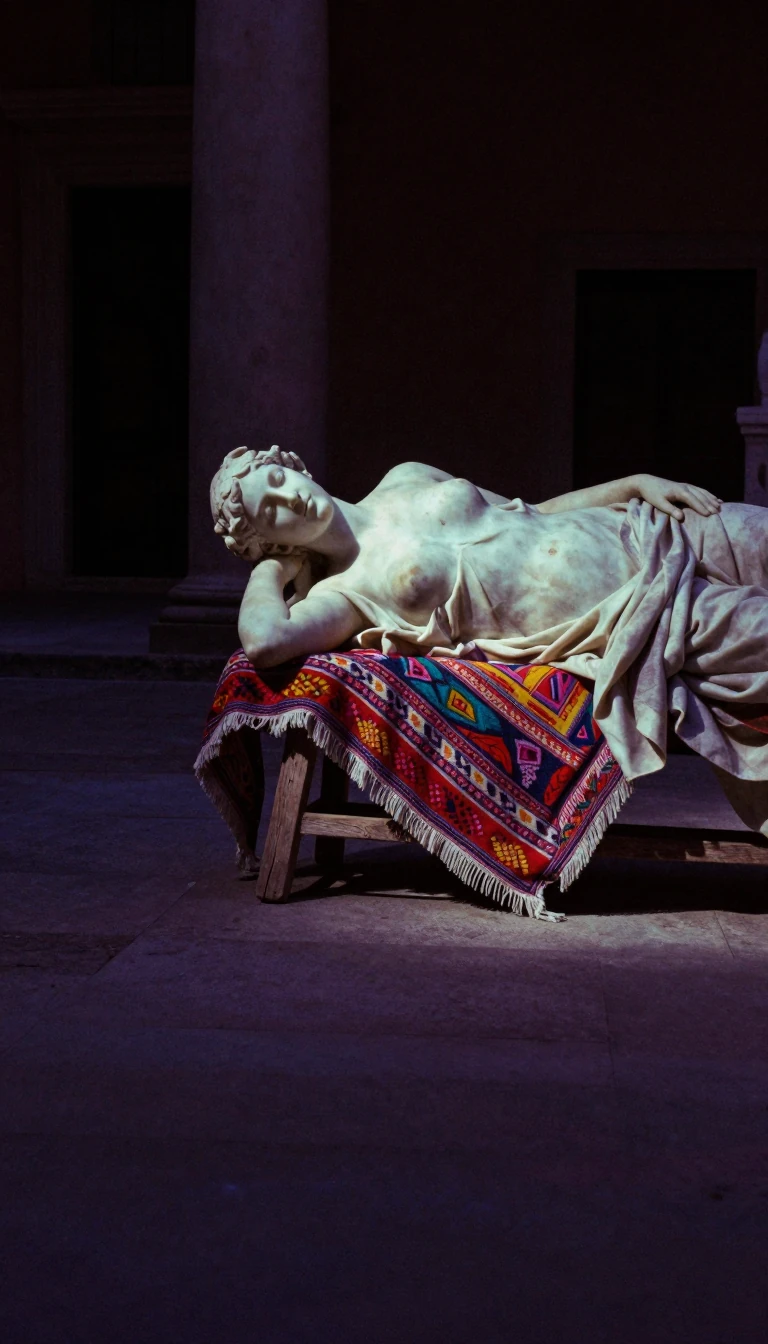
In short: In the heart of Genoa, the Palazzo Ambrogio Di Negro stands as a testament to the city's golden age. Built by a powerful financier to the Spanish Crown, this historic structure serves as a bridge between the commercial vitality of the sixteenth century and the enduring legacy of UNESCO heritage.
Constructed between 1569 and 1572, the palace was the vision of Ambrogio Di Negro, a prominent banker who served as doge of the Republic of Genoa from 1585 to 1587. As a member of the Accademia degli Addormentati, Di Negro infused his home with the intellectual spirit of his time. The building remained a hub for the family's business operations for more than two centuries, eventually gaining recognition in the 1622 publication Palazzi di Genova, which documented the city's most significant architectural achievements.
The interior is defined by its sophisticated Mannerist decorative cycle, primarily attributed to the artist Andrea Semino and his workshop, including his sons Cesare and Alessandro, and his brother Ottavio. The main piano nobile features a series of frescoed vaults depicting mythological narratives, such as the abduction of Helen and the life of Paris. Smaller chambers showcase cycles dedicated to Danae and her son Perseus, reflecting the classical humanism that Di Negro championed. These artistic elements are complemented by architectural details like white marble portals and black stone doorways inscribed with Latin phrases.
The palace occupies a strategic position in the historic center, situated near the Loggia dei Mercanti and the Church of San Pietro in Banchi. Its design features two primary facades, one facing the redeveloped Piazza Banchi and the other along Via San Luca. The structure includes a vaulted staircase that overlooks a three-sided courtyard loggia. Today, the building maintains its cultural relevance by housing the Edoardo Garrone Foundation, ensuring that the site continues to contribute to the intellectual life of Genoa long after its inclusion in the UNESCO World Heritage list in 2006.
The site reached its peak of grandeur during the early seventeenth century under the stewardship of Orazio, the illegitimate son and heir of Ambrogio. Throughout its history, the palace has been a constant presence in the Rolli di Genova, the official lists of residences designated for hosting visiting dignitaries. By preserving its original layout and artistic integrity, the Palazzo Ambrogio Di Negro remains a vital link to the economic and cultural history of the Republic of Genoa.
Opens the Intellect+ feed with this card first. Swipe up for the next one.
Sources
- Summary by Intellect · source: Palazzo Ambrogio Di Negro
- Also: Wikidata — Palazzo Ambrogio Di Negro · CC0
To cite this card, link to https://intellectplus.co.uk/app/places-palazzo-ambrogio-di-negro.
How we source, check and correct cards: Editorial standards.
General information, not professional advice. Spotted an error? Flag the card or see corrections and complaints.
Intellect Plus is a visual educational discovery platform for exploring fascinating facts and ideas. Brain Food, Not Brain Rot. What is Intellect Plus?
Related
More in World Heritage Sites · More in Countries & Cities · Latest · A–Z · All topics
