The Genoese Palace That Captured the Attention of Peter Paul Rubens Centuries Ago
In short: In the heart of Genoa lies a residence so architecturally significant that it earned a place among the city's UNESCO World Heritage sites. Built in the 16th century, this palazzo has evolved through centuries of ownership, art, and restoration, remaining a testament to the city's enduring legacy of grandeur.
Commissioned by Paolo Battista and Niccolò Interiano, the palazzo was constructed between 1565 and 1567 by the Ticino architect Francesco Casella. Its prestige was established early; by 1576, it was already categorized as a palace of the highest rank in the city's official rolls. Its reputation was cemented in 1622 when Peter Paul Rubens included it in his celebrated publication, Palaces of Genoa, highlighting its prominence among the city's elite residences.
The building's exterior is a complex visual puzzle, featuring a facade adorned with Mannerist paintings by Lazzaro and Benedetto Calvi. These works depict cardinal virtues such as Prudence, Temperance, Justice, and Fortitude. The portal, crafted in alternating stone and marble, displays the Pallavicino family coat of arms. Beyond the architecture, the site preserves historical remnants like the 13th-century epigraphs of the Fathers of the Commune, which serve as a reminder of the ancient Marose fountains that once defined the area.
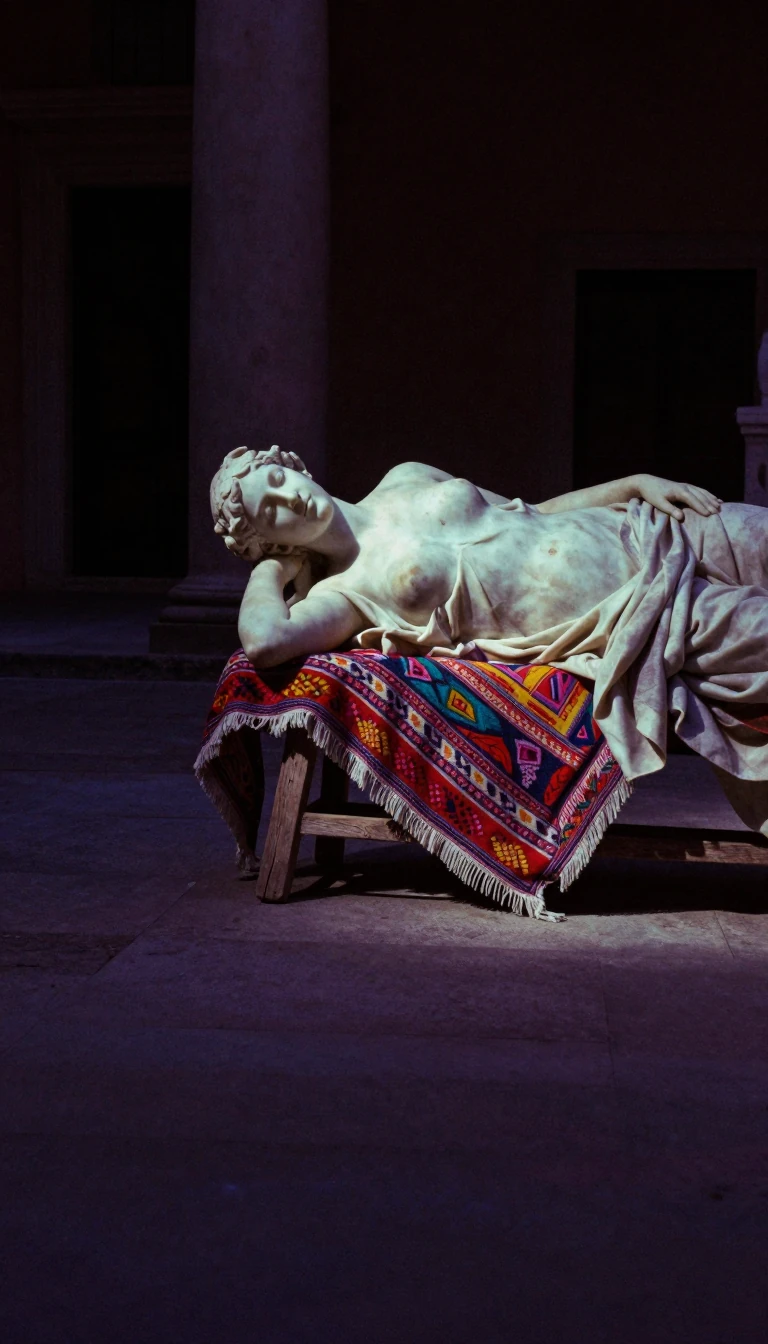
Ownership shifted frequently over the centuries, passing from the Interiano family to the Negrone, Centurione, Grimaldi, and Vivaldi Pasqua families before reaching the Pallavicini. Each era left its mark. Between 1844 and 1851, architect Pietro Pellegrini extended the structure northward and designed a tiered garden that climbs the hillside, complete with loggias and a nymphaeum. Later, in the 19th century, Marquis Domenico Pallavicino and his wife Teresa Corsi commissioned further restorations, including interior decorations by Michele Canzio. Today, the palace stands as a layered historical narrative, housing neoclassical sculptures by artists like Nicolò Traverso and Salvatore Revelli, while its grounds connect to the modern Museo d'arte orientale Edoardo Chiossone, built in 1971.
Opens the Intellect+ feed with this card first. Swipe up for the next one.
Sources
- Summary by Intellect · source: Palazzo Interiano Pallavicini
- Also: Wikidata — Palazzo Paolo e Niccolò Interiano · CC0
To cite this card, link to https://intellectplus.co.uk/app/places-palazzo-interiano-pallavicini.
How we source, check and correct cards: Editorial standards.
General information, not professional advice. Spotted an error? Flag the card or see corrections and complaints.
Intellect Plus is a visual educational discovery platform for exploring fascinating facts and ideas. Brain Food, Not Brain Rot. What is Intellect Plus?
Related
More in World Heritage Sites · More in Countries & Cities · Latest · A–Z · All topics
