A Genoese landmark where Renaissance grandeur meets the history of the Italian Resistance
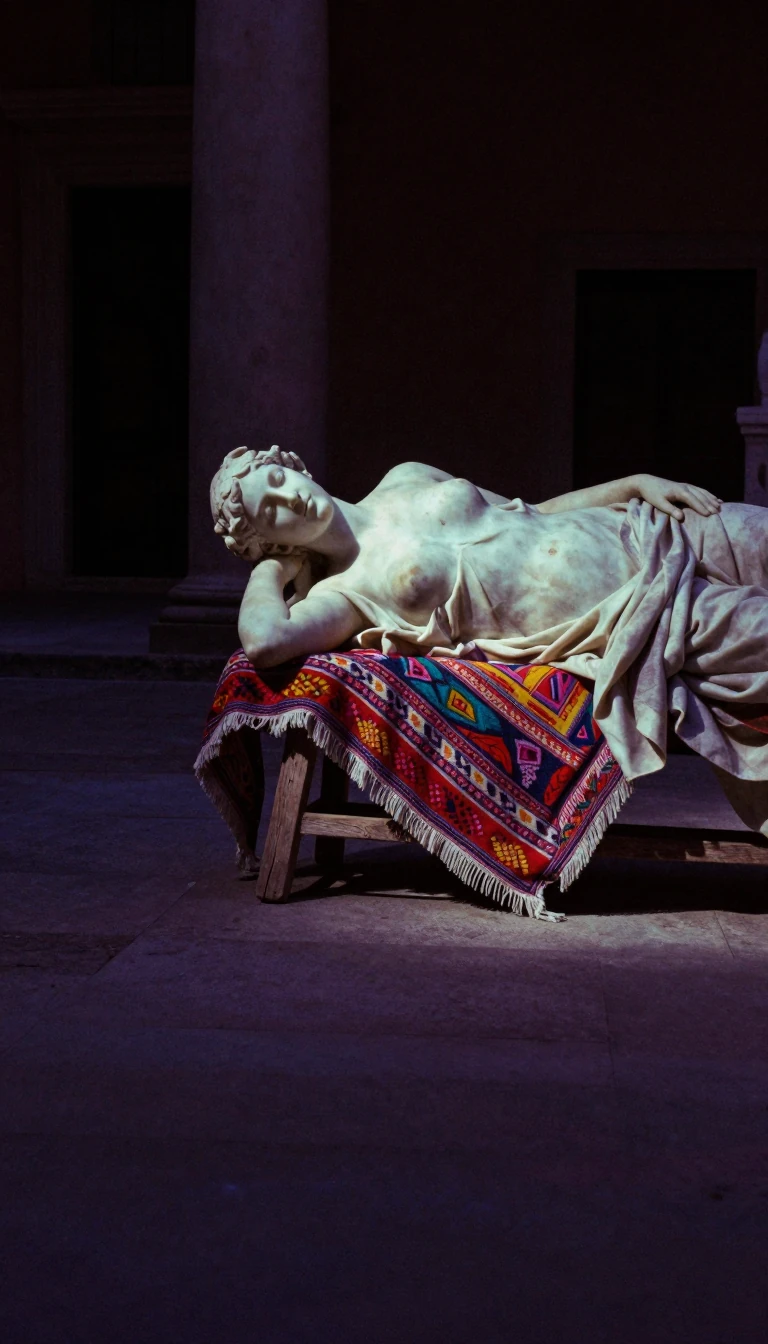
In short: Tucked away in the historic heart of Genoa, the Palazzo Stefano De Mari stands as a testament to centuries of aristocratic influence and artistic evolution. Once a hub for a powerful merchant family, this UNESCO-listed site blends 16th-century architectural ambition with hidden layers of later political and cultural significance.
Constructed during the 1500s on land previously owned by the Spinola family, the palace became a fixture of the prestigious Rolli di Genova registry by 1588. It is named for the De Mari lineage, a clan deeply integrated into the trade networks connecting Genoa to Spain and Naples. Stefano De Mari, the figure most associated with the property, was a prominent nobleman who eventually achieved the rank of doge in 1663. By 1798, records indicate the estate was held by his nephew, Carlo, who also carried the title of Prince Acquaviva of Naples.
The building’s architecture reflects a complex history of renovation and preservation. While a monumental portal dating to the late 1400s serves as the entrance, the interior atrium was updated in the 1800s. This space now features a plaque honoring the Italian Resistance, marking a shift from its origins as a private aristocratic residence to a site of modern historical memory. The exterior is characterized by narrow, frescoed façades, which are balanced by the light-filled inner courtyard and a partially enclosed porticoed staircase.
Inside, the piano nobile houses the most significant artistic contributions. Two primary salons are adorned with elaborate mock colonnades painted by the quadraturists Enrico and Antonio Haffner. The ceilings further showcase the era's artistic talent, featuring works by Bernardo Castello, who depicted scenes from ancient history, and Giovanni Battista Carlone, who painted a representation of Tobiolo and the Angel. Today, the palace is partitioned into private apartments, preserving these monumental interiors within the dense urban fabric of the Mercato di Banchi district.
In July 2006, the palace gained international recognition when UNESCO designated it as one of the 42 historic Genoese buildings forming the Rolli World Heritage site. This status highlights the unique role these structures played in hosting state visitors and defining the city's architectural identity during the height of its maritime power.
Opens the Intellect+ feed with this card first. Swipe up for the next one.
Sources
- Summary by Intellect · source: Palazzo Stefano De Mari
- Also: Wikidata — Palazzo De Mari Stefano · CC0
To cite this card, link to https://intellectplus.co.uk/app/places-palazzo-stefano-de-mari.
How we source, check and correct cards: Editorial standards.
General information, not professional advice. Spotted an error? Flag the card or see corrections and complaints.
Intellect Plus is a visual educational discovery platform for exploring fascinating facts and ideas. Brain Food, Not Brain Rot. What is Intellect Plus?
Related
More in World Heritage Sites · More in Countries & Cities · Latest · A–Z · All topics
