How a Genoese merchant palace became a vessel for centuries of aristocratic art
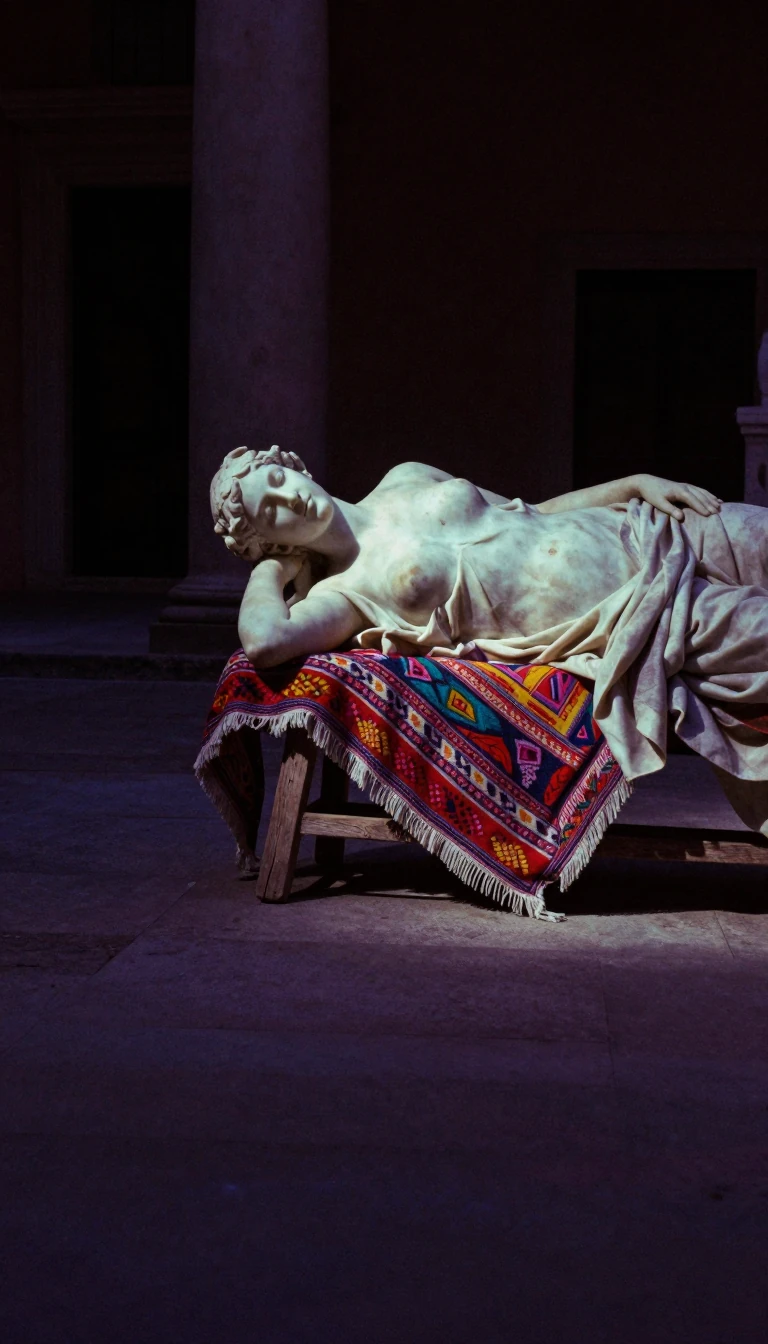
In short: In the heart of Genoa lies the Palazzo Spinola di Pellicceria, a masterpiece of late 16th-century architecture. Once a prestigious residence for state guests of the Republic, this UNESCO World Heritage site now serves as a national gallery, preserving a vast collection of art, furnishings, and history within its walls.
Commissioned by Francesco Grimaldi before 1593, the palace was built upon medieval foundations to serve as one of the 163 Palazzi dei Rolli. These residences were designated by the Republic of Genoa to host prominent visitors during state visits. Its architectural significance was recognized early; Peter Paul Rubens included an etching of its façade in his 1622 book, I Palazzi di Genova, printed in Antwerp. The interior reflects the grandeur of its era, featuring elaborate fresco decorations by artists such as Lazzaro Tavarone, whose work depicts historical triumphs like the 1304 victory of Ranieri Grimaldi over the Flemish fleet.
The palace changed hands several times through debt and marriage, moving from the Grimaldi family to the Pallavicini, Doria, and eventually the Spinola family. In the mid-18th century, Maddalena Doria oversaw a significant Rococo refurbishment, commissioning quadratura and the famous Gallery of Mirrors. However, the building’s history was not without trauma. During the Napoleonic occupation, Paolo Francesco Spinola was forced to sell much of the art collection, and the third floor suffered severe damage during World War II bombings.
The modern era of the palace began in 1958, when the marquis Paolo and Franco Spinola donated the building and its entire contents—including paintings, ceramics, and silverware—to the Italian government. Following the reconstruction of the war-damaged sections, the site opened as the National Gallery of Palazzo Spinola in 1993. Today, visitors can view works by masters like Luca Giordano, Giambologna, and Rubens, alongside the 1794 portrait of Paolo Francesco Spinola by Angelica Kauffman, all housed within a structure that remains a testament to the city's aristocratic legacy.
Opens the Intellect+ feed with this card first. Swipe up for the next one.
Sources
- Summary by Intellect · source: Palazzo Spinola di Pellicceria
To cite this card, link to https://intellectplus.co.uk/app/places-palazzo-spinola-di-pellicceria.
How we source, check and correct cards: Editorial standards.
General information, not professional advice. Spotted an error? Flag the card or see corrections and complaints.
Intellect Plus is a visual educational discovery platform for exploring fascinating facts and ideas. Brain Food, Not Brain Rot. What is Intellect Plus?
Related
More in World Heritage Sites · More in Countries & Cities · Latest · A–Z · All topics
