How a Genoese merchant's home became a masterpiece of Renaissance and Baroque design
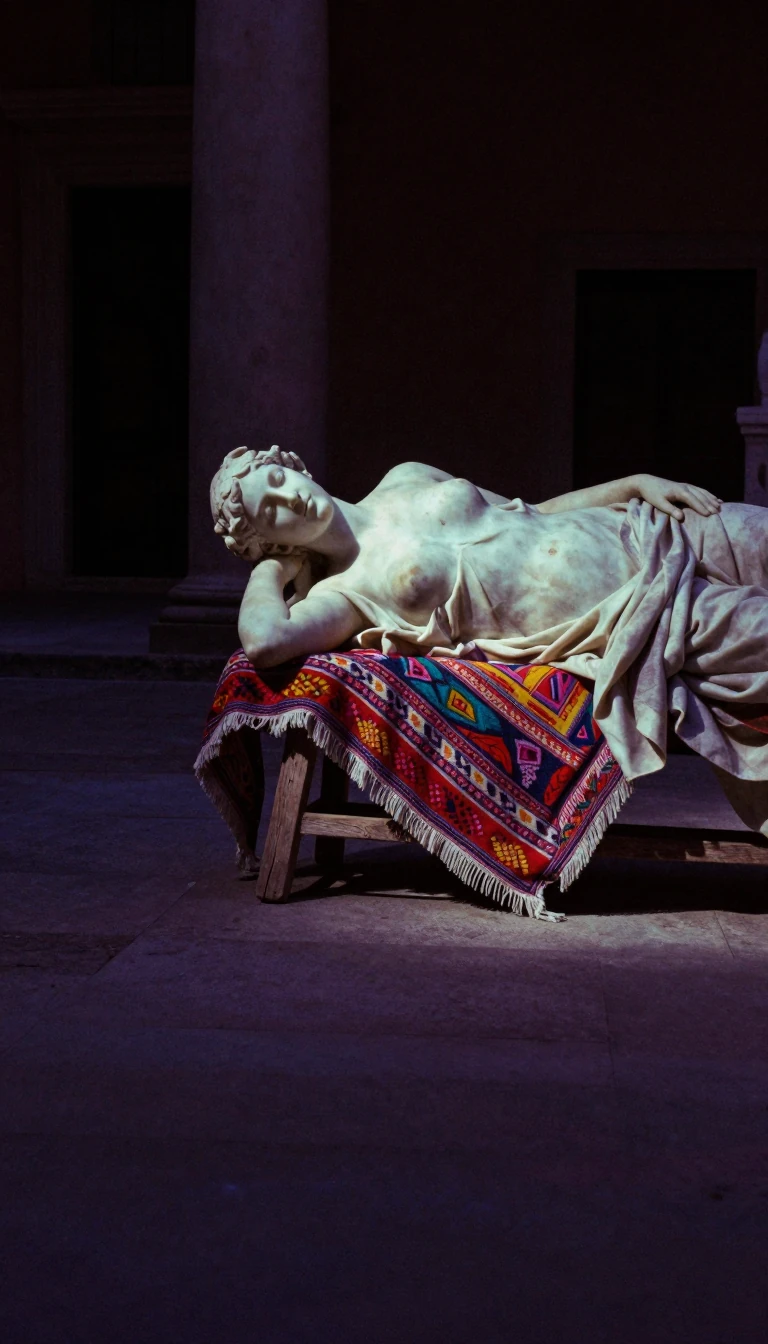
In short: Built for a wealthy alum merchant in the 16th century, the Palazzo Carrega-Cataldi stands as a testament to Genoese architectural evolution. From its Renaissance origins to the extravagant, gilded Rococo interiors added two centuries later, this UNESCO World Heritage site serves as a stunning headquarters for the city's Chamber of Commerce.
Commissioned by Tobia Pallavicino, a prominent alum merchant, the palace was constructed between 1558 and 1561. The design was led by Giovan Battista Castello, known as il Bergamasco, who collaborated with Bartolomeo Riccio, Domenico Solari, and Antonio Roderio. The original structure was a cubic block featuring two floors and two mezzanines, characterized by a Renaissance façade with ashlar cladding and Ionic pilasters. This project marked the first known work by Bergamasco in Genoa, reflecting a clear influence from the architect Galeazzo Alessi.
The building underwent a significant transformation in the 18th century after passing to the Carrega family. It was raised by one storey and expanded with two perpendicular arms and a rear section. This era introduced the palazzo's most opulent features, specifically the chapel and the Galleria Dorata, designed by Lorenzo De Ferrari. These spaces represent the pinnacle of late Genoese Baroque and Rococo taste, where mirrors, frescoes, and gilded stuccoes merge into a unified, scenographic experience intended to captivate the viewer.
The interior decoration remains a dialogue between these two distinct eras. The ground and main floor vestibules retain intact late Renaissance frescoes and delicate white stucco work by Bergamasco, featuring Olympian deities and musical figures. In contrast, the 18th-century Galleria Dorata, completed by De Ferrari between 1734 and 1744, focuses on the Aeneid. Through a series of medallions and lunettes, the cycle depicts key mythological moments, including the Council of the Gods and the flight from Troy. Today, the palazzo is recognized as one of the 42 Rolli di Genova palaces inscribed as a UNESCO World Heritage site since July 13, 2006.
Opens the Intellect+ feed with this card first. Swipe up for the next one.
Sources
- Summary by Intellect · source: Palazzo Carrega-Cataldi
- Also: Wikidata — Palazzo Carrega-Cataldi · CC0
To cite this card, link to https://intellectplus.co.uk/app/places-palazzo-carrega-cataldi.
How we source, check and correct cards: Editorial standards.
General information, not professional advice. Spotted an error? Flag the card or see corrections and complaints.
Intellect Plus is a visual educational discovery platform for exploring fascinating facts and ideas. Brain Food, Not Brain Rot. What is Intellect Plus?
Related
More in World Heritage Sites · More in Countries & Cities · Latest · A–Z · All topics
