A Genoese palace built on medieval foundations reveals the city's aristocratic power struggles
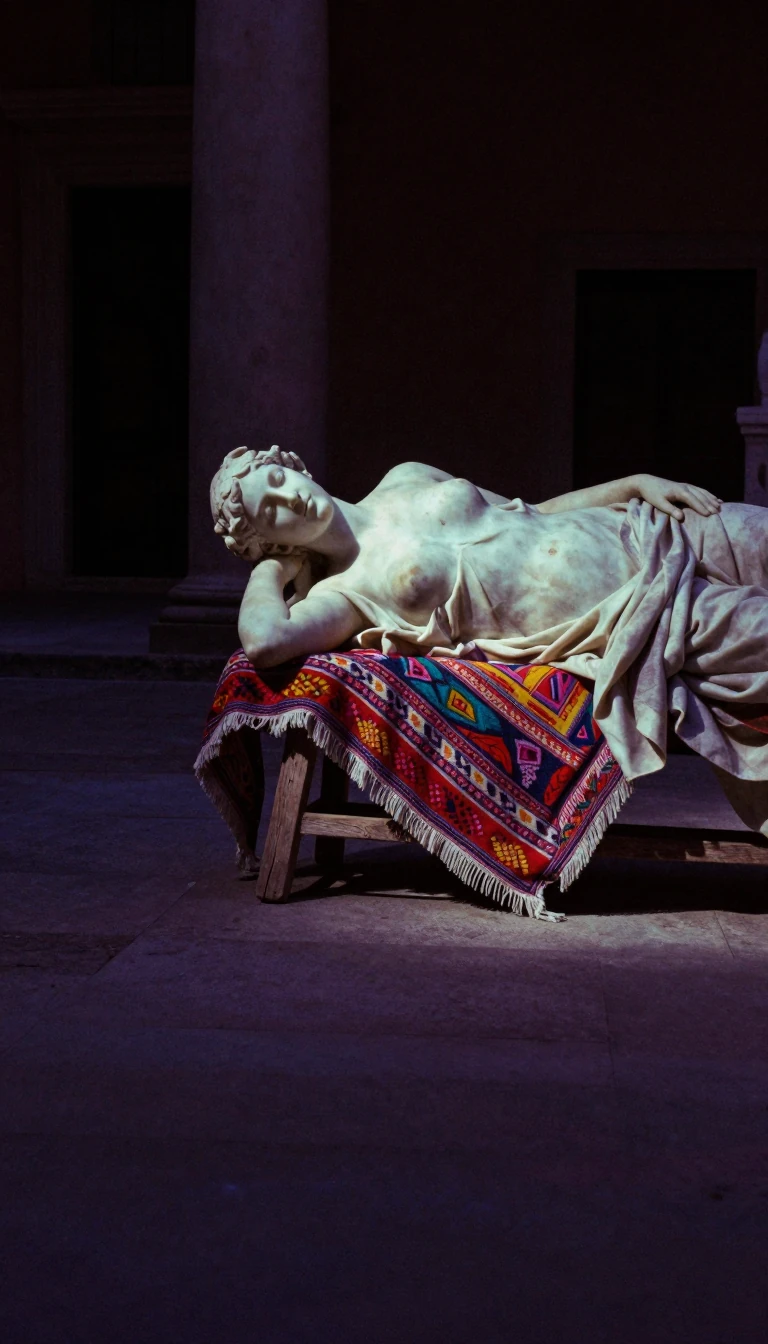
In short: In the heart of Genoa, the Palazzo Gio Battista Grimaldi stands as a testament to centuries of rivalry between two noble families. Once a site of intense conflict, this UNESCO World Heritage site evolved from medieval roots into a refined sixteenth-century residence, masking its older history behind elegant architectural features.
The history of the Palazzo Gio Battista Grimaldi is inextricably tied to Piazza San Luca, a location defined by the long-standing tension between the Grimaldi and Spinola families. Since 1188, this square housed the aristocratic church serving both lineages. The area underwent a significant transformation in 1332, following over fifty years of strife between the Guelph Grimaldi and Ghibelline Spinola factions. By 1414, records from the Gabella Processionum linked the specific block to the Spinola family, illustrating the shifting control of the urban space.
During the sixteenth century, the building achieved its current form as the medieval porticoes surrounding the square were enclosed. Gio Batta Grimaldi, a former senator of the Republic of Genoa, was the inaugural owner listed in the Genovese Rolls. However, the property’s lineage remained fluid; the rolls document the residence under Agostino Grimaldi in 1588 and 1599, followed by Paolo Spinola in 1614. This succession highlights the complex, overlapping interests of the Genoese nobility during the early modern period.
Architecturally, the palace is a hybrid of eras. While the main façade features seventeenth-century additions like corbelled balconies, masks, and a portal inscribed with the phrase PARVO BENE, it conceals older structural elements, including three Corinthian masonry columns on the second floor. The interior retains a sixteenth-century character, defined by an atrium and a loggiated staircase. At the rear, facing Vico della torre di San Luca, a sixteenth-century slate portal serves as a silent reminder of an earlier access point that predates the current structure, grounding the palace in its medieval origins.
On 13 July 2006, the palace was officially recognized as part of a group of forty-two Genoese residences designated as UNESCO World Heritage sites. These buildings, known as the Rolli di Genova, represent the pinnacle of aristocratic residential architecture in the city, reflecting the wealth and political influence of the families who shaped Genoa's historical center.
Opens the Intellect+ feed with this card first. Swipe up for the next one.
Sources
- Summary by Intellect · source: Palazzo Gio. Battista Grimaldi (Piazza San Luca)
To cite this card, link to https://intellectplus.co.uk/app/places-palazzo-gio-battista-grimaldi-piazza-san-luca.
How we source, check and correct cards: Editorial standards.
General information, not professional advice. Spotted an error? Flag the card or see corrections and complaints.
Intellect Plus is a visual educational discovery platform for exploring fascinating facts and ideas. Brain Food, Not Brain Rot. What is Intellect Plus?
Related
More in World Heritage Sites · More in Countries & Cities · Latest · A–Z · All topics
