Pattadakal: The Ancient Indian Coronation Site Where Northern and Southern Architectural Styles Collided
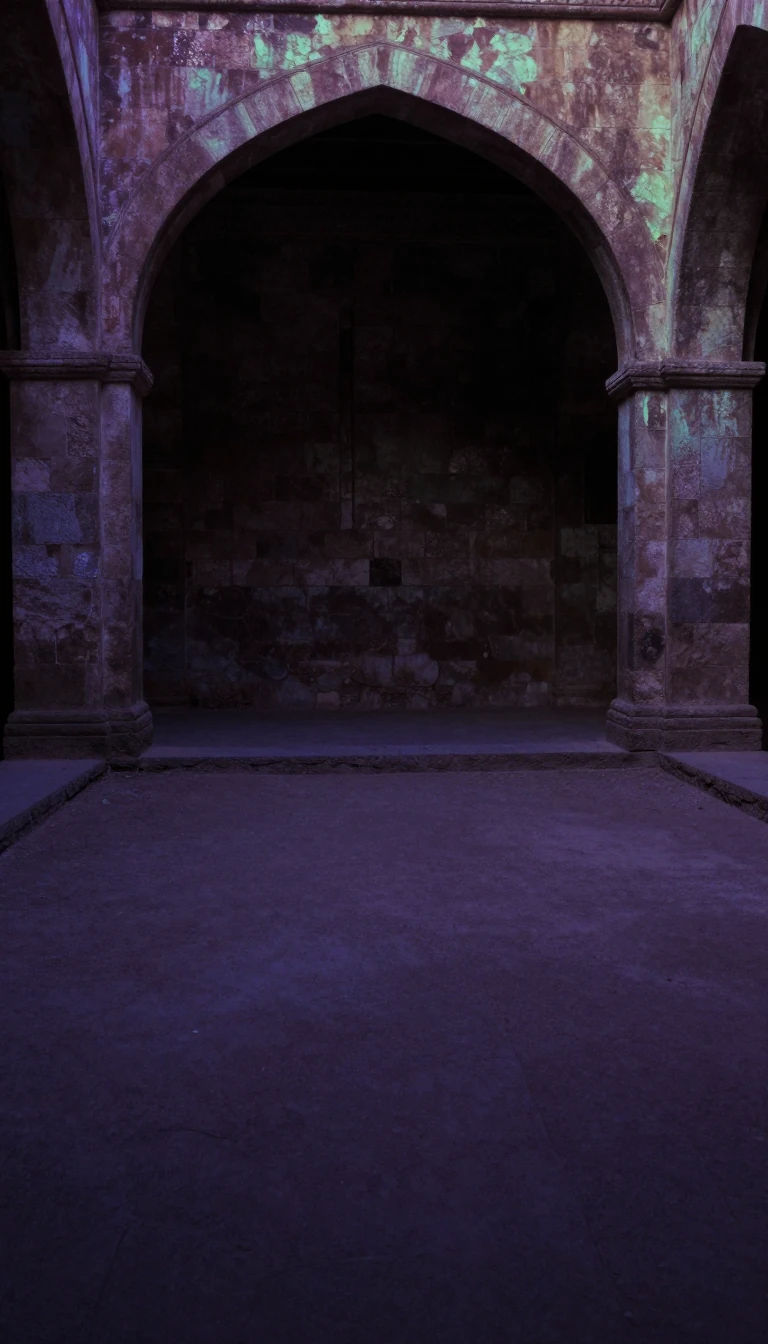
In short: Pattadakal was once the sacred coronation ground for the Chalukya dynasty. Today, this UNESCO World Heritage site stands as a rare architectural laboratory, where 7th and 8th-century artisans fused the distinct temple styles of northern and southern India into a harmonious, stone-carved legacy of religious and cultural innovation.
Located in northern Karnataka on the banks of the Malaprabha River, Pattadakal served as a vital cultural nexus during the 7th and 8th centuries. Its name, meaning 'stone of coronation,' reflects its historical role as the site where Chalukya kings, such as Vinayaditya, were crowned. The location was considered holy because the river flows northward here, a phenomenon known as Uttarvahini Ganga, which tradition associates with the path toward the Himalayas and Mount Kailasha.
The site is a masterclass in architectural experimentation. While the region was a hub for Shaivism, the temples feature a sophisticated blend of northern Rekha-Nagara-Prasada and southern Dravida-Vimana styles. The Virupaksha and Papanatha temples are particularly noted for this fusion. These structures are adorned with intricate friezes depicting Vedic and Puranic concepts, including scenes from the Ramayana and Mahabharata, illustrating the deep integration of Shaivism, Vaishnavism, and Shaktism in the theology of the era.
Beyond the 7th and 8th-century monuments, the area holds a much deeper history. Archaeological findings suggest the site was inhabited long before the Chalukyas, with evidence of Iron Age megalithic dolmens dating back to 1200 BCE. Following the Chalukya decline, the region saw centuries of shifting power, from the Rashtrakutas and the Vijayanagara Empire to the Sultanates and the Mughals. Despite these turbulent transitions, the monuments survived, offering a rare, preserved window into the early religious arts of India that were often lost elsewhere due to centuries of regional warfare.
Today, the site remains a protected monument managed by the Archaeological Survey of India. It stands as a testament to a period of immense wealth and intellectual exchange, where the patronage of kings and queens fostered a unique environment for scholarship and artistic development that continues to influence our understanding of medieval Indian history.
Opens the Intellect+ feed with this card first. Swipe up for the next one.
Sources
- Summary by Intellect · source: Pattadakal
To cite this card, link to https://intellectplus.co.uk/app/places-pattadakal.
How we source, check and correct cards: Editorial standards.
General information, not professional advice. Spotted an error? Flag the card or see corrections and complaints.
Intellect Plus is a visual educational discovery platform for exploring fascinating facts and ideas. Brain Food, Not Brain Rot. What is Intellect Plus?
Related
More in World Heritage Sites · More in Countries & Cities · Latest · A–Z · All topics
