How a freak Siberian freeze preserved an ancient nomadic civilization in ice
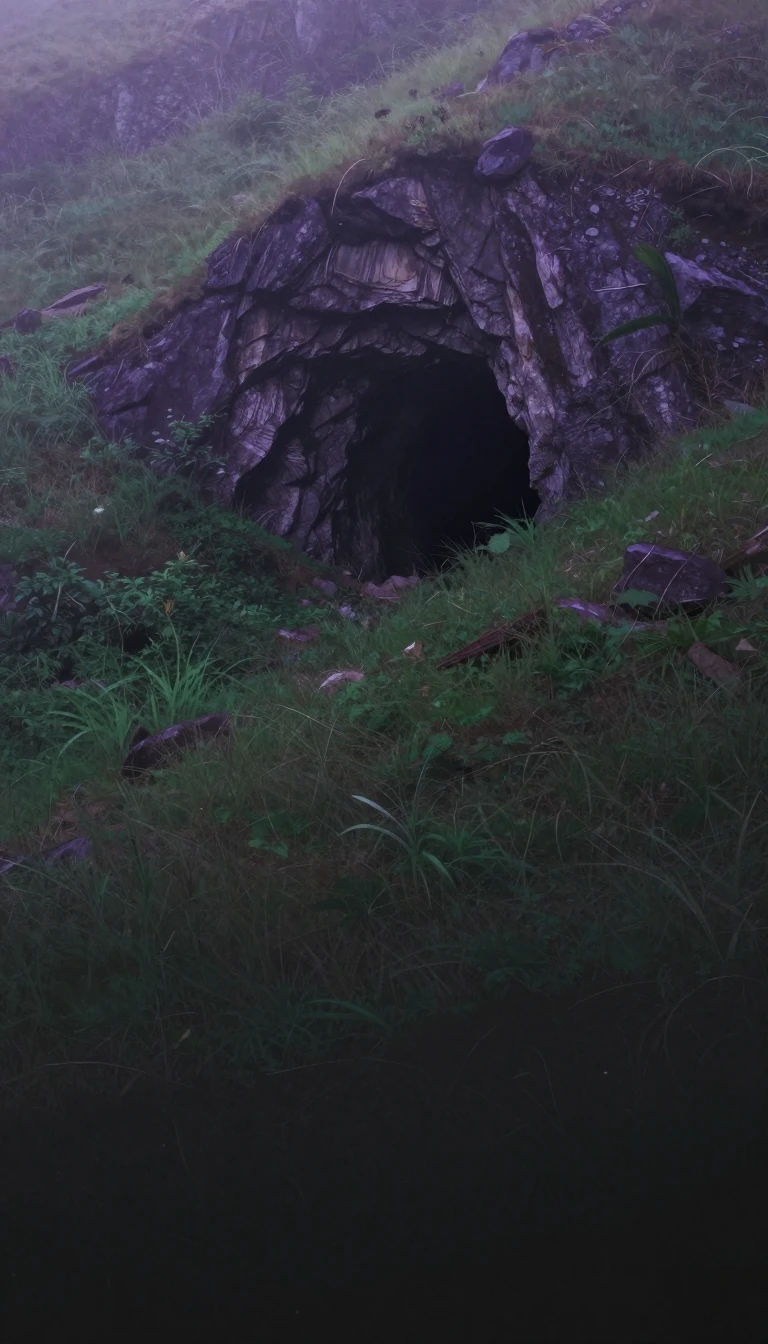
In short: In the Altai Mountains, a natural deep-freeze once sealed Iron Age tombs, trapping organic treasures for millennia. These Pazyryk burials offer a rare, vivid window into a nomadic culture of warriors, master artisans, and traders, revealing everything from intricate tattoos to the world's oldest known knotted-pile carpet.
The Pazyryk culture flourished between the 6th and 3rd centuries BC, spanning regions of modern-day Siberia, Kazakhstan, and Mongolia. Identified as an Iranic Saka nomadic society, they left behind no known permanent settlements, suggesting a life defined by constant movement. Their existence was supported by trade routes that connected them to distant markets, allowing for a sophisticated material culture that thrived until they were eventually displaced by the expanding Xiongnu.
What makes the Pazyryk uniquely accessible to modern researchers is a climatic anomaly. A protective layer of ice formed within their long barrows, or kurgans, isolating organic remains from external temperature shifts. This preservation allowed for the recovery of astonishing artifacts, including embroidered Chinese silk, Persian woven fabrics, and the oldest known woolen knotted-pile carpet. Beyond textiles, the burials contained horses adorned with elaborate felt masks and gold-studded trappings, alongside mummified individuals whose skin bore intricate animal-motif tattoos.
Genetic analysis has provided a complex picture of the Pazyryk population, revealing a blend of Western Steppe Herders and local Southern Siberian groups, with significant East Eurasian gene flow. Studies indicate they were not a monolithic group; rather, they were a diverse population with affinities to modern Uralic and Paleosiberian peoples. Maternal haplogroup data from remains found in the Altai and Inner Mongolia shows a nearly even split between East and West Eurasian lineages, underscoring the culture's role as a crossroads of ancient human migration and interaction.
The artistic legacy of the Pazyryk is dominated by animal imagery, particularly combat scenes between predators and prey. These depictions often feature a distinctive formal convention—muscles marked with dots and commas—that mirrors styles found in the ancient Middle East, including Assyrian and Achaemenian art. This stylistic overlap suggests that despite their nomadic, war-like lifestyle, the Pazyryk were deeply integrated into the broader aesthetic and cultural currents of the ancient world.
Opens the Intellect+ feed with this card first. Swipe up for the next one.
Sources
- Summary by Intellect · source: Pazyryk culture
- Also: Wikidata — Pazyryk culture · CC0
- Also: Wikidata — Pazyryk Culture in the 21st Century: Discoveries and Hypotheses · CC0
To cite this card, link to https://intellectplus.co.uk/app/places-pazyryk-culture.
How we source, check and correct cards: Editorial standards.
General information, not professional advice. Spotted an error? Flag the card or see corrections and complaints.
Intellect Plus is a visual educational discovery platform for exploring fascinating facts and ideas. Brain Food, Not Brain Rot. What is Intellect Plus?
Related
More in World Heritage Sites · More in Countries & Cities · Latest · A–Z · All topics
