A 2,400-year-old mummy has become a modern symbol of political and cultural identity.
In short: Discovered in a frozen Siberian tomb in 1993, the Siberian Ice Maiden remains a focal point for debates over archaeology, indigenous sovereignty, and national identity. While scientists study her remains to understand Iron Age nomadic life, local Altaians view her as a sacred ancestor and a powerful political metaphor.
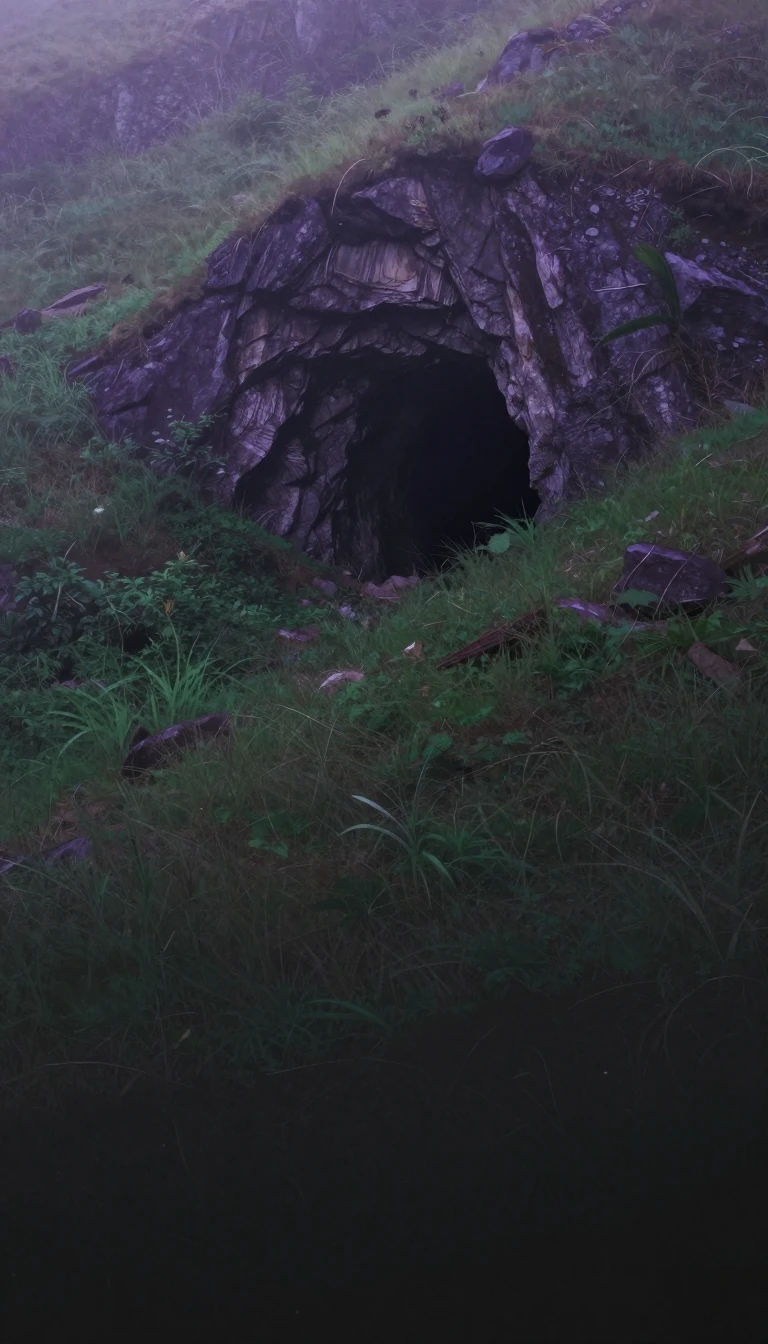
The Siberian Ice Maiden, a member of the Pazyryk culture, lived during the 5th century BCE. Her body was preserved for approximately 2,400 years within a frozen kurgan on the Ukok Plateau. The burial's unique conditions—created when water entered a robber's shaft and froze around her coffin—allowed for the survival of rare organic materials, including intricate tattoos, silk clothing, and wooden furnishings. These artifacts provide a detailed look at the life of nomadic peoples on the Eurasian Steppe, from her elaborate headdress to the coriander seeds found in her tomb.
Since her excavation by Natalia Polosmak in 1993, the mummy has sparked intense controversy. Initially, researchers misidentified coriander seeds as cannabis, leading to claims that she was a drug-using shaman. Later, genetic studies were used by Russian authorities to argue she was of European descent, a narrative that served to undermine the claims of indigenous Altaians who view her as their progenitor. These scientific findings have been criticized as products of political agendas aimed at suppressing regional autonomy.
The debate over her final resting place reflects deeper tensions between scientific inquiry and indigenous rights. After years of being held in Novosibirsk, she was returned to the Altai Republic in 2012. Today, she is housed at the A. V. Anokhin National Museum in Gorno-Altaisk, where her display is carefully managed. The museum balances scientific preservation with local tradition, restricting public viewings to specific lunar phases and keeping her body in a specialized sarcophagus to prevent further degradation.
For many Altaians, the Ice Maiden is more than an archaeological find; she is a symbol of their struggle for identity within the Russian Federation. As one local journalist noted, claiming the mummy is a way of claiming the land itself. While some call for her reburial, others see the museum as a necessary compromise, ensuring she remains in her homeland while allowing for future study.
Opens the Intellect+ feed with this card first. Swipe up for the next one.
Sources
- Summary by Intellect · source: Siberian Ice Maiden
To cite this card, link to https://intellectplus.co.uk/app/culture-siberian-ice-maiden.
How we source, check and correct cards: Editorial standards.
General information, not professional advice. Spotted an error? Flag the card or see corrections and complaints.
Intellect Plus is a visual educational discovery platform for exploring fascinating facts and ideas. Brain Food, Not Brain Rot. What is Intellect Plus?
Related
More in Peoples & civilisations · More in Cultures · Latest · A–Z · All topics
