Philadelphia International Airport: From a 1920s Training Field to a Global Aviation Hub
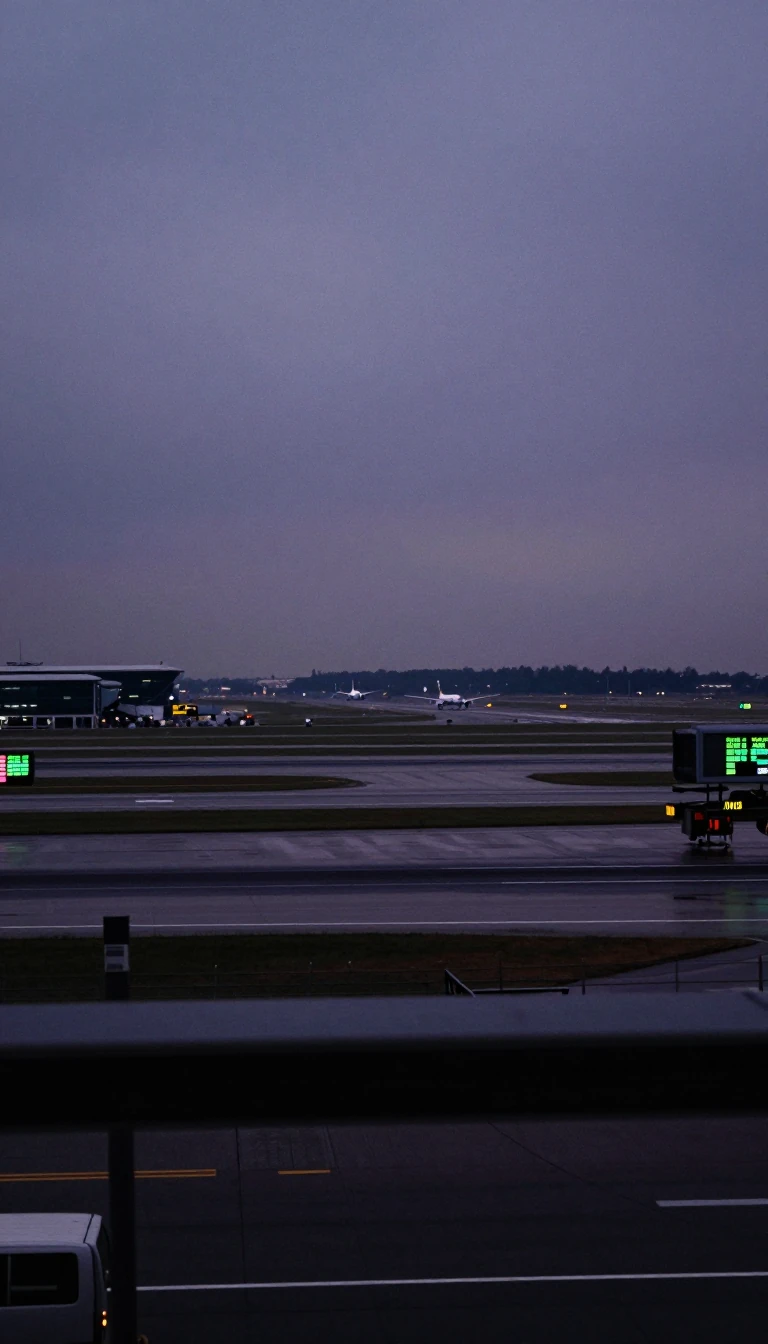
In short: Philadelphia International Airport serves as a vital gateway for millions, yet its origins lie in a modest training airfield on Hog Island. Today, it functions as a primary hub for American Airlines, connecting the Northeastern United States to over 130 global destinations through a complex, multi-terminal infrastructure.
The site now occupied by Philadelphia International Airport began its aviation life in 1925 as a training airfield for the Pennsylvania National Guard. By 1927, Charles Lindbergh dedicated the location as the Philadelphia Municipal Airport, though it lacked a proper terminal for years, forcing airlines to rely on New Jersey facilities. The airport's role shifted dramatically during World War II, when it served as a training base for the United States Army Air Forces and hosted the Philco Training School for radio operations. It was not until 1945 that the site was returned to civil control and rebranded as Philadelphia International Airport, marking the beginning of its transition into a major commercial gateway.
Modern operations at the airport are defined by its status as the fifth-largest hub for American Airlines. The facility spans 2,302 acres and features four runways, including the 12,000-foot Runway 9R/27L, which stands as the longest civil runway in Pennsylvania. This infrastructure supports nearly 500 daily departures. The airport's layout is divided into six terminals, with Terminal A-West serving as the primary international facility. This terminal, opened in 2003, features a sophisticated Federal Inspection Facility capable of processing thousands of passengers, complete with an atrium displaying the Declaration of Independence, underscoring the city's historical identity.
The airport's economic footprint is substantial, with a 2017 report estimating it generated $15.4 billion in economic activity and supported over 96,000 jobs. Recent investments have focused on modernization and accessibility, including a $15 million project to upgrade restroom facilities and significant federal funding for HVAC and electrical repairs. Connectivity is further enhanced by the SEPTA Airport Line, which provides direct rail access to Center City Philadelphia. Despite historical challenges—such as the controversial 1990s routing of I-95 access ramps—the airport continues to expand, balancing its role as a regional cargo hub with its function as a primary transatlantic gateway for the Northeastern United States.
Opens the Intellect+ feed with this card first. Swipe up for the next one.
Sources
- Summary by Intellect · source: Philadelphia International Airport
- Also: Wikidata — Philadelphia International Airport stations · CC0
To cite this card, link to https://intellectplus.co.uk/app/places-philadelphia-international-airport.
How we source, check and correct cards: Editorial standards.
General information, not professional advice. Spotted an error? Flag the card or see corrections and complaints.
Intellect Plus is a visual educational discovery platform for exploring fascinating facts and ideas. Brain Food, Not Brain Rot. What is Intellect Plus?
Related
More in Capital cities · More in Countries & Cities · Latest · A–Z · All topics
