How a Lancashire market town became a boomtown and a symbol of industrial struggle
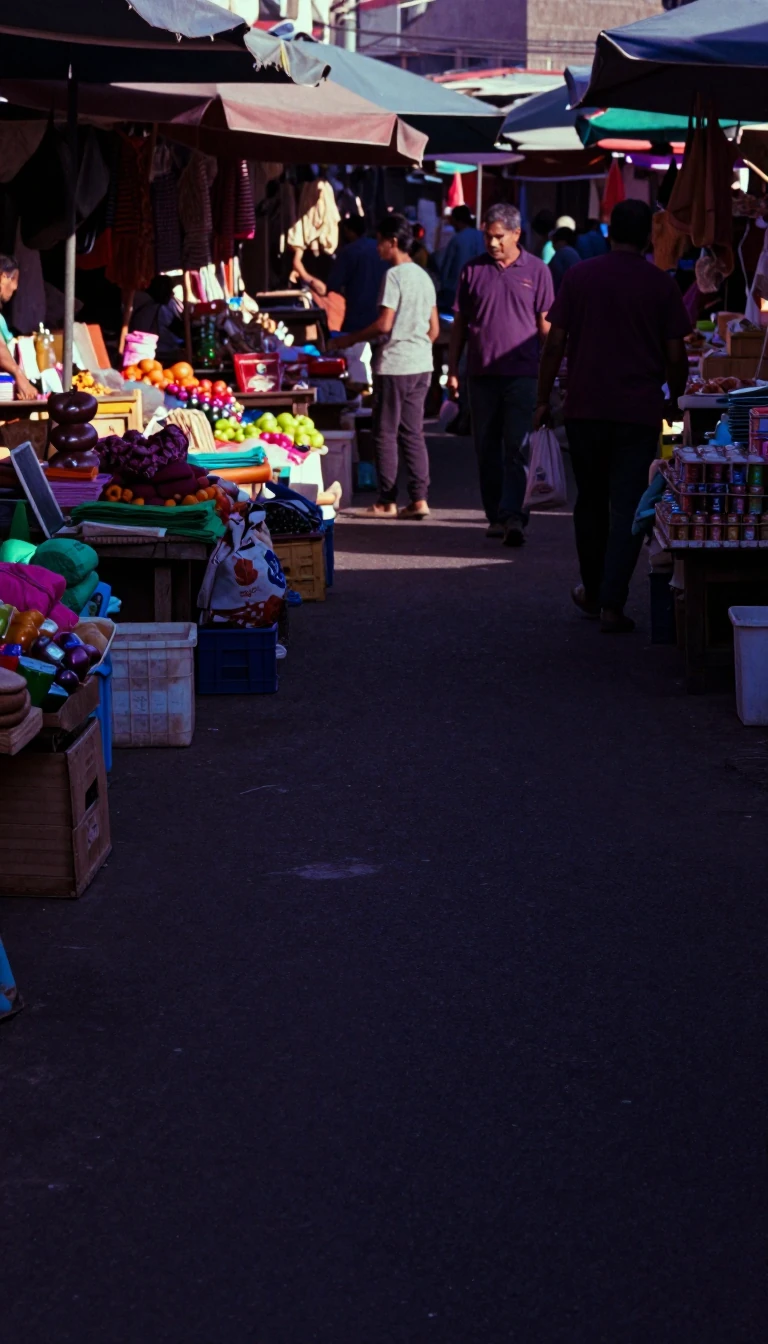
In short: Preston evolved from an ancient priest's settlement into a powerhouse of the Industrial Revolution. Once dubbed Proud Preston, the city has navigated centuries of transformation, from the birth of the teetotal movement to the decline of its textile mills, ultimately reinventing itself as a modern hub for education and defense.
Preston, situated on the River Ribble, has long held strategic importance. Its name, derived from the Old English for priest's settlement, appears in the 1086 Domesday Book as Prestune. By 1179, it was granted a Guild Merchant charter, establishing a unique civic tradition of holding a celebration every 20 years—a cycle that persists today, despite interruptions like the 1942 cancellation due to World War II.
The 19th century marked a dramatic shift as Preston became a textile manufacturing giant. Sir Richard Arkwright, the inventor of the spinning frame, was born here, and the town became a focal point for both industrial innovation and social unrest. During the 1842 strike, troops fired on demonstrators, killing four. Later, in 1854, Charles Dickens visited during a protracted cotton strike, an experience believed to have inspired his depiction of Coketown in the novel Hard Times. Karl Marx also visited in the 1850s, famously describing the town as the next St Petersburg.
The mid-20th century brought further upheaval. The textile sector entered terminal decline, culminating in the 1979 closure of the Courtaulds factory and the 1981 closure of the docks. Yet, Preston has consistently adapted. It was the site of Britain's first motorway, opened in 1958, and today it serves as the administrative center of Lancashire. With a population of 147,835 recorded in the 2021 census, the city now balances its post-industrial heritage with modern employment sectors like tertiary education and the defense industry.
Preston's history is also marked by its role in national conflicts, including the English Civil War and the Jacobite risings. In 1745, Bonnie Prince Charlie passed through the town, finding some local support during his march toward London. Today, the city remains a testament to the resilience of northern English towns, having survived economic shifts and urban redevelopment to maintain its status as a significant regional center.
Opens the Intellect+ feed with this card first. Swipe up for the next one.
Sources
- Summary by Intellect · source: Preston, Lancashire
- Also: Wikidata — Preston · CC0
To cite this card, link to https://intellectplus.co.uk/app/places-preston-lancashire.
How we source, check and correct cards: Editorial standards.
General information, not professional advice. Spotted an error? Flag the card or see corrections and complaints.
Intellect Plus is a visual educational discovery platform for exploring fascinating facts and ideas. Brain Food, Not Brain Rot. What is Intellect Plus?
Related
More in UK & Irish cities · More in Countries & Cities · Latest · A–Z · All topics
