Beneath Slovenia lies a subterranean labyrinth that once hosted its own electric post office
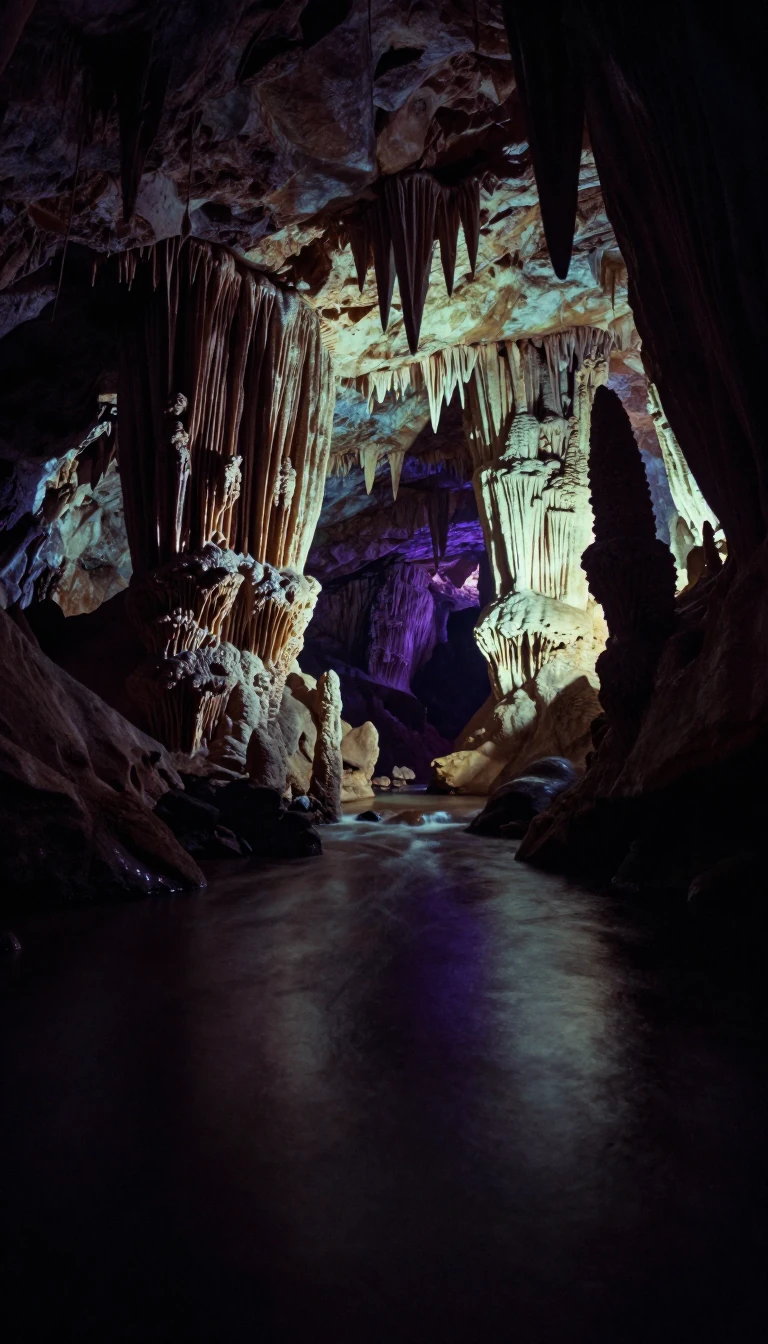
In short: Postojna Cave is a sprawling karst system carved by the Pivka River over millions of years. Beyond its natural stalactites and rare amphibians, this underground wonder has served as a military fuel depot, a site of forced labor, and a pioneering tourist destination featuring its own railway and electric lights.
The Postojna Cave system, stretching over 24 kilometers in southwestern Slovenia, is a masterpiece of geological erosion. While its natural history spans eons, its human history is equally complex. Though graffiti from 1213 hints at early human presence, the site gained formal scientific attention in the 17th century. By 1819, it had transitioned into a structured tourist attraction, eventually installing electric lighting in 1884—a technological feat that predated the grid in the nearby capital of Ljubljana.
The cave's history reflects the turbulent shifts of the 20th century. During the First World War, captive Russian soldiers were compelled to build a bridge across a massive interior chasm. Later, during the Second World War, German forces utilized the cavern to store nearly 1,000 barrels of aviation fuel. This cache became the site of a devastating 1944 incident when Slovene Partisans destroyed the supply, triggering a fire that raged for seven days, blackened the entrance, and caused significant damage to the cave's structure.
Today, the cave is a center for both tourism and biological research. It is the habitat of the olm, a unique troglodytic amphibian that gained international fame in 2016 when a female successfully hatched twenty-two offspring. Visitors can explore about 5 kilometers of the system, with a train covering the majority of the route. The site also hosts the EXPO Postojna Cave Karst, an extensive exhibition detailing the geological phenomena and the long history of human interaction with this subterranean world.
The future of the cave remains a subject of active exploration. Divers continue to map underwater sections, aiming to connect the current system with the nearby Planina Cave. If these passages are successfully linked, the resulting network would span between 31,000 and 35,000 meters, cementing its status as one of the longest and most significant cave systems in all of Europe.
Opens the Intellect+ feed with this card first. Swipe up for the next one.
Sources
- Summary by Intellect · source: Postojna Cave
- Also: Wikidata — Postojna Cave · CC0
To cite this card, link to https://intellectplus.co.uk/app/places-postojna-cave.
How we source, check and correct cards: Editorial standards.
General information, not professional advice. Spotted an error? Flag the card or see corrections and complaints.
Intellect Plus is a visual educational discovery platform for exploring fascinating facts and ideas. Brain Food, Not Brain Rot. What is Intellect Plus?
Related
More in Other terrestrial features · More in Countries & Cities · Latest · A–Z · All topics
