How a California city transformed from a Spanish land grant into a Latino hub
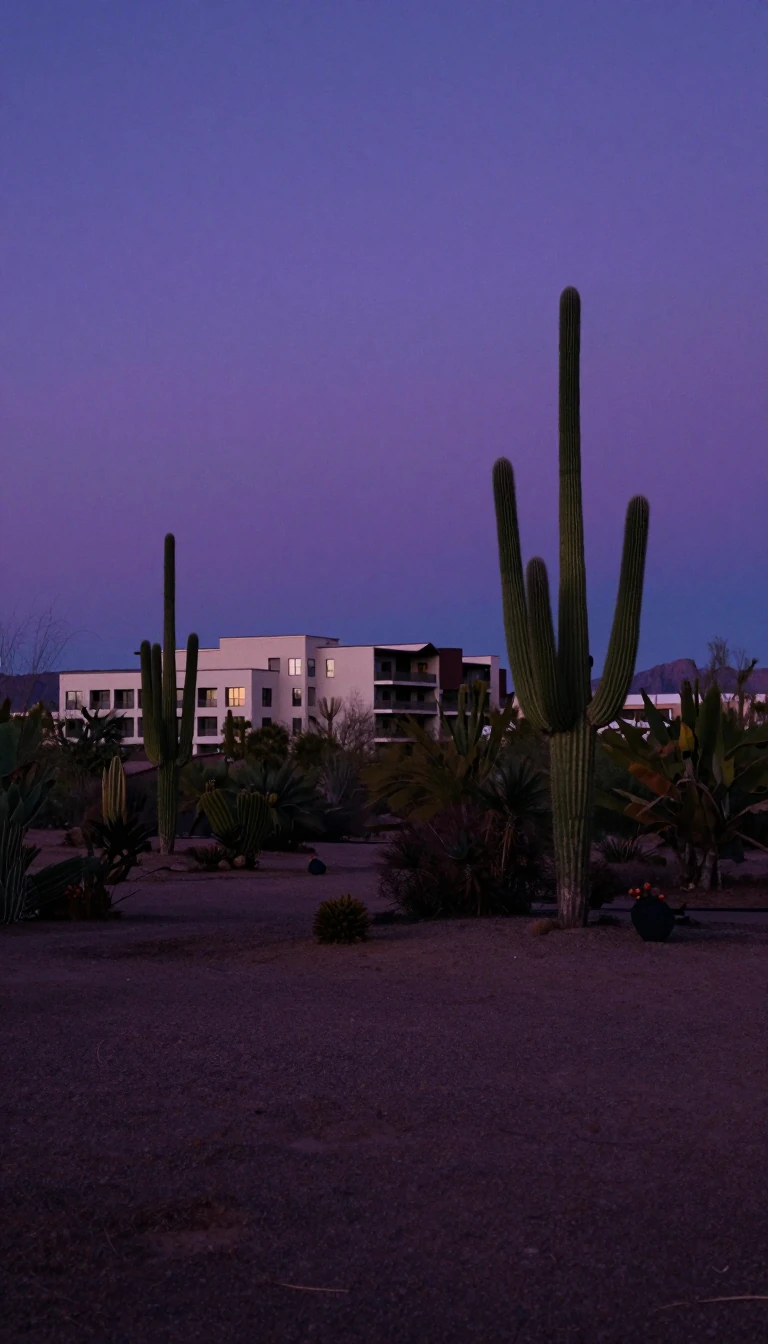
In short: Santa Ana began as a sprawling 1810 land grant for a Spanish sergeant. Today, it stands as a major cultural center where four-fifths of the population is Hispanic or Latino. This evolution reflects a complex history of shifting demographics, economic booms, and ongoing debates over gentrification and environmental justice.
The city's origins trace back to 1810, when the Spanish governor awarded land to José Antonio Yorba. This vast territory, known as Rancho Santiago de Santa Ana, eventually passed through various hands before William H. Spurgeon purchased the land and formally established the modern city in 1869. By 1889, Santa Ana became the seat of the newly formed Orange County, setting the stage for its growth as a regional economic hub.
Throughout the 20th century, the city experienced dramatic demographic shifts. While it was majority white in 1939, the post-World War II era saw significant changes. By the 1970s, white flight to surrounding suburbs coincided with an increasing Latino presence in the downtown area. This transition altered the city's character, with Fourth Street becoming a vibrant center for Latino businesses and culture, often referred to as La Cuatro.
In recent decades, Santa Ana has grappled with the pressures of gentrification. Since the 1990s, efforts to revitalize the downtown area have sometimes displaced long-standing, Spanish-speaking businesses in favor of arts projects and outside investment. Simultaneously, residents have organized to address environmental concerns, such as a 2020 study revealing that lower-income neighborhoods face significantly higher lead concentrations than wealthier areas of the city.
Today, Santa Ana remains a dense, diverse urban environment with a 2020 census population of 310,227. It serves as a key administrative and commercial center, housing the Orange County Civic Center and various corporate headquarters. As the city continues to develop, the tension between preserving its historic identity and managing modern growth remains a central theme for its residents.
Opens the Intellect+ feed with this card first. Swipe up for the next one.
Sources
- Summary by Intellect · source: Santa Ana, California
- Also: Wikidata — Santa Ana · CC0
- Also: Wikidata — 2020 COVID-19 pandemic in Santa Ana, California · CC0
To cite this card, link to https://intellectplus.co.uk/app/places-santa-ana-california.
How we source, check and correct cards: Editorial standards.
General information, not professional advice. Spotted an error? Flag the card or see corrections and complaints.
Intellect Plus is a visual educational discovery platform for exploring fascinating facts and ideas. Brain Food, Not Brain Rot. What is Intellect Plus?
Related
More in US cities · More in Countries & Cities · Latest · A–Z · All topics
