Why Japan's least populated prefecture holds the nation's highest concentration of centenarians
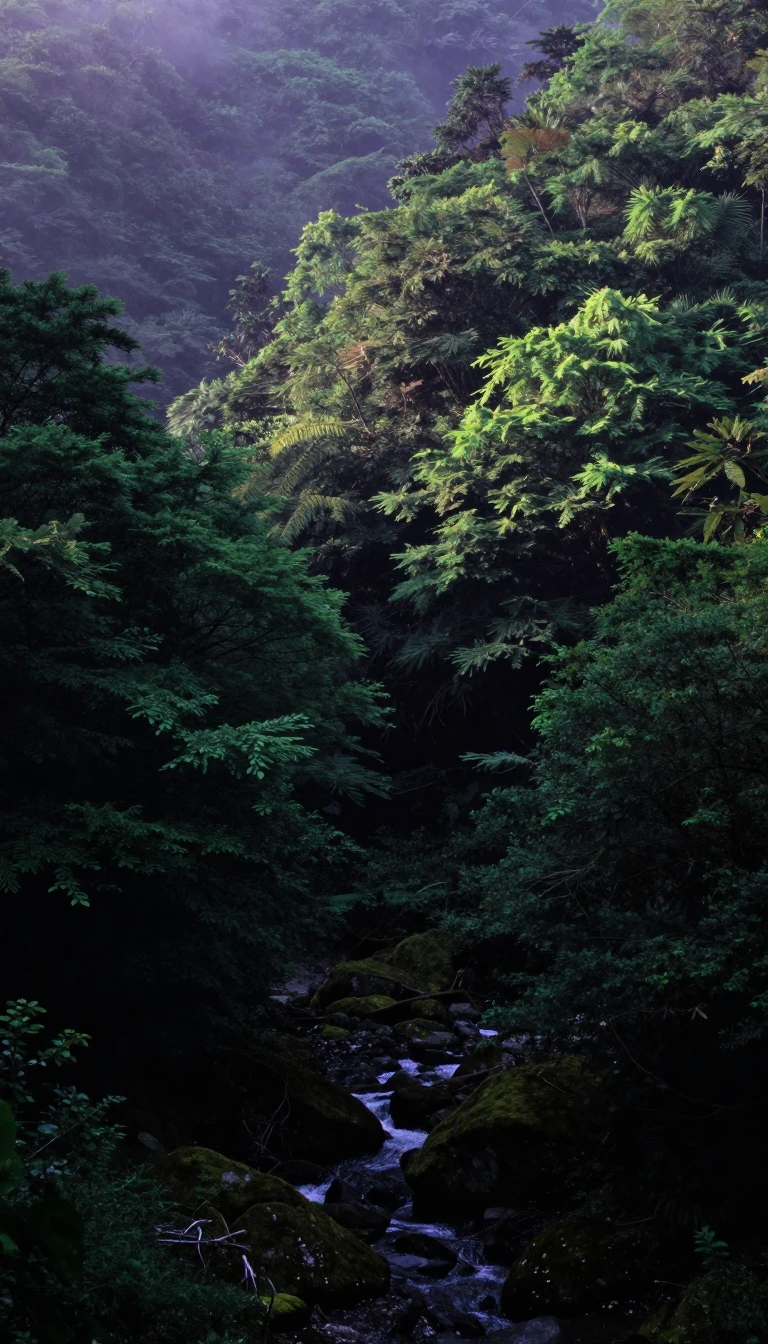
In short: Shimane Prefecture, tucked between the Sea of Japan and the Chūgoku Mountains, is a quiet outlier. As Japan's second-least populous prefecture, it defies modern urban density. Yet, this rugged landscape—home to ancient Shinto shrines and historic silver mines—boasts the highest ratio of centenarians in the entire country.
Shimane’s identity is deeply rooted in Japanese mythology, with the Izumo region serving as the legendary home of the Shinto god Ōkuninushi. Historically divided into the provinces of Izumo, Iwami, and Oki, the region became a strategic prize during the Muromachi period. The Iwami Ginzan Silver Mine, now a UNESCO World Heritage Site, was once one of the nation's most significant silver producers, sparking intense territorial battles between the Amago and Masuda clans. By 1600, following the Battle of Sekigahara, the region transitioned under the control of the Horio clan, who commissioned the construction of Matsue Castle.
The prefecture's geography dictates its modern life. The Chūgoku Mountains make inland habitation difficult, forcing over two-thirds of the population to cluster along the Sea of Japan coastline. This concentration is most pronounced in the Izumo-Matsue metropolitan area, which serves as the prefecture's economic and cultural hub. Despite its status as a capital, Matsue holds the smallest population of all 47 Japanese prefectural capitals. The region's climate is notably humid, with annual precipitation reaching 1,799 millimetres, significantly higher than that of Tokyo.
Demographically, Shimane is a study in longevity. In September 2010, the prefecture recorded 743 centenarians per million inhabitants, surpassing Okinawa to claim the highest ratio in Japan. This demographic trend contrasts with its economic structure, where the retail industry remains the largest employer, followed by manufacturing. While the prefecture has seen significant administrative consolidation since the early 2000s, it maintains a distinct cultural character, preserved through local dialects and traditions like the cultivation of mountain peonies, which have been grown on Daikonjima island since at least the 18th century.
Opens the Intellect+ feed with this card first. Swipe up for the next one.
Sources
- Summary by Intellect · source: Shimane Prefecture
- Also: Wikidata — Shimane Prefecture · CC0
- Also: Wikidata — flag of Shimane Prefecture · CC0
To cite this card, link to https://intellectplus.co.uk/app/places-shimane-prefecture.
How we source, check and correct cards: Editorial standards.
General information, not professional advice. Spotted an error? Flag the card or see corrections and complaints.
Intellect Plus is a visual educational discovery platform for exploring fascinating facts and ideas. Brain Food, Not Brain Rot. What is Intellect Plus?
Related
More in Regions and country subdivisions · More in Countries & Cities · Latest · A–Z · All topics
