Why is Iran's largest, most resource-rich province also its most impoverished and water-stressed?
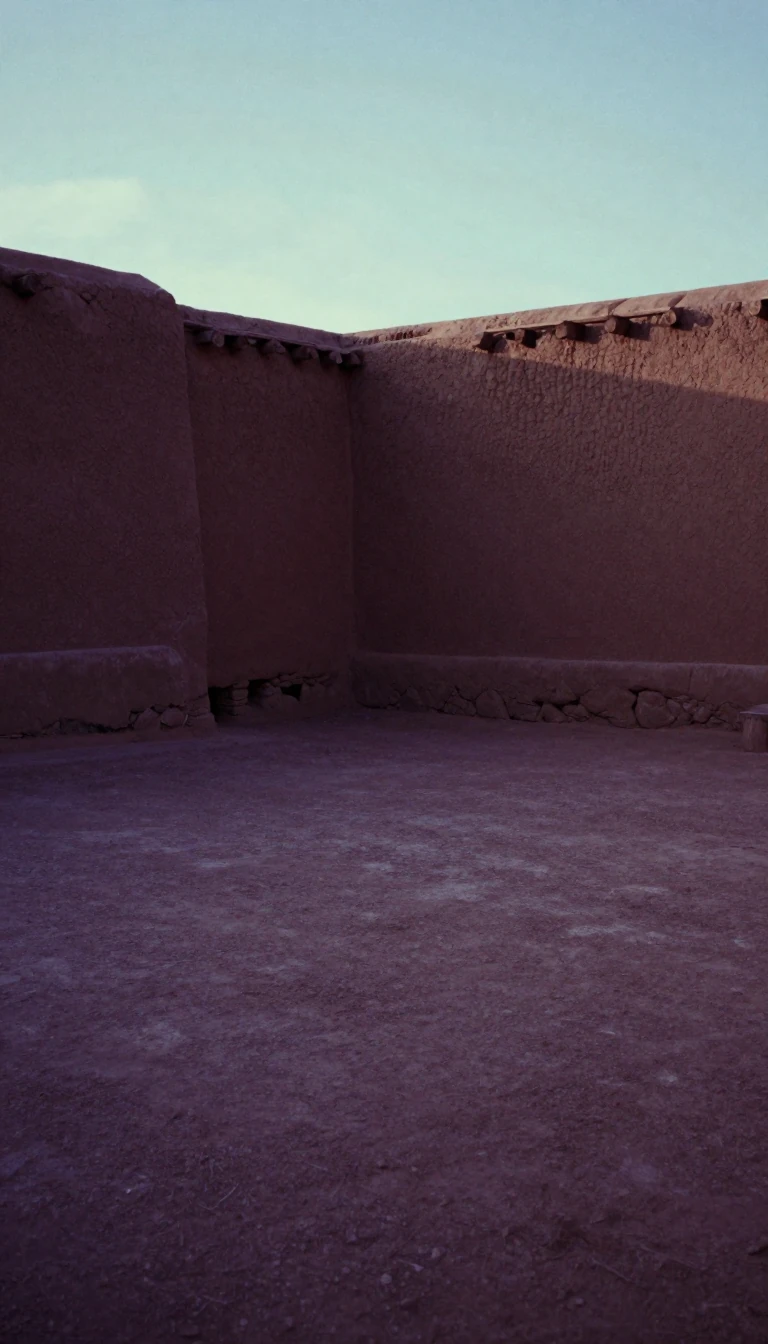
In short: Sistan and Baluchestan is a land of paradoxes. Bordering Afghanistan and Pakistan, this vast, mineral-rich territory holds the key to Iran's industrial future through the Port of Chabahar. Yet, it remains the country's poorest province, plagued by severe water shortages, extreme dust storms, and deep-seated socio-political marginalization.
Covering 180,726 square kilometers, Sistan and Baluchestan is Iran's second-largest province. Its history is a complex tapestry of ancient empires, from the Scythian tribes who gave Sistan its name in 128 BC to the Sassanian and Safavid dynasties. Today, the region is defined by its unique demographics: it is predominantly Baloch and Sunni Muslim, distinguishing it from the rest of the country. This cultural identity is reflected in its name, which evolved from the simple 'land of the Baloch' to its current dual designation after the 1979 revolution.
The province's geography is as harsh as it is strategic. It is one of Iran's driest regions, frequently battered by seasonal winds like the '120-day wind' of Sistan. In 2023, these winds reached 108 km/h, triggering massive dust events that sent over 1,100 people to hospitals in August alone. Despite this environmental volatility, the land is rich in chrome, copper, gold, and silver. The Chel Kooreh copper mine and the Khash cement factory represent recent efforts to industrialize, bolstered by the development of the Chabahar Free Trade-Industrial Zone.
However, systemic issues hinder progress. Water scarcity is a critical crisis, exacerbated by what critics describe as political favoritism and a lack of transparency in resource allocation. While the central government prioritizes water for industrial centers in provinces like Isfahan and Yazd, marginalized rural communities in Sistan and Baluchestan face ecological degradation. Reports suggest that water diversion projects and control by politically connected entities, including the Islamic Revolutionary Guard Corps, often favor large-scale enterprises over the needs of local farmers. This inequity fuels regional unrest and reinforces a cycle of poverty, leaving the province with an HDI score of 0.688—the lowest in Iran.
Opens the Intellect+ feed with this card first. Swipe up for the next one.
Sources
- Summary by Intellect · source: Sistan and Baluchestan province
To cite this card, link to https://intellectplus.co.uk/app/places-sistan-and-baluchestan-province.
How we source, check and correct cards: Editorial standards.
General information, not professional advice. Spotted an error? Flag the card or see corrections and complaints.
Intellect Plus is a visual educational discovery platform for exploring fascinating facts and ideas. Brain Food, Not Brain Rot. What is Intellect Plus?
Related
More in Regions and country subdivisions · More in Countries & Cities · Latest · A–Z · All topics
