How a medieval church town transformed into the oil capital of the North Sea
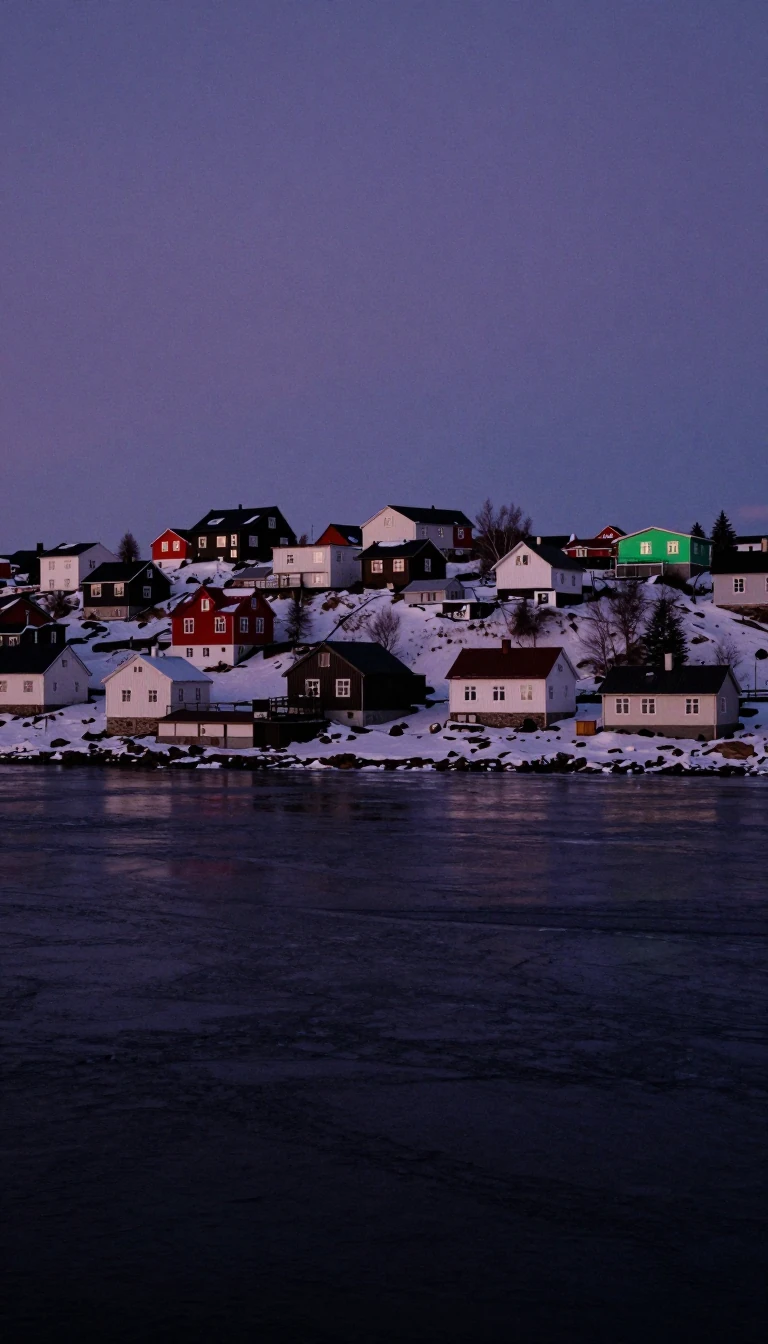
In short: Stavanger, Norway, traces its official roots to a 12th-century cathedral, yet its modern identity was forged in the late 20th century. Once a quiet hub for shipping and fish canning, the city reinvented itself as the epicenter of the Norwegian oil industry, creating a unique, prosperous, and highly internationalized urban landscape.
Stavanger’s origins are deeply tied to the church and the sea. Founded in 1125 around the completion of its cathedral, the city served as a vital administrative and market center during the Middle Ages. Its name, derived from the Old Norse 'Stafangr,' likely refers to the inlet of Vågen, which remains the heart of the city today. For centuries, the local economy relied on maritime trade, shipping, and the fish canning industry, though it faced significant decline following the Protestant Reformation in 1536 when church properties were confiscated.
The city’s trajectory shifted dramatically in 1969 with the discovery of oil in the North Sea. Chosen as the onshore base for the Norwegian petroleum sector, Stavanger experienced a period of rapid, hectic growth. This industrial boom attracted global investment and a diverse workforce, cementing its status as the 'Oil Capital of Norway.' Today, the city maintains a strong international profile, with over 22% of its population possessing an immigrant background. It is home to major energy entities like Equinor and the NATO Joint Warfare Centre, which further diversify its economic and social fabric.
Despite its industrial success, Stavanger retains a distinct small-town charm, characterized by protected 18th- and 19th-century wooden houses. The geography is equally striking, featuring a low-lying coastal landscape defined by fjords, lakes, and islands. While the city has faced historical challenges—including German occupation during World War II and various economic recessions—it consistently ranks as one of the most liveable locations for expatriates in Europe. Its ability to balance its rich cultural heritage with the demands of a high-tech energy economy remains the defining feature of this resilient Norwegian municipality.
Opens the Intellect+ feed with this card first. Swipe up for the next one.
Sources
- Summary by Intellect · source: Stavanger
- Also: Wikidata — Stavanger · CC0
- Also: Wikidata — Stavanger · CC0
To cite this card, link to https://intellectplus.co.uk/app/places-stavanger.
How we source, check and correct cards: Editorial standards.
General information, not professional advice. Spotted an error? Flag the card or see corrections and complaints.
Intellect Plus is a visual educational discovery platform for exploring fascinating facts and ideas. Brain Food, Not Brain Rot. What is Intellect Plus?
Related
More in Cities · More in Countries & Cities · Latest · A–Z · All topics
