Are these remote Japanese islands named after a distant sea or a mountain's shape?
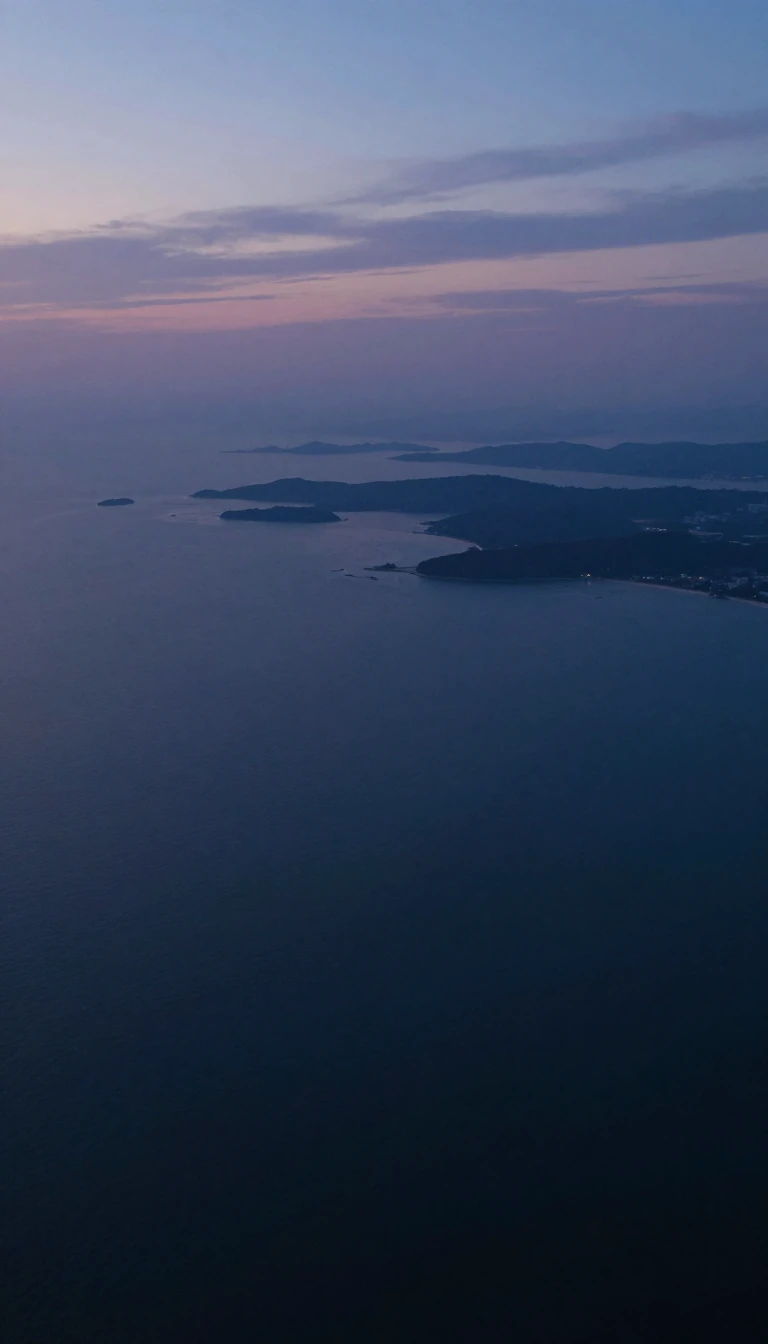
In short: Spanning 150 kilometres between Yakushima and Amami-Oshima, the Tokara Islands are a chain of twelve small islands with a mysterious etymology. While only seven are permanently inhabited, this archipelago holds a complex history of shifting administrative control, unique endemic wildlife, and a name that continues to spark scholarly debate.
The Tokara Islands form a 101.35 square kilometre archipelago within the Ryukyu chain. Their name is a subject of multiple theories: one suggests it derives from the Okinawan term 'tohara', meaning 'distant sea area', while another links it to the Ainu word 'tokap', meaning 'breast'. This second theory gains visual weight from the shape of Megamiyama, or 'Goddess Mountain', located on the southernmost inhabited island, Takarajima. A third, more literal theory posits that 'Tokara' is simply a corruption of 'takara', the Japanese word for treasure, as seen in the name of the island Takarajima itself.
Historical records of the islands are equally layered. An entry in the 'Shoku Nihongi' from 699 mentions an island called 'Tokan', which scholars often link to the Tokara group. However, an earlier reference in the 'Nihon Shoki' from 654 to a 'Tokara Country' actually describes a region in Central Asia, not these Japanese islands. By the 15th and 16th centuries, the islands fell under the influence of the Shimazu clan and the Ryukyu Kingdom, with control formally shifting to the Satsuma Domain in 1611 and receiving Tokugawa Shogunate confirmation in 1624.
The 20th century brought significant administrative upheaval. Following World War II, the United States military assumed control of the islands south of the 30th parallel on 2 February 1946. This split the archipelago, as the three northernmost islands remained under Japanese administration. The rest of the chain did not revert to Japan until 10 February 1952. Today, the islands are recognized as an Important Bird Area, supporting species like the Ryukyu green pigeon and the newly identified Tokara leaf-warbler, which was confirmed as a distinct species in 2026. The islands are also known for the Tokara horse, particularly on Takarajima.
Opens the Intellect+ feed with this card first. Swipe up for the next one.
Sources
- Summary by Intellect · source: Tokara Islands
- Also: Wikidata — Tokara Islands · CC0
To cite this card, link to https://intellectplus.co.uk/app/places-tokara-islands.
How we source, check and correct cards: Editorial standards.
General information, not professional advice. Spotted an error? Flag the card or see corrections and complaints.
Intellect Plus is a visual educational discovery platform for exploring fascinating facts and ideas. Brain Food, Not Brain Rot. What is Intellect Plus?
Related
More in Islands · More in Countries & Cities · Latest · A–Z · All topics
