How a humble wooden church became the spiritual heart of the Russian Orthodox Church.
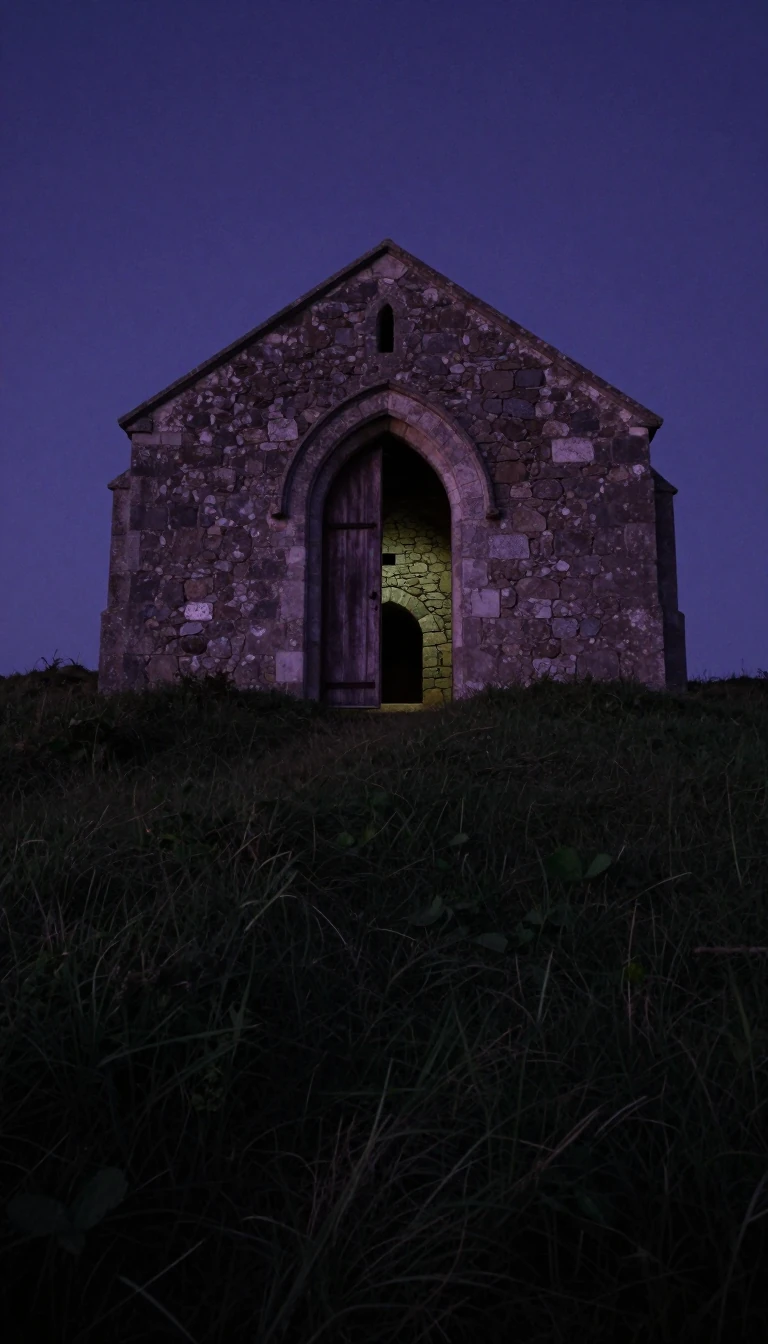
In short: Founded in 1337, the Trinity Lavra of St. Sergius evolved from a solitary forest retreat into Russia's most significant monastery. Over centuries, it served as a fortress against invaders, a royal baptismal site, and a hub for revolutionary technology, eventually earning its place as a UNESCO World Heritage site.
The monastery began when Sergius of Radonezh built a wooden church on Makovets Hill. By 1355, he introduced a monastic charter that prioritized communal infrastructure, including kitchens and refectories. This model proved so influential that it inspired the creation of over 400 other monasteries across Russia. The site's prestige grew rapidly; by 1422, Sergius was named the patron saint of the Russian state, and the first stone cathedral was erected to house his relics.
The Lavra’s architecture reflects the shifting tides of Russian history. In the 16th century, Ivan the Terrible commissioned the massive Assumption Cathedral, while later centuries saw the addition of baroque palaces and a towering 88-meter belltower. Its thick stone walls, constructed in the 1550s, proved their worth during a grueling 16-month siege by Polish-Lithuanian forces from 1608 to 1610. The monastery even served as a sanctuary for young Peter I, who sought refuge there twice during the late 17th century.
The 20th century brought profound disruption. Following the 1917 Revolution, the Soviet government closed the Lavra in 1920, repurposing its halls for civic functions—including radio engineering training—and destroying its massive bells in 1930. However, the site’s cultural significance endured. In 1945, Joseph Stalin allowed the Russian Orthodox Church to reclaim the monastery, and divine services resumed in 1946. Today, the Lavra remains a vital center of religious education, with its influence extending as far as a church on King George Island in the Antarctic.
Opens the Intellect+ feed with this card first. Swipe up for the next one.
Sources
- Summary by Intellect · source: Trinity Lavra of St. Sergius
- Also: Wikidata — Trinity Lavra of St. Sergius · CC0
To cite this card, link to https://intellectplus.co.uk/app/places-trinity-lavra-of-st-sergius.
How we source, check and correct cards: Editorial standards.
General information, not professional advice. Spotted an error? Flag the card or see corrections and complaints.
Intellect Plus is a visual educational discovery platform for exploring fascinating facts and ideas. Brain Food, Not Brain Rot. What is Intellect Plus?
Related
More in World Heritage Sites · More in Countries & Cities · Latest · A–Z · All topics
