Turan: A vast, shifting landscape between ancient myth and Central Asian geography
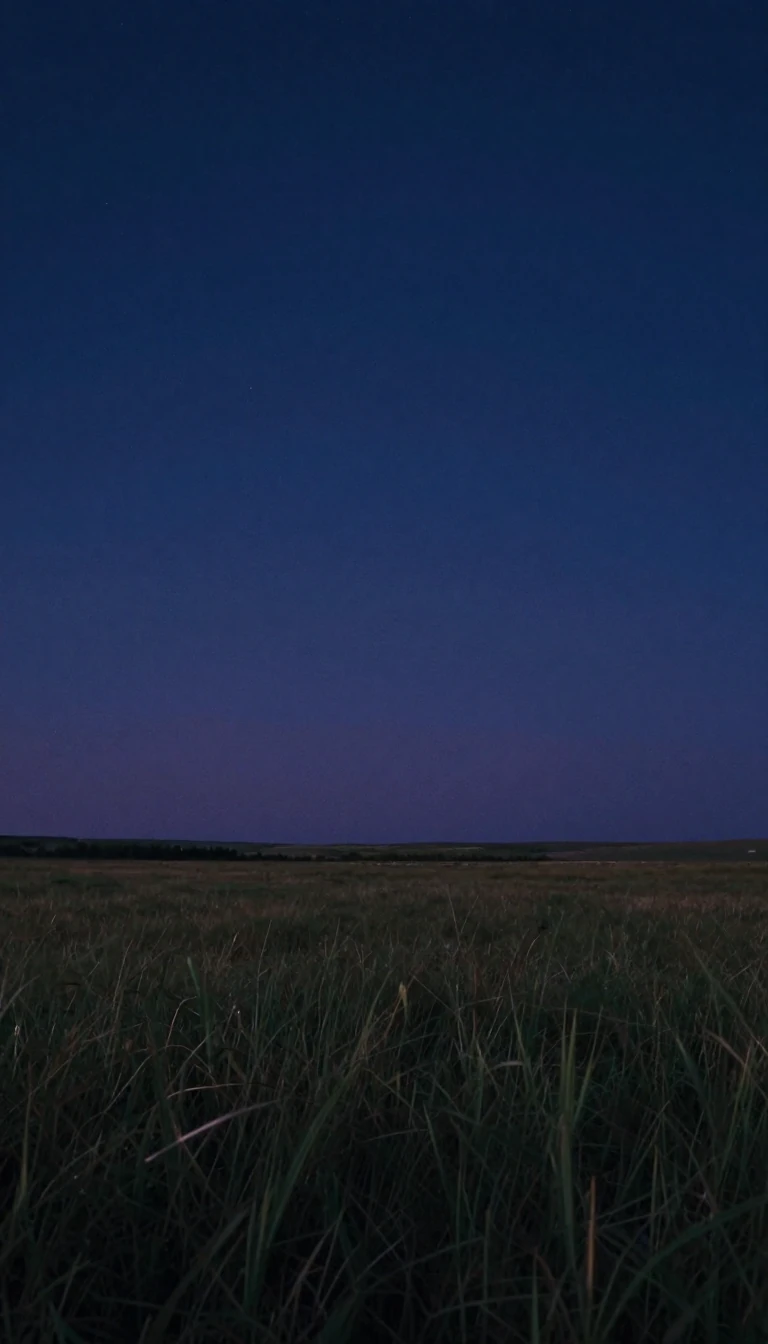
In short: Turan is both a physical lowland in Central Asia and a legendary realm of ancient conflict. While geographers define it as a sweeping, arid plain across Kazakhstan, Uzbekistan, and Turkmenistan, historians and myth-makers have long used the term to describe the mysterious, nomadic lands beyond the Oxus River.
Physically, the Turan Plain is a sprawling lowland defined by its harsh, arid environment. It is bordered by the Caspian Sea to the west, the Kopet-Dag Range to the south, and the Saryarqa uplands to the north. To the east, it meets the formidable outliers of the Tien Shan, Pamir, and Alay mountains. This region sits within the broader Eurasian steppe, a 5,000-mile belt of grassland that has historically facilitated the movement of horsemen and nomadic cultures across the continent.
The term Turan carries a weight far beyond its physical borders. In ancient Iranian mythology, as recorded in the Shahnameh, Turan was the domain of Tur, a son of the emperor Fereydun. It served as a mythical foil to Iran, representing the nomadic tribes of the northeast. While early Avestan texts from roughly 2,500 years ago identify the Tuiryas as a distinct Iranian tribe, later Islamic-era writers frequently conflated the region with Turkic peoples, creating a complex, often contradictory legacy that blended ethnic identity with geographical location.
Linguists remain divided on the etymology of the name. Some suggest it stems from an Indo-Iranian root meaning 'strong' or 'swordsman,' while others propose a connection to the word for 'dark,' contrasting the 'dark' nomadic civilization of the steppe with the 'illuminated' Zoroastrian culture of the settled Aryans. Regardless of the origin, the name has persisted through centuries, evolving from a specific tribal designation in the Avesta to a broad, symbolic label for the lands lying beyond the Oxus.
Today, the name Turan appears in diverse contexts, ranging from a surname to specific administrative quarters in modern Turkey. Yet, its historical significance remains tied to the interplay between the settled civilizations of the south and the nomadic populations of the northern plains, a relationship that defined the geopolitical landscape of Central Asia for millennia.
Opens the Intellect+ feed with this card first. Swipe up for the next one.
Sources
- Summary by Intellect · source: Turan Plain | Map, Location, & Facts | Britannica
- Also: Turan
- Also: Turan
- Also: Turan
To cite this card, link to https://intellectplus.co.uk/app/places-turan.
How we source, check and correct cards: Editorial standards.
General information, not professional advice. Spotted an error? Flag the card or see corrections and complaints.
Intellect Plus is a visual educational discovery platform for exploring fascinating facts and ideas. Brain Food, Not Brain Rot. What is Intellect Plus?
Related
More in World Heritage Sites · More in Countries & Cities · Latest · A–Z · All topics
