Why did Europe’s royals and poets flock to this fog-drenched mountain near Lisbon?
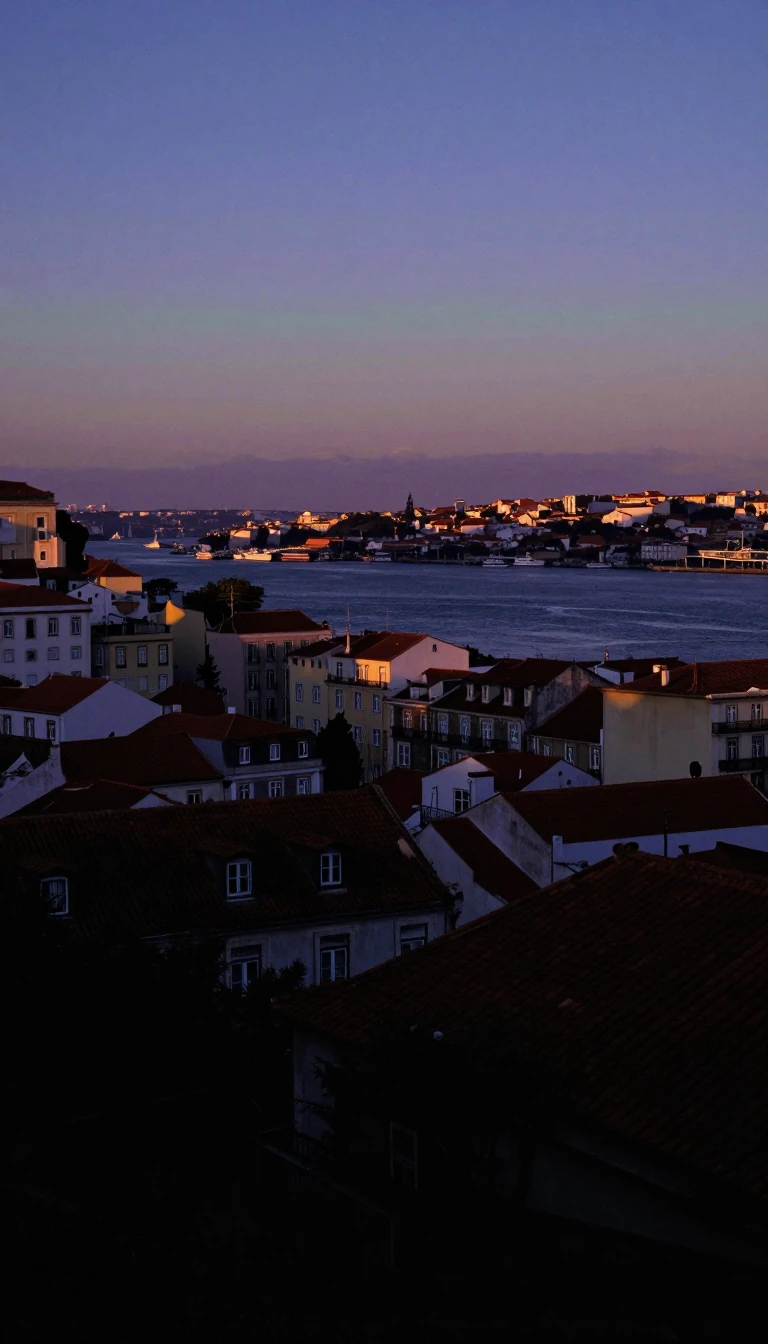
In short: Sintra, a UNESCO World Heritage site, has long captivated the imagination. From its Neolithic roots to its status as a 19th-century Romanticist playground, this Portuguese municipality blends ancient mystery with opulent architecture. Once a royal summer retreat, it remains a place where history, myth, and nature collide in the mist.
The region of Sintra, known to ancient writers as the 'sacred mountain' or the 'mountains of the moon,' has been a site of human activity since the early Paleolithic. By the 5th millennium BC, Neolithic settlers were leaving behind decorated ceramics and flint tools. Its strategic and fertile landscape eventually drew Roman interest, leading to the development of roads and funerary monuments connected to the nearby commercial hub of Olisipo, modern-day Lisbon. By the 11th century, the area became a focal point of the Reconquista, with the Moorish castle finally surrendering to Christian forces in 1147.
During the Middle Ages and the Renaissance, Sintra evolved into a vital royal residence. Kings like John I expanded the local estates, and the region became a sanctuary for the court, particularly during the summer months when the cool, fog-laden climate offered relief. The 16th century saw a cultural flourishing, with aristocrats building lavish farms and estates. However, the town also held a darker reputation; its dense, mysterious forests and macabre, gloomy spaces inspired legends that persisted for centuries, even as the town served as a refuge for those distancing themselves from court intrigue.
The 19th century marked a dramatic transformation driven by the Romantic movement. King-Consort Ferdinand II, a German-born royal, spearheaded the creation of the Pena Palace, an eclectic masterpiece that blended Neo-Gothic, Neo-Manueline, and Neo-Islamic styles. This period cemented Sintra’s identity as a 'glorious Eden' for poets like Lord Byron and Richard Strauss. By the turn of the 20th century, the town had become a playground for the ultra-wealthy, such as Carvalho Monteiro, who built elaborate revivalist estates. Today, the municipality stands as a dense, urbanized testament to centuries of shifting power, artistic obsession, and the enduring allure of its misty, mountainous terrain.
Opens the Intellect+ feed with this card first. Swipe up for the next one.
Sources
- Summary by Intellect · source: Sintra
- Also: Wikidata — Sintra · CC0
To cite this card, link to https://intellectplus.co.uk/app/places-sintra.
How we source, check and correct cards: Editorial standards.
General information, not professional advice. Spotted an error? Flag the card or see corrections and complaints.
Intellect Plus is a visual educational discovery platform for exploring fascinating facts and ideas. Brain Food, Not Brain Rot. What is Intellect Plus?
Related
More in World Heritage Sites · More in Countries & Cities · Latest · A–Z · All topics
