A remote Pacific atoll once served as a vital stepping stone for trans-Pacific aviation.
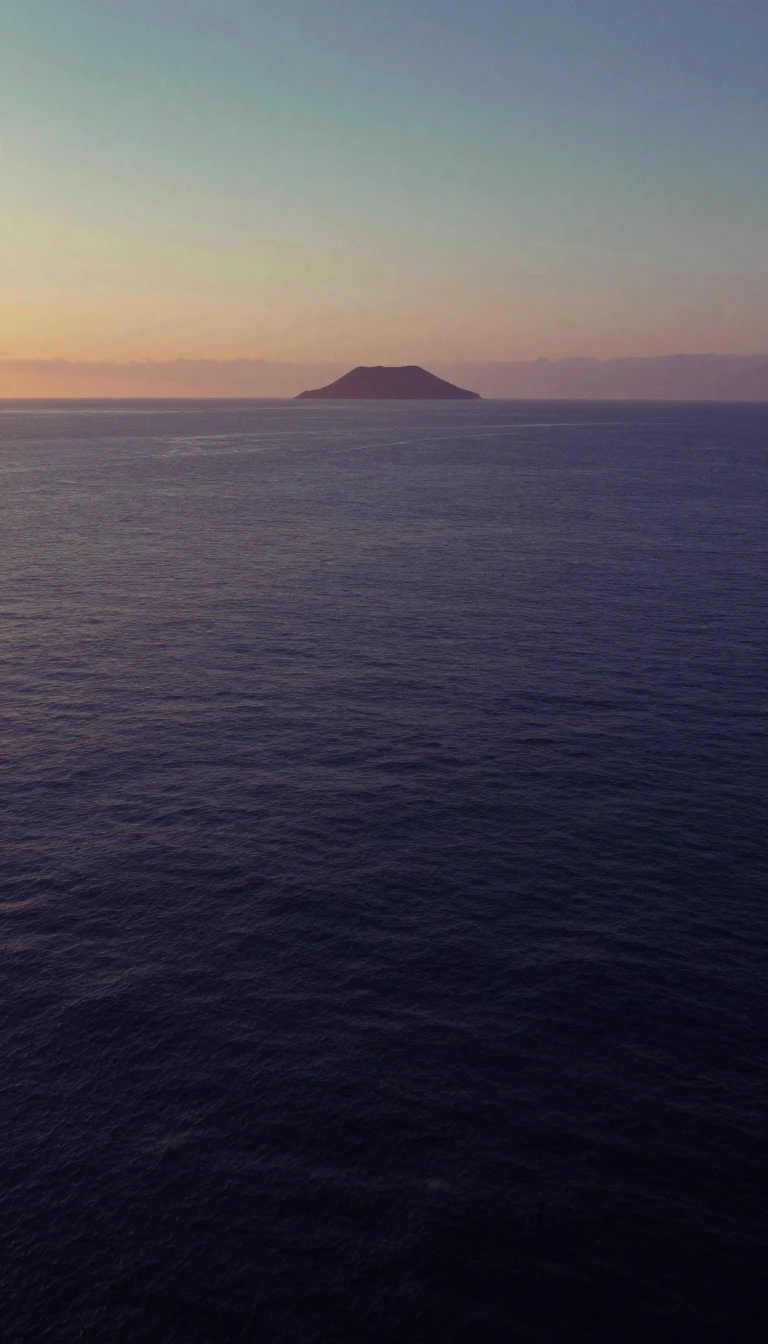
In short: Long before it became a military outpost, Wake Island was a nameless, waterless coral reef in the middle of the Pacific. Its transformation from a desolate, uninhabited speck into a strategic hub for Pan American Airways and the U.S. Navy remains a masterclass in mid-century geopolitical maneuvering and engineering.
Wake Island, a coral atoll comprising three islets—Wake, Wilkes, and Peale—is an unincorporated U.S. territory in the Micronesia subregion. Though prehistoric Austronesian mariners may have visited, the first recorded European discovery occurred in 1568 by Spanish explorer Álvaro de Mendaña de Neira. For centuries, the island remained largely ignored due to its lack of fresh water and hazardous, low-lying terrain. It was not until 1899 that the United States formally claimed the atoll, though it saw little development for decades.
The island's modern history began in the 1930s when Pan American Airways president Juan Trippe sought to establish a trans-Pacific passenger route. Finding a gap in his maps between Midway and Guam, Trippe identified Wake as the perfect refueling stop. Recognizing the potential for projecting American air power, the U.S. Navy facilitated this commercial project. In 1935, the freighter SS North Haven arrived, and workers used five tons of dynamite to clear coral heads from the lagoon, creating a landing area for flying boats. To transport materials across the island, they even constructed a narrow-gauge railway.
The atoll's strategic value was underscored by its role in the Pacific Theatre of World War II, during which it was occupied by Japan from 1941 to 1945. Following the war, it served various roles, including as a processing center for Vietnamese refugees in 1975. Today, while claimed by the Marshall Islands, it remains under U.S. administration. Though it has no permanent residents, approximately 300 military personnel and contractors typically occupy the island at any given time, maintaining a presence on the same remote reef that once baffled early explorers.
Opens the Intellect+ feed with this card first. Swipe up for the next one.
Sources
- Summary by Intellect · source: Wake Island
- Also: Wikidata — Wake Island · CC0
- Also: Wikidata — Wake Island · CC0
To cite this card, link to https://intellectplus.co.uk/app/places-wake-island.
How we source, check and correct cards: Editorial standards.
General information, not professional advice. Spotted an error? Flag the card or see corrections and complaints.
Intellect Plus is a visual educational discovery platform for exploring fascinating facts and ideas. Brain Food, Not Brain Rot. What is Intellect Plus?
Related
More in Countries and other regions · More in Countries & Cities · Latest · A–Z · All topics
