Why these nine wooden churches in Slovakia are architectural marvels of the Carpathians
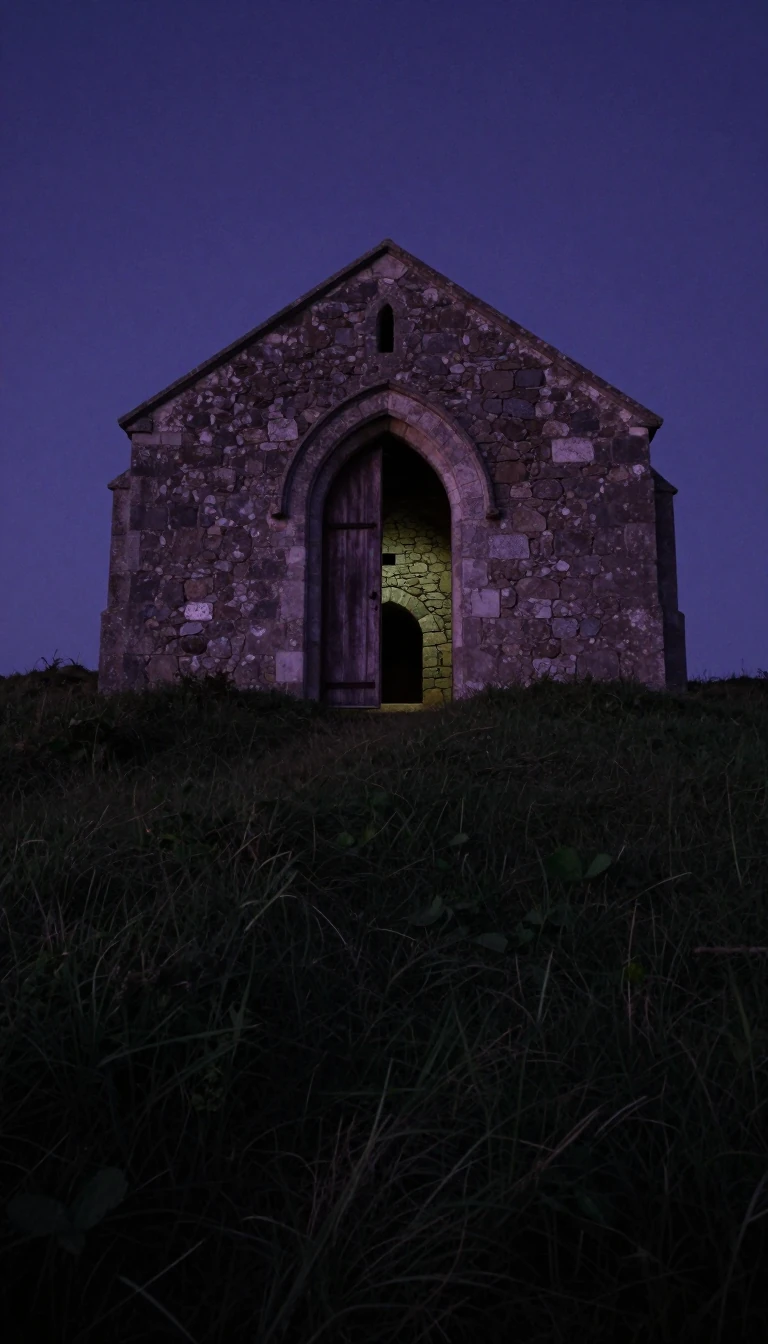
In short: Hidden within the Slovak Carpathians lie nine remarkable wooden churches, UNESCO-protected relics of religious history. Built between the 16th and 18th centuries, these structures range from Gothic Roman Catholic chapels to restrictive Protestant articular churches, showcasing extraordinary craftsmanship, from nail-free construction to complex, heaven-depicting interiors that defy their humble materials.
The Carpathian Wooden Churches site encompasses nine distinct religious buildings across Slovakia, representing a unique intersection of Roman Catholic, Protestant, and Greek Catholic traditions. The oldest, the Roman Catholic Church of St. Francis of Assisi in Hervartov, dates to the second half of the 15th century. Unlike most wooden structures, it features a stone floor and a tall, narrow Gothic design, adorned with 17th-century wall paintings depicting biblical scenes like Adam and Eve.
The Protestant articular churches offer a fascinating look at historical constraints. Under the 1681 Congress of Sopron, these buildings had to be completed within one year, contain no metal parts like nails, and lack towers. Despite these severe limitations, they achieved architectural grandeur. The church in Kežmarok, built in 1717, is the largest, capable of holding over 1,500 worshippers. Its interior is a masterpiece of wood carving and ceiling paintings, featuring the Holy Trinity and the 12 apostles, funded by campaigns that reached as far as Denmark and Sweden.
The Greek Catholic churches, such as the 1658 Church of St. Nicholas in Bodružal, showcase a distinct folk Baroque style. These buildings often feature three towers topped with onion domes and iron crosses, reflecting a design philosophy that integrates the church with its surrounding cemetery and belfry. While some original elements like 18th-century iconostasis remain, these sites have endured significant challenges, including the loss of bells during World War I and subsequent modern restorations to preserve their structural integrity for future generations.
Beyond the nine UNESCO-listed sites, approximately 50 other wooden churches remain scattered across Slovakia, primarily in the northern and eastern Prešov Region. These buildings serve as a testament to the vernacular architecture of the Carpathian mountain area, blending local craftsmanship with broader European artistic influences. Whether through the Scandinavian-inspired motifs found in Hronsek or the geometric, peasant-house-like roof of Ruská Bystrá, these structures remain vital cultural monuments.
Opens the Intellect+ feed with this card first. Swipe up for the next one.
Sources
- Summary by Intellect · source: Wooden churches of the Slovak Carpathians
To cite this card, link to https://intellectplus.co.uk/app/places-wooden-churches-of-the-slovak-carpathians.
How we source, check and correct cards: Editorial standards.
General information, not professional advice. Spotted an error? Flag the card or see corrections and complaints.
Intellect Plus is a visual educational discovery platform for exploring fascinating facts and ideas. Brain Food, Not Brain Rot. What is Intellect Plus?
Related
More in World Heritage Sites · More in Countries & Cities · Latest · A–Z · All topics
