Biological membranes are not static walls but dynamic, fluid mosaics essential for life
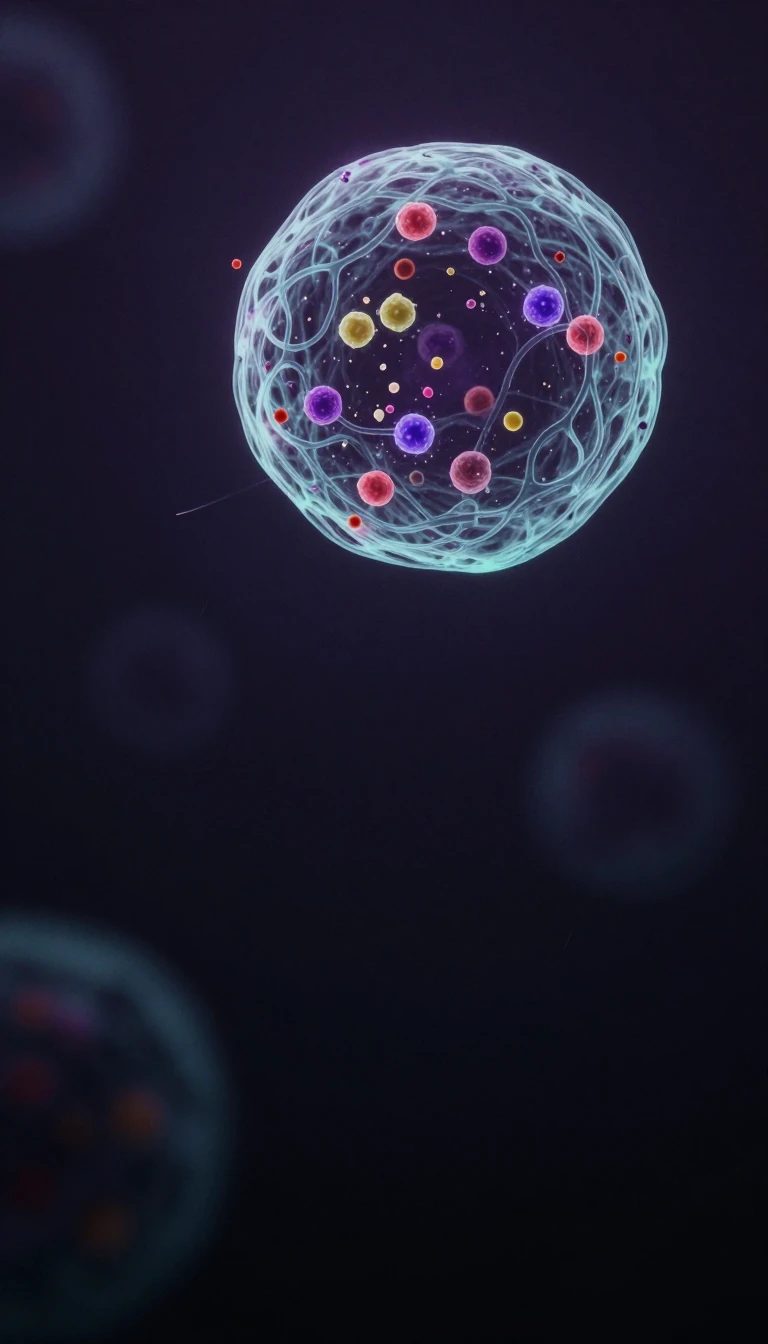
In short: Far from being simple boundaries, cell membranes are sophisticated, self-assembling structures that act as the gatekeepers of life. They manage everything from energy production to cellular communication, using a fluid, shifting architecture that allows proteins and lipids to dance across the surface, constantly adapting to the needs of the cell.
At the heart of every cell lies a phospholipid bilayer, a double-layered sheet that forms spontaneously in water. This structure relies on the amphipathic nature of its lipids: each molecule features a water-loving head and a water-hating tail. When placed in an aqueous environment, these molecules naturally orient themselves so that their hydrophobic tails are tucked safely away from water, while their hydrophilic heads face outward. This simple physical interaction creates the stable, self-sealing barrier that defines the boundary of all living cells.
The modern understanding of this structure, established by Jonathan Singer and Garth Nicolson in 1972, is known as the fluid mosaic model. It describes a membrane that is far from rigid. Instead, it behaves like a light oil, where lipids and proteins drift laterally across the surface. This fluidity is crucial; for instance, a phospholipid can traverse the entire perimeter of a red blood cell in about 12 seconds. This constant motion allows the cell to remain dynamic, facilitating rapid signaling and the transport of essential molecules.
Beyond mere structure, membranes are highly organized. They are often asymmetric, with specific proteins and sugars distributed unevenly between the inner and outer leaflets. Sugars attached to the surface act as biological markers, such as those determining blood types, while specialized proteins act as channels or pumps to regulate the flow of ions and nutrients. This complexity ensures that the cell can maintain distinct internal environments, separate incompatible metabolic processes, and respond precisely to external chemical and electrical signals.
Opens the Intellect+ feed with this card first. Swipe up for the next one.
Sources
- Summary by Intellect · source: Biological membranes
- Also: Biological membrane
To cite this card, link to https://intellectplus.co.uk/app/science-biological-membrane.
How we source, check and correct cards: Editorial standards.
General information, not professional advice. Spotted an error? Flag the card or see corrections and complaints.
Intellect Plus is a visual educational discovery platform for exploring fascinating facts and ideas. Brain Food, Not Brain Rot. What is Intellect Plus?
Related
More in Cell biology · More in Science · Latest · A–Z · All topics
