How cells talk: the intricate biochemical cascades that keep your body alive
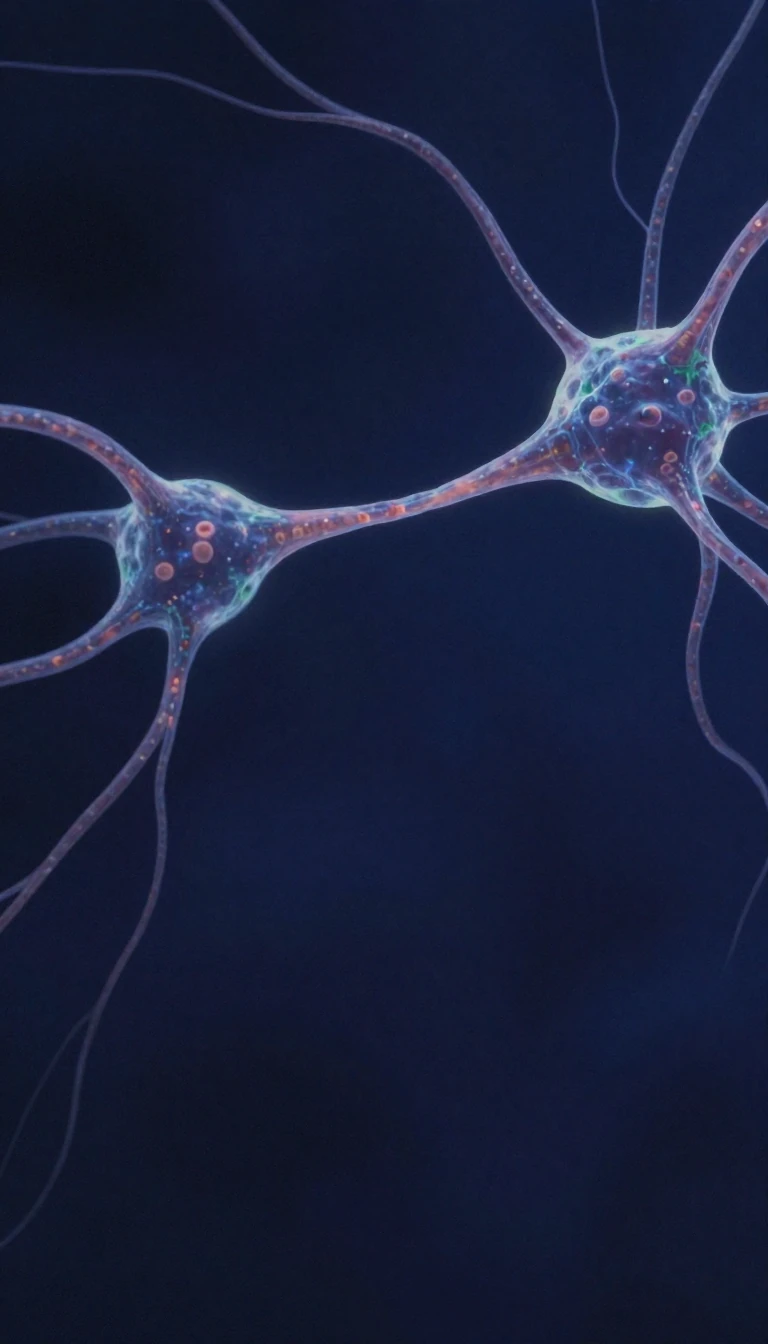
In short: Your cells are not isolated units; they are part of a massive, silent conversation. Through biochemical cascades, cells detect external cues, amplify signals, and trigger precise responses—from blood clotting to embryonic development. This complex signaling machinery is the hidden language that coordinates life within every multicellular organism.
At the heart of cellular communication lies the biochemical cascade, a series of chemical reactions triggered by a stimulus. This process begins when a primary messenger—such as a hormone—binds to a receptor on or inside the cell. This interaction initiates a signal transduction pathway, where second messengers like calcium ions or cAMP amplify the signal, ensuring the cell responds effectively to its environment. These pathways are generally linear, with one event triggering the next, though some systems operate in circular or complex networks.
Signal transduction occurs through two primary mechanisms. In one, lipophilic messengers cross the cell membrane to activate nuclear receptors that directly regulate gene expression. In the other, messengers bind to transmembrane receptors, such as G protein-coupled receptors or tyrosine kinase receptors. These receptors then activate effector enzymes or ion channels. The resulting cellular response is either fast, involving the modification of existing proteins through phosphorylation, or slower, requiring the transcription of new genes to produce specific proteins.
The importance of these cascades is best seen in their precision. For instance, the coagulation cascade of secondary hemostasis uses a series of zymogens and co-factors to form fibrin, essential for stopping bleeding. Similarly, the sonic hedgehog pathway regulates embryonic development in all bilaterians, while the Wnt signaling pathway is critical for bone formation. When these pathways malfunction, the consequences can be severe, leading to conditions like basal cell carcinoma or various cancers. Consequently, pharmaceutical companies are actively developing drugs to target these specific signaling proteins.
Beyond development and repair, these cascades manage daily survival. Neurons rely on purinergic signaling to detect action potentials and maintain homeostasis, while the Nrf2/ARE pathway protects them from oxidative stress. Even blood cells participate; erythrocytes sense oxygen tension and release ATP to modulate vascular caliber. By understanding these intricate networks, researchers hope to uncover new therapeutic targets for chronic neurodegenerative conditions like Alzheimer's, Parkinson's, and Huntington's disease.
Opens the Intellect+ feed with this card first. Swipe up for the next one.
Sources
- Summary by Intellect · source: Biochemical cascade
To cite this card, link to https://intellectplus.co.uk/app/science-biochemical-cascade.
How we source, check and correct cards: Editorial standards.
General information, not professional advice. Spotted an error? Flag the card or see corrections and complaints.
Intellect Plus is a visual educational discovery platform for exploring fascinating facts and ideas. Brain Food, Not Brain Rot. What is Intellect Plus?
Related
More in Cell biology · More in Science · Latest · A–Z · All topics
