The rigid armor of bacteria is a unique polymer found nowhere else in nature.
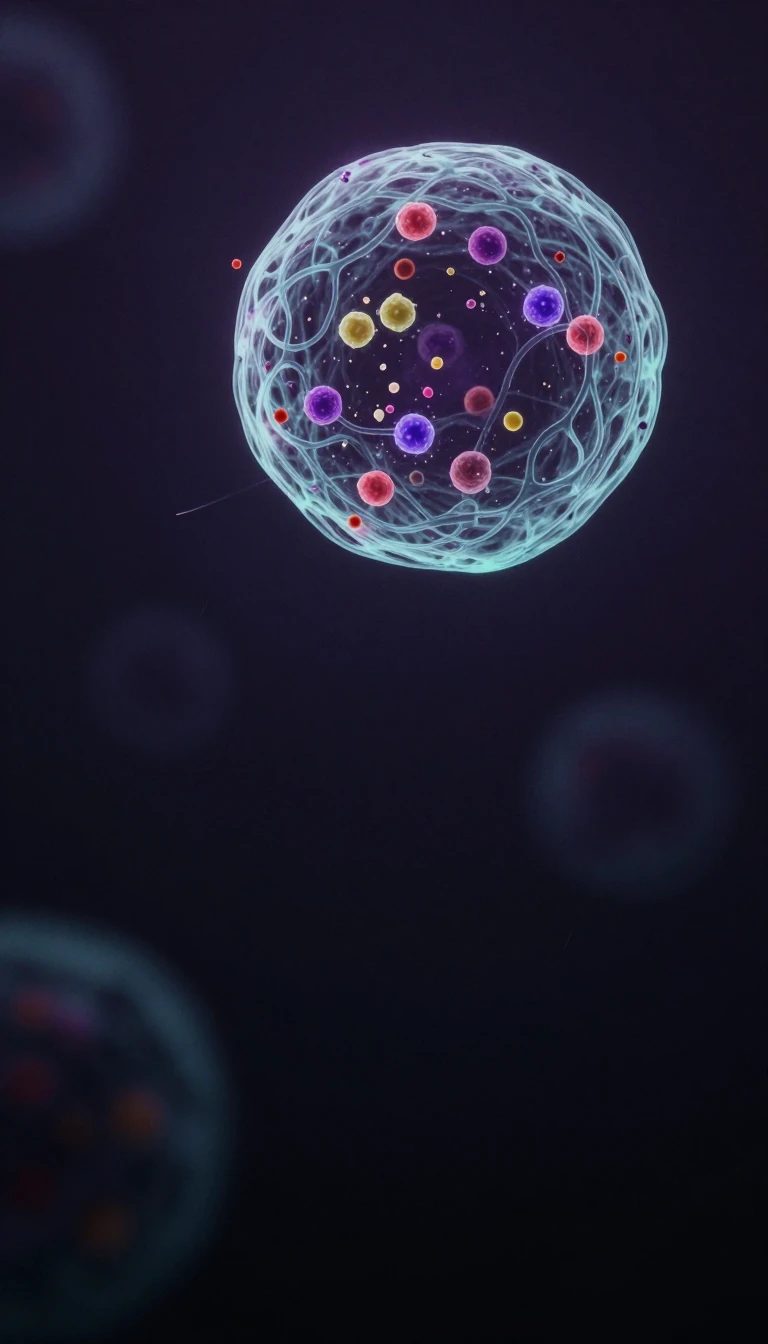
In short: Bacteria survive extreme environments thanks to a specialized cell wall made of peptidoglycan. This structural mesh, absent in human cells, acts as both a protective shield and a target for life-saving antibiotics. Understanding this unique architecture reveals why some bacteria thrive in jet fuel while others succumb to simple enzymes.
At the heart of every bacterial cell lies the cytoplasmic membrane, a triple-layered structure of lipids and proteins that regulates nutrient flow and energy generation. Beyond this membrane sits the cell wall, a rigid structure defined by peptidoglycan, or murein. This long-chain polymer consists of alternating sugar residues—n-acetylglucosamine and n-acetyl muramic acid—linked by peptide bridges. This specific composition is unique to bacteria, excluding organisms like Mycoplasma that lack a wall entirely.
Bacterial walls are broadly categorized by their reaction to Gram staining. Gram-positive bacteria feature a thick, meshlike peptidoglycan layer interwoven with teichoic acids. In contrast, gram-negative bacteria possess a much thinner peptidoglycan layer protected by a complex outer membrane. This outer layer, composed of phospholipids and lipopolysaccharides, acts as a formidable barrier against harsh chemicals, dyes, and detergents. These lipopolysaccharides, often termed endotoxins, can trigger severe immune responses in humans, including fever and shock.
The reliance on peptidoglycan makes bacteria vulnerable to targeted medical intervention. Beta-lactam antibiotics, such as penicillin, function by blocking the cross-linking of peptide bridges, effectively destabilizing the cell wall. Similarly, the enzyme lysozyme, a natural defense factor in animals, attacks the sugar backbone of the peptidoglycan molecule. Because human cells lack this wall structure, these agents can disrupt bacterial integrity without harming the host. This fundamental difference in cellular architecture remains a cornerstone of modern microbiology and pharmacology.
Opens the Intellect+ feed with this card first. Swipe up for the next one.
Sources
- Summary by Intellect · source: Bacteria - Cell Structure, Enzymes, Metabolism | Britannica
- Also: Bacterial cell structure
To cite this card, link to https://intellectplus.co.uk/app/science-bacterial-cell-structure.
How we source, check and correct cards: Editorial standards.
General information, not professional advice. Spotted an error? Flag the card or see corrections and complaints.
Intellect Plus is a visual educational discovery platform for exploring fascinating facts and ideas. Brain Food, Not Brain Rot. What is Intellect Plus?
Related
More in Cell biology · More in Science · Latest · A–Z · All topics
