The cytosol is not just a simple soup, but a highly organized cellular engine.
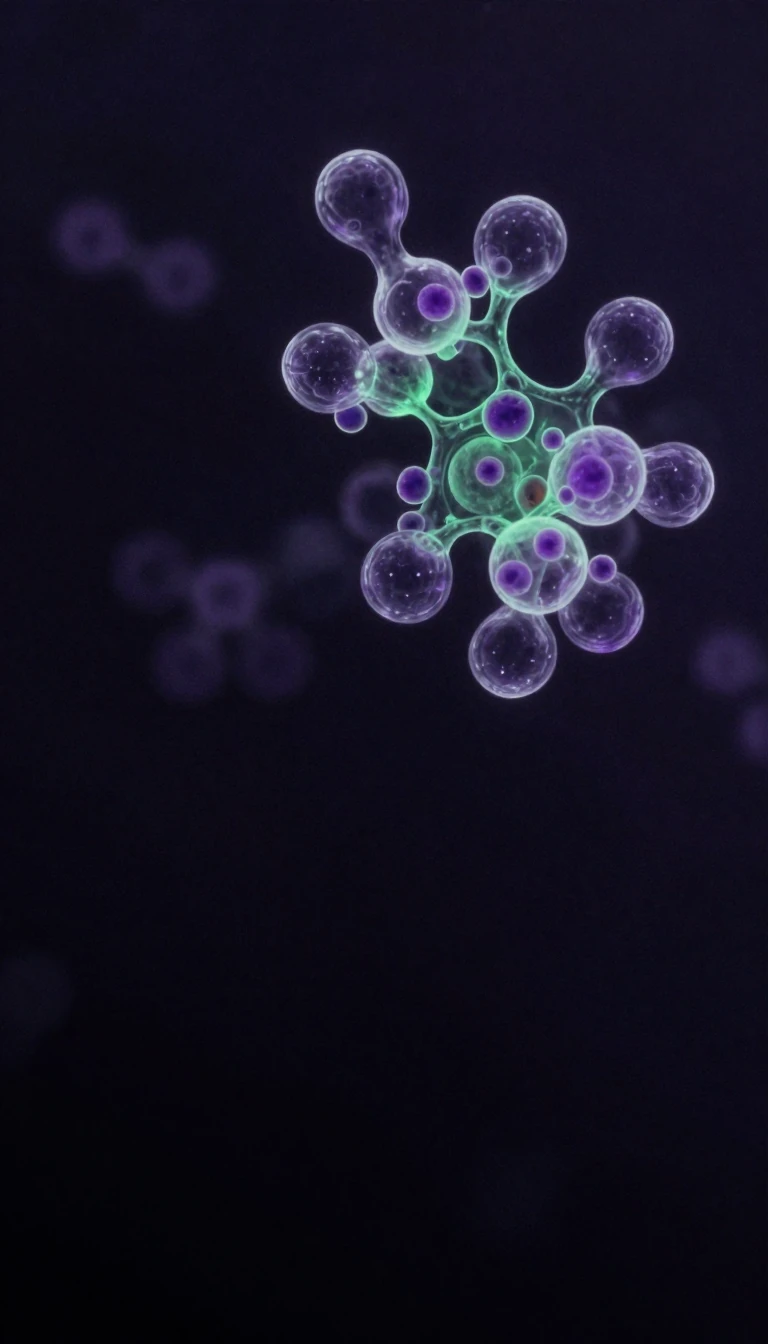
In short: Long dismissed as a mere liquid filler for cells, the cytosol is a sophisticated, crowded environment. It is a complex aqueous matrix where metabolism thrives, signaling pathways spark, and proteins are meticulously managed. Far from random, this fluid is a structured, dynamic space essential for life's most fundamental processes.
The cytosol, or intracellular fluid, constitutes about 70% of a typical cell's volume. While it is primarily water, it is far from a dilute solution. It is packed with macromolecules, reaching concentrations of up to 200 mg/ml. This density creates 'macromolecular crowding,' a phenomenon that significantly alters the rates and equilibrium of chemical reactions by restricting the space available for molecules to move. This environment is not static; it is a bustling hub where metabolic pathways, such as glycolysis and protein biosynthesis, occur with remarkable efficiency.
Organization within the cytosol is achieved through various mechanisms rather than membrane-bound compartments. Enzymes often cluster into complexes to facilitate substrate channeling, allowing products to pass directly between enzymes without entering the general solution. Other structures, such as proteasomes, act as gated barrels that isolate and degrade proteins, preventing damage to the rest of the cell. Additionally, biomolecular condensates and concentration gradients—like the transient 'calcium sparks'—allow the cell to localize specific functions precisely where and when they are needed.
The cytosol also maintains a distinct chemical environment compared to the extracellular fluid. By actively pumping out sodium and accumulating potassium, cells create a negative membrane potential and manage osmotic pressure. This delicate balance is vital for signaling; for instance, keeping cytosolic calcium levels low allows it to act as a potent second messenger. When a signal arrives, calcium floods the cytosol, triggering rapid cellular responses. Even the water itself is subject to debate, with some researchers suggesting that a portion of it is less mobile due to its interaction with the dense network of proteins and filaments.
Ultimately, the cytosol is a highly regulated, non-random space. While small molecules diffuse rapidly, the presence of the cytoskeleton and other structures creates microdomains that influence the distribution of larger components like ribosomes. This intricate organization ensures that the cell can synthesize, transport, and degrade molecules with precision, proving that the 'groundplasm' is as much a machine as it is a medium.
Opens the Intellect+ feed with this card first. Swipe up for the next one.
Sources
- Summary by Intellect · source: Cytosol
- Also: www.britannica.com — Cytosol | biology | Britannica
To cite this card, link to https://intellectplus.co.uk/app/science-cytosol.
How we source, check and correct cards: Editorial standards.
General information, not professional advice. Spotted an error? Flag the card or see corrections and complaints.
Intellect Plus is a visual educational discovery platform for exploring fascinating facts and ideas. Brain Food, Not Brain Rot. What is Intellect Plus?
Related
More in Cell biology · More in Science · Latest · A–Z · All topics
