Why the U.S. Navy’s most iconic Civil War cannons were nicknamed soda bottles
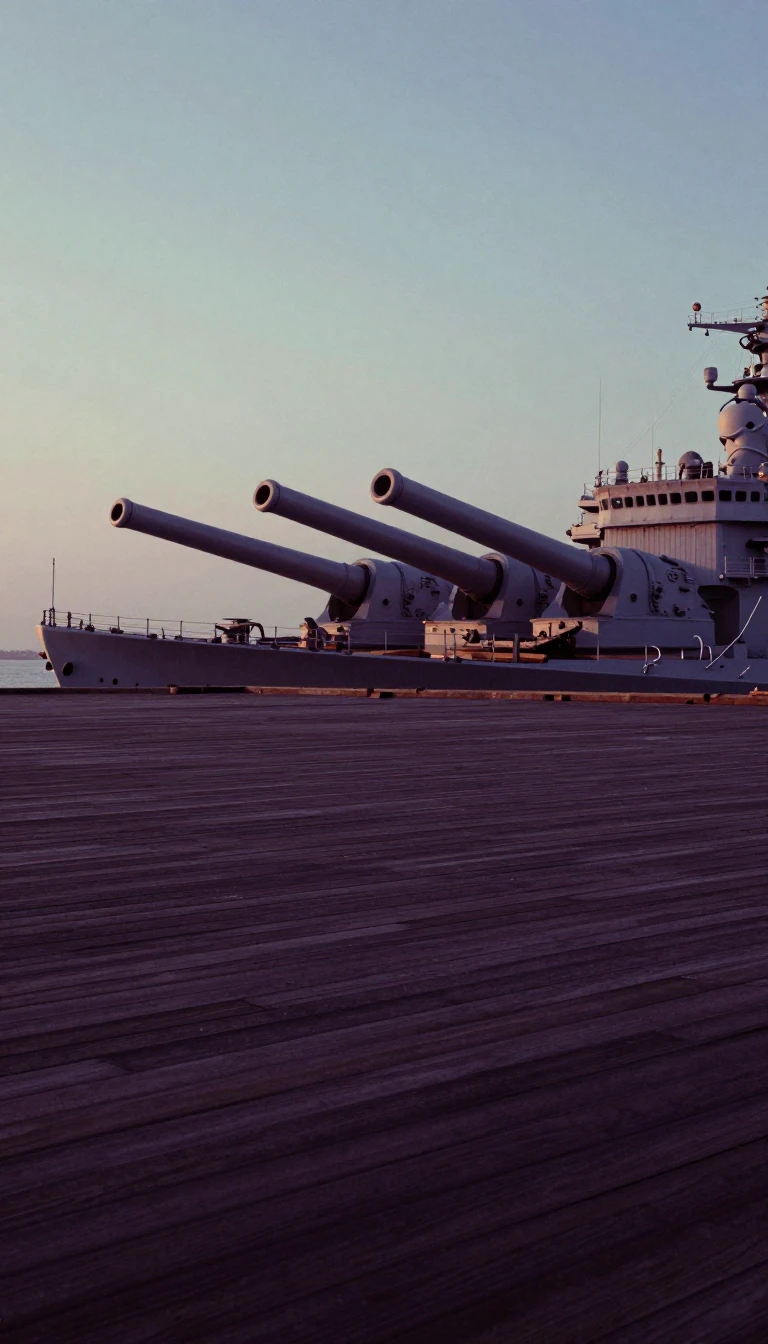
In short: Rear Admiral John A. Dahlgren revolutionized naval artillery by applying scientific design to cannon construction. After a fatal 1849 testing accident, he pioneered a distinctive, rounded shape that concentrated metal at the breech to withstand high pressures. These soda-bottle-shaped guns became the backbone of the Union fleet during the American Civil War.
Dahlgren’s design philosophy emerged from a desire to move beyond the limitations of existing shell guns. While French Colonel Henri-Joseph Paixhans had introduced shell-firing cannons in 1842, Dahlgren argued these were too specialized, sacrificing accuracy and range for explosive power. He sought a versatile weapon capable of firing shells at high velocity while retaining the ability to fire solid shot, a necessity as armored warships began to appear.
The resulting Dahlgren guns were cast-iron columbiads characterized by their smooth, curved contours. By concentrating weight in the breech, where propellant gases exerted the most force, Dahlgren created a weapon that was remarkably safe for the era; notably, no Dahlgren shell gun ever burst during active service. This scientific approach extended to his boat howitzers, which were designed for amphibious use and could be easily moved between ships and field carriages.
However, the transition to larger calibers, such as the 15-inch and 20-inch guns, forced a departure from Dahlgren’s traditional solid-casting methods. To ensure structural integrity, the Navy mandated the use of Thomas Jackson Rodman’s hollow-casting technique. This process involved cooling the gun from the inside out using water, which compressed the metal and created a stronger barrel. This shift caused friction between Dahlgren and the Bureau of Ordnance, highlighting the tension between established design principles and the urgent demands of wartime innovation.
While his shell guns were highly successful, Dahlgren’s experiments with rifled artillery were more uneven. Some designs, like the 80-pounder rifle, proved prone to catastrophic failure, as evidenced by a dramatic explosion aboard the USS Hetzel in 1862. Despite these setbacks, the Dahlgren system remained a cornerstone of naval technology, with his guns serving on everything from small river gunboats to the iconic monitors that defined the era of ironclad warfare.
Opens the Intellect+ feed with this card first. Swipe up for the next one.
Sources
- Summary by Intellect · source: Dahlgren gun
To cite this card, link to https://intellectplus.co.uk/app/science-dahlgren-gun.
How we source, check and correct cards: Editorial standards.
General information, not professional advice. Spotted an error? Flag the card or see corrections and complaints.
Intellect Plus is a visual educational discovery platform for exploring fascinating facts and ideas. Brain Food, Not Brain Rot. What is Intellect Plus?
Related
More in Social scientists · More in Science · Latest · A–Z · All topics
