Your DNA is not just in your nucleus: the hidden inheritance of your mitochondria
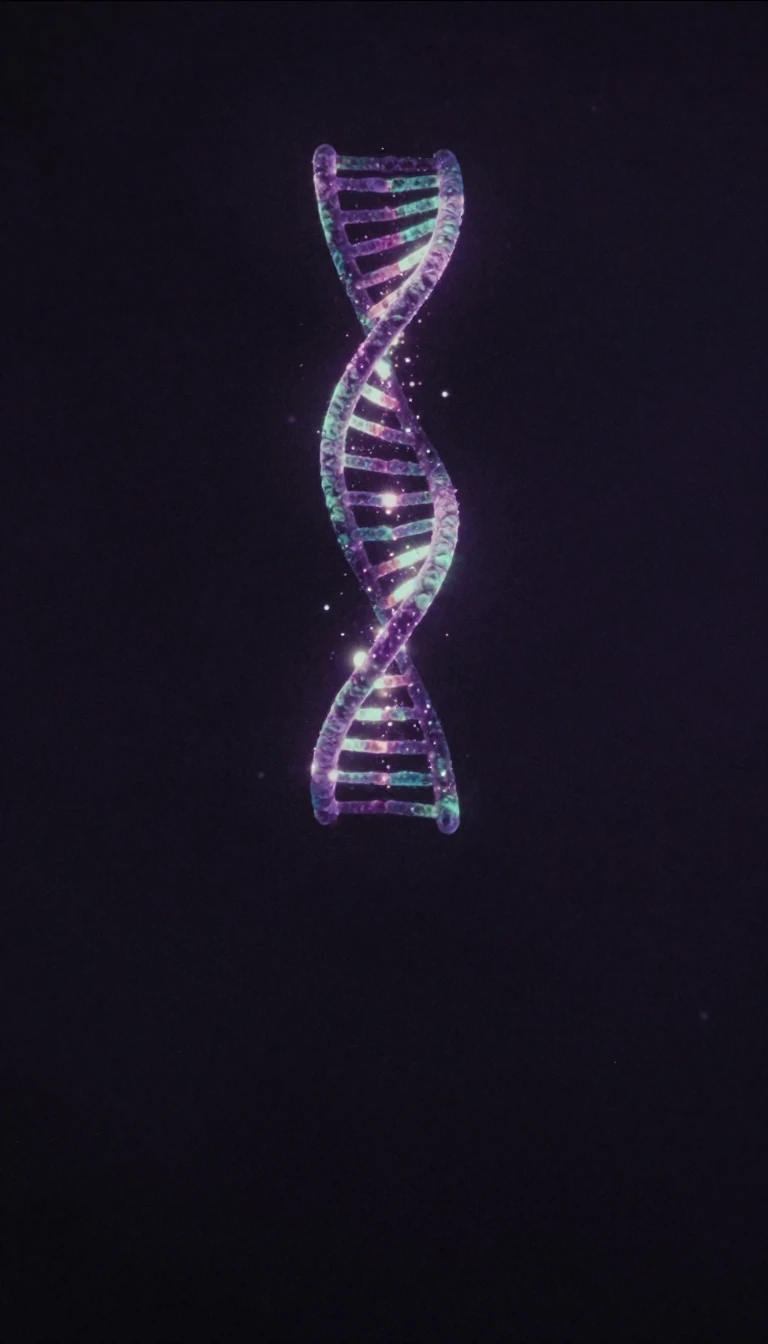
In short: Most of your genetic code lives in the nucleus, but a vital portion resides elsewhere. Extranuclear inheritance describes how genes outside the nucleus, found in organelles like mitochondria and chloroplasts, are passed down. This process defies standard rules of recombination, often following maternal lines rather than the typical mix of both parents.
Extranuclear inheritance involves the transmission of genetic material located outside the cell nucleus. While nuclear DNA is organized into chromosomes that replicate once before cell division, extranuclear genomes—found in mitochondria and chloroplasts—replicate independently. These organelles respond to the cell's specific energy demands, which fluctuate throughout its lifespan. Because they replicate autonomously, these genomes rarely undergo the recombination typical of nuclear DNA, leading to distinct patterns of inheritance.
The most well-known form is uniparental inheritance, particularly maternal transmission. In humans, mitochondria are present in the egg cell, while the sperm’s mitochondria are typically left behind during fertilization. Consequently, mitochondrial diseases are almost exclusively inherited from the mother. While rare reports of paternal mitochondrial inheritance exist and require further study, maternal dominance remains the standard. Chloroplast inheritance is more complex, with species exhibiting maternal, paternal, or even biparental modes depending on factors like temperature and enzymatic activity.
Biparental inheritance, where both parents contribute organellar DNA, is less common but occurs in specific organisms like the yeast Saccharomyces cerevisiae. Other forms include vegetative segregation, where organelles are randomly partitioned during cell division, and the transmission of viral genomes or symbiotic bacteria. Research into mutants like the fungus Neurospora crassa, specifically the 'poky' strain, was foundational in proving that mitochondrial DNA defects could be inherited. In this case, a deletion in the mitochondrial ribosomal RNA sequence causes slow growth and cytochrome deficiencies, demonstrating the profound impact these extranuclear genes have on cellular function.
Opens the Intellect+ feed with this card first. Swipe up for the next one.
Sources
- Summary by Intellect · source: Extranuclear inheritance
To cite this card, link to https://intellectplus.co.uk/app/science-extranuclear-inheritance.
How we source, check and correct cards: Editorial standards.
General information, not professional advice. Spotted an error? Flag the card or see corrections and complaints.
Intellect Plus is a visual educational discovery platform for exploring fascinating facts and ideas. Brain Food, Not Brain Rot. What is Intellect Plus?
Related
More in Genetics and molecular biology · More in Science · Latest · A–Z · All topics
