How a small German town became a crucible for both democracy and tragedy.
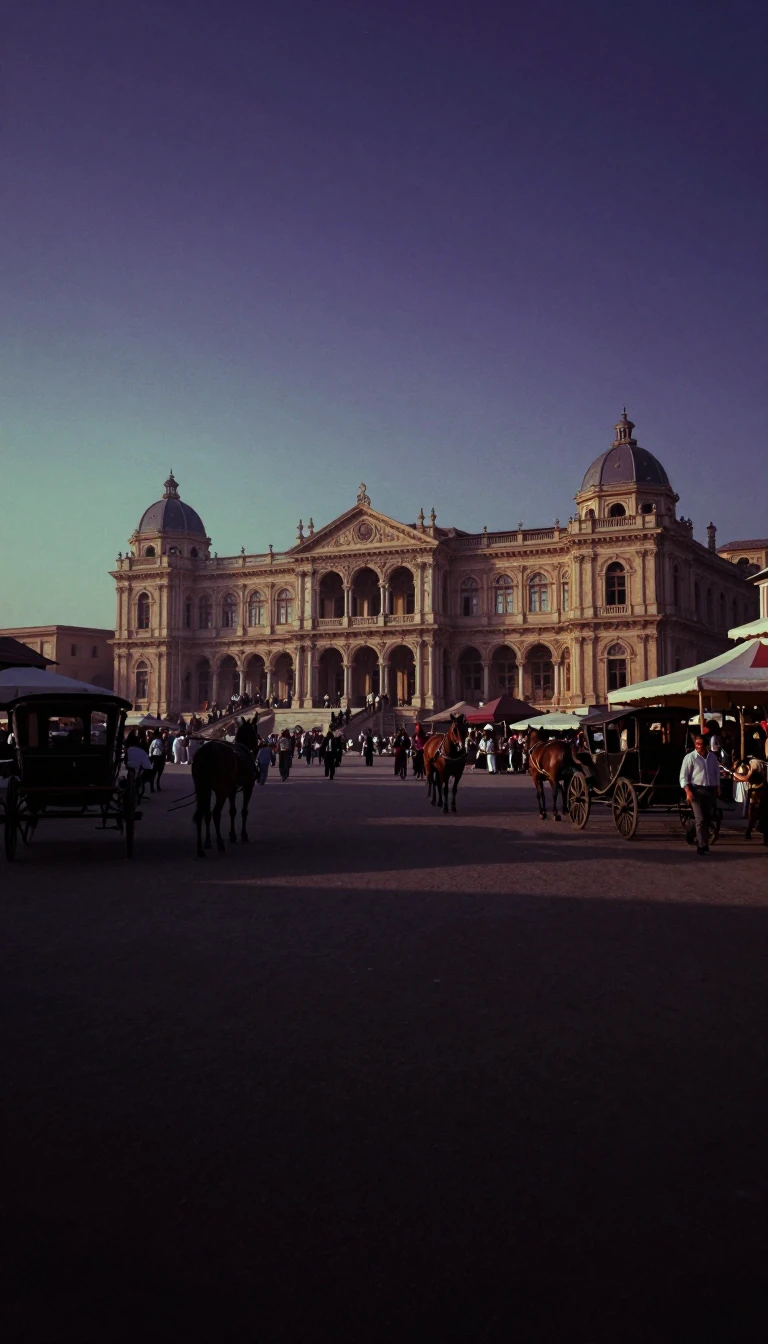
In short: Heppenheim is more than a picturesque stop on the Bergstraße wine route. From its 755 AD origins to its role as the birthplace of the Free Democratic Party, this town has served as a quiet stage for pivotal German history, including both revolutionary liberal movements and the darkest chapters of the twentieth century.
First documented in 755, Heppenheim evolved from a Frankish domain into a strategic administrative hub. Its history is defined by shifting allegiances, having been donated to Lorsch Abbey in 773 and later governed by the Archbishops of Electoral Mainz for centuries. The town’s medieval character is anchored by the Starkenburg castle, built in 1065 to protect the abbey’s interests. Despite its longevity, the town faced repeated devastation, notably during the Thirty Years' War, when the plague decimated 80% of the population in 1635, and again during the Nine Years' War in 1693, which necessitated the reconstruction of its iconic timber-frame Old Town.
The town’s political legacy is equally complex. In 1847, the Halber Mond Hotel hosted the Heppenheim Conference, a critical precursor to the 1848 German revolutions. This tradition of liberal politics persisted into the post-war era, with the Free Democratic Party (FDP) founded in the town on 11 December 1948. However, this history is shadowed by the Nazi era. Jewish life, which had flourished with about 40 families by 1900, was systematically destroyed. By 1938, the local synagogue was looted and burned, and the remaining Jewish residents were deported by 1942. The town also hosted a subcamp of the Dachau/Natzweiler-Struthof concentration camp, where prisoners were forced to work in an SS-run nutrition research facility.
Today, Heppenheim balances these layers of memory. The town’s coat of arms, granted in 1913, reflects its historical transitions between Lorsch, Mainz, and Hesse, while its 408 protected cultural monuments preserve the architectural heritage of the post-1693 reconstruction. From the 1,200-year jubilee celebrations in 1955 to its modern role as a district seat, the town remains a site where the weight of German history is physically manifest in its streets, memorials, and administrative records.
Opens the Intellect+ feed with this card first. Swipe up for the next one.
Sources
- Summary by Intellect · source: Heppenheim
To cite this card, link to https://intellectplus.co.uk/app/science-heppenheim.
How we source, check and correct cards: Editorial standards.
General information, not professional advice. Spotted an error? Flag the card or see corrections and complaints.
Intellect Plus is a visual educational discovery platform for exploring fascinating facts and ideas. Brain Food, Not Brain Rot. What is Intellect Plus?
Related
More in Social scientists · More in Science · Latest · A–Z · All topics
