Membrane proteins are the gatekeepers of life, yet we barely understand their architecture.
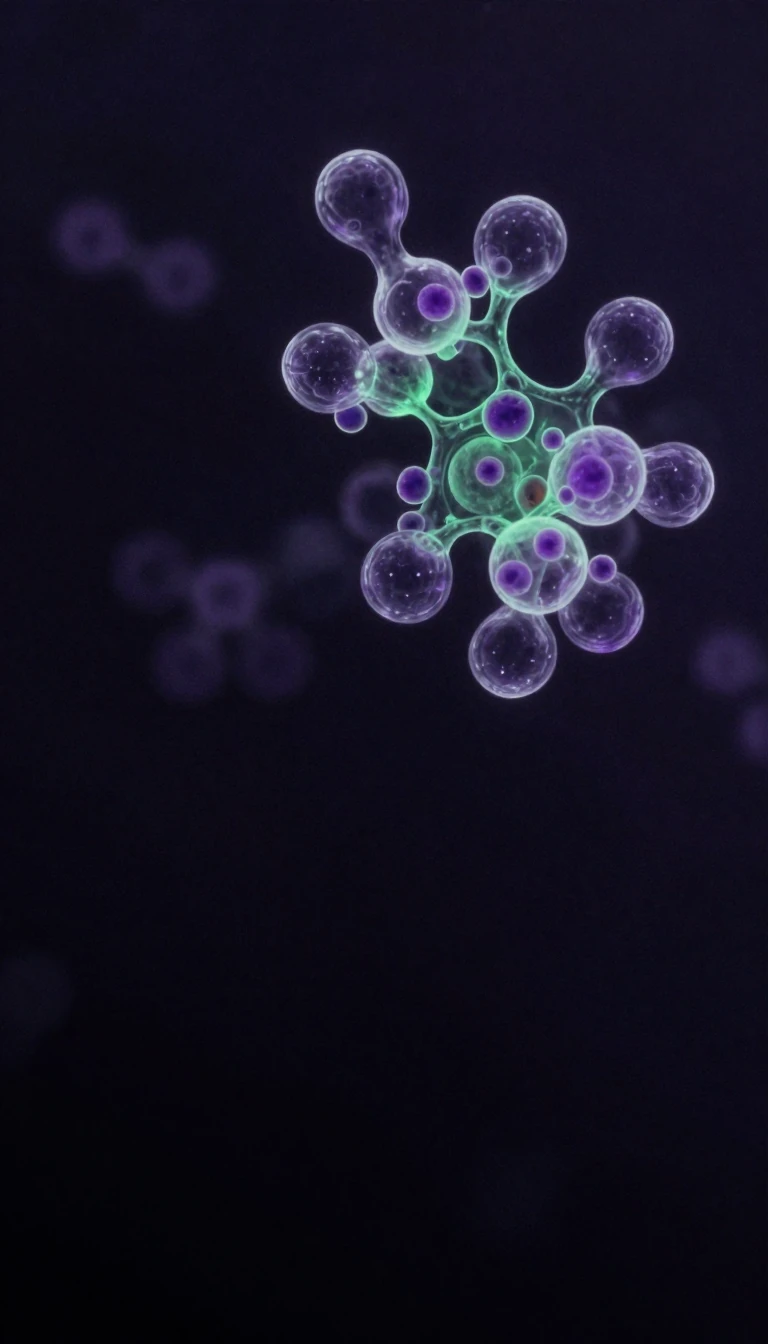
In short: Roughly 30 percent of your genome encodes membrane proteins, which act as vital receptors, transporters, and enzymes. They are the targets for over half of all modern medicinal drugs, yet their hydrophobic nature makes them notoriously difficult to study, leaving their structural secrets largely hidden from scientific view.
Membrane proteins are essential components of biological membranes, categorized by their location and interaction with the lipid bilayer. Integral membrane proteins are permanently embedded, either spanning the membrane as transmembrane proteins or associating with one side as integral monotopic proteins. Conversely, peripheral membrane proteins are only transiently attached through non-covalent interactions, such as electrostatic or hydrophobic forces, and can be easily dissociated using polar reagents.
The structural diversity of these proteins is remarkable. Transmembrane proteins often adopt one of two architectures: helix bundles, found in all biological membranes, or beta barrels, which are restricted to the outer membranes of mitochondria, chloroplasts, and Gram-negative bacteria. During synthesis, these proteins are guided into the membrane by complex pathways involving signal recognition particles and translocons, which act as channels for the polypeptide chain.
Despite their medical importance—being implicated in conditions like Alzheimer's, heart disease, and cystic fibrosis—characterizing them remains a significant challenge. Their hydrophobic surfaces make them unstable in isolation, often requiring detergents that can inadvertently alter their native conformation. Consequently, while they constitute about 30 percent of the human proteome, structural elucidation has been slow; by 2019, only 50 human membrane protein structures had been successfully determined.
To overcome these hurdles, scientists employ specialized techniques like affinity chromatography, using tags such as polyhistidine to purify these elusive molecules. Emerging strategies, including cryo-electron microscopy and mass-enhancement techniques like 'di-gembodies,' are now helping researchers visualize even the smallest proteins. As our ability to map these structures improves, so too does our potential to develop more precise, effective therapeutic interventions for the many diseases governed by these molecular gatekeepers.
Opens the Intellect+ feed with this card first. Swipe up for the next one.
Sources
- Summary by Intellect · source: Membrane protein
- Also: www.nature.com — Membrane proteins - Latest research and news | Nature
To cite this card, link to https://intellectplus.co.uk/app/science-membrane-protein.
How we source, check and correct cards: Editorial standards.
General information, not professional advice. Spotted an error? Flag the card or see corrections and complaints.
Intellect Plus is a visual educational discovery platform for exploring fascinating facts and ideas. Brain Food, Not Brain Rot. What is Intellect Plus?
Related
More in Cell biology · More in Science · Latest · A–Z · All topics
