Cells are not just bags of soup, they are complex, organized, liquid-like droplets.
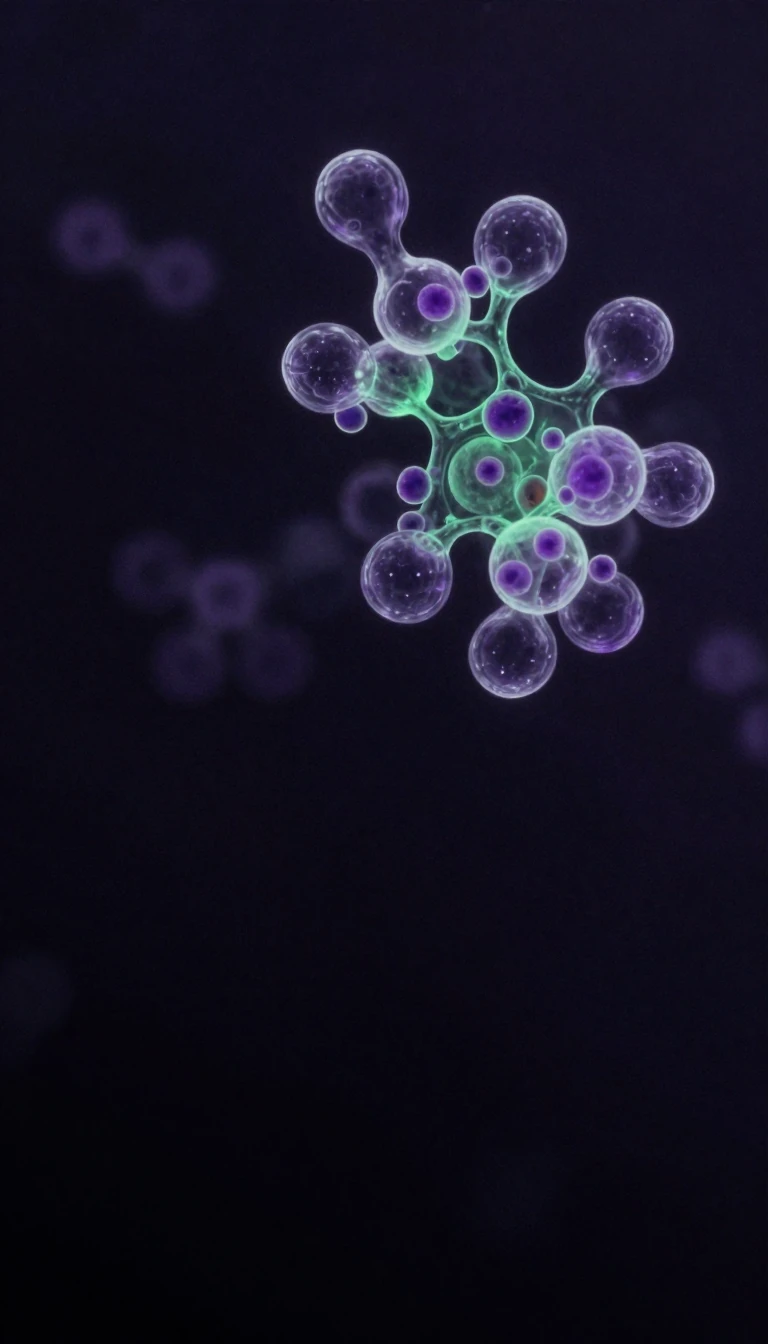
In short: Inside your cells, components do not just float randomly. They undergo phase separation, demixing into distinct, functional droplets called biomolecular condensates. This process is essential for organizing cellular biochemistry, signaling, and even stabilizing membranes, revealing that life relies on the sophisticated physics of liquids rather than simple chemical diffusion.
At its core, phase separation is the process where a homogeneous mixture demixes into two or more distinct phases. While we often think of this in terms of oil and water, biology uses this physical mechanism to create order within the crowded environment of the cell. Biomolecular condensates form through this demixing, acting as specialized compartments that concentrate specific proteins and nucleic acids without the need for a surrounding membrane. These liquid-like droplets are dynamic, allowing for the rapid assembly and disassembly of cellular machinery in response to environmental cues.
The interplay between these condensates and cellular membranes is a critical frontier in modern biology. Condensates can physically couple to lipid domains, influencing membrane lipid packing, hydration, and overall organization. For instance, signaling molecules often cluster on membranes through phase transitions, which can trigger downstream events like T cell receptor activation. This coupling is not merely structural; it is functional, as seen in how stress granules can physically plug and stabilize damaged endolysosomal membranes, preventing further cellular harm.
Understanding these processes requires looking at the thermodynamics of mixing, where the Gibbs free energy determines whether components stay together or separate. While entropy generally favors mixing, positive enthalpy of mixing at lower temperatures can drive separation. In biological systems, this is finely tuned. Whether it is the formation of P granules in germlines or the organization of the postsynaptic density in neurons, phase separation provides a robust, responsive platform for life. As research continues to unveil the nanoscale features of these condensates, it becomes clear that the cell is a highly structured landscape governed by the same fundamental physical laws that dictate the behavior of complex fluids in the physical world.
Opens the Intellect+ feed with this card first. Swipe up for the next one.
Sources
- Summary by Intellect · source: Phase separation across membranes and condensates in cell organization and function - Nature Reviews Molecular Cell Biology
- Also: Phase separation
To cite this card, link to https://intellectplus.co.uk/app/science-phase-separation.
How we source, check and correct cards: Editorial standards.
General information, not professional advice. Spotted an error? Flag the card or see corrections and complaints.
Intellect Plus is a visual educational discovery platform for exploring fascinating facts and ideas. Brain Food, Not Brain Rot. What is Intellect Plus?
Related
More in Separation processes · More in Science · Latest · A–Z · All topics
