Cellular chaperone proteins guide folding and prevent toxic clumps
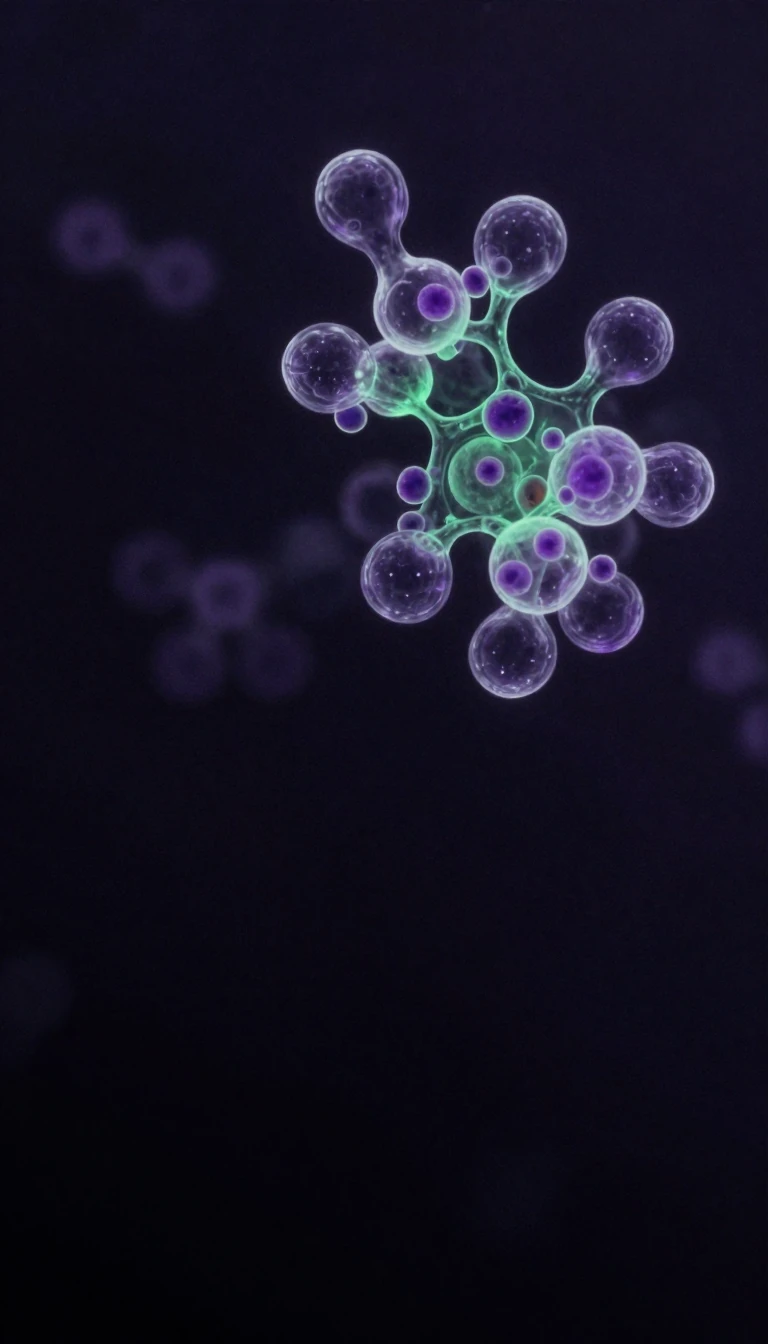
In short: A review of research on protein quality control explains how molecular chaperones, found in every domain of life, catch new protein chains as they leave the ribosome and steer them toward their correct three-dimensional shape. The authors describe how chaperones work alongside a wider proteostasis network of degradation systems to stop misfolded proteins from clumping into potentially toxic aggregates.
This Science review draws together a decade of structural biology and biophysical studies rather than presenting new experiments, pulling out common principles across chaperone systems in bacteria and more complex eukaryotic cells. It also discusses how this quality-control network's capacity appears to decline with age, which the authors link to chronic disease and the toxic protein aggregates seen in neurodegenerative conditions, though exactly how cells decide whether to degrade or sequester damaged proteins is still not well understood.
Why it matters: Understanding how cells' quality-control systems falter with age could point to new ways to tackle neurodegenerative disease.
Opens the Intellect+ feed with this card first. Swipe up for the next one.
Sources
- Source: Research: Balchin et al. (2016). In vivo aspects of protein folding and quality control. Science. · other-oa
To cite this card, link to https://intellectplus.co.uk/app/science-research-how-cells-use-molecular-chaperones-to-prevent-toxic-protein.
How we source, check and correct cards: Editorial standards.
General information, not professional advice. Spotted an error? Flag the card or see corrections and complaints.
Intellect Plus is a visual educational discovery platform for exploring fascinating facts and ideas. Brain Food, Not Brain Rot. What is Intellect Plus?
Related
More in Cell biology · More in Science · Latest · A–Z · All topics
