Life is a relationship among molecules, not a property of any single one
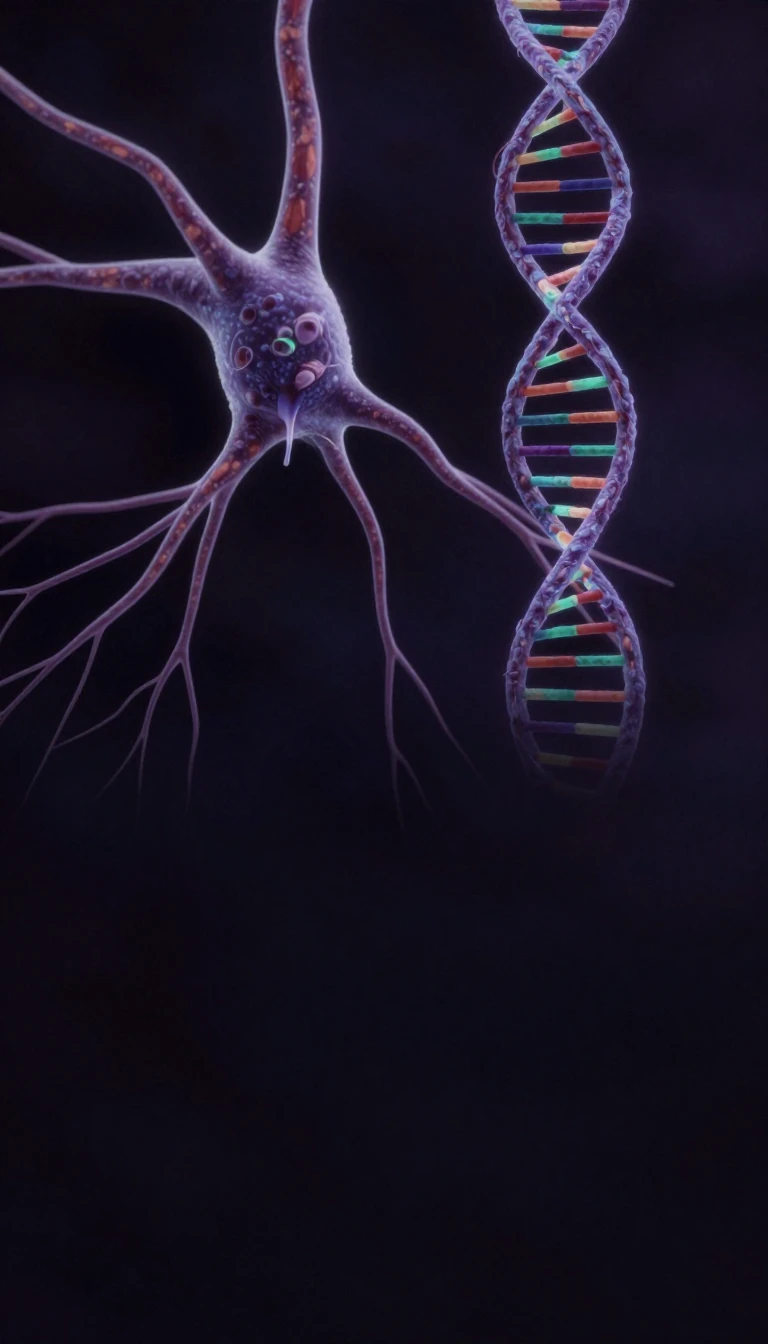
In short: Systems biology treats living organisms as integrated networks rather than collections of isolated parts. By shifting focus from individual genes or proteins to the complex interactions between them, this field seeks to explain emergent properties—behaviors that arise only when many components act together, such as human memory or cellular function.
Systems biology emerged as a formal discipline following the genomics revolution, catalyzed by the Human Genome Project, which ran from 1990 to 2003. While traditional biology often relied on reductionism—breaking systems down to their smallest components to understand them—systems biology adopts a holistic perspective. It views biological entities as integrated systems where the whole is greater than the sum of its parts. This shift is necessary because many critical biological functions, known as emergent properties, cannot be predicted by studying individual neurons, proteins, or genes in isolation.
The field operates like a form of reverse engineering. Unlike systems engineering, where designers build a machine from known blueprints, biologists must infer the design and interaction rules of an organism after the fact by observing its behavior. This requires a rigorous, iterative cycle: researchers collect massive amounts of quantitative data using high-throughput technologies, such as multi-omics, and then synthesize this information into mathematical models. These models allow scientists to propose testable hypotheses, refine their theories, and ultimately predict how a system will respond to internal or external perturbations.
This approach has profound implications for medicine and beyond. By mapping the complex networks of genes, proteins, and metabolites, researchers can better understand disease mechanisms and develop more effective therapies. For instance, recent studies on pancreatic adenocarcinoma have identified conserved cell states that suggest universal combination therapies could be more effective than monotherapies. As theoretical chemist Linus Pauling and biologist Emil Zuckerkandl famously noted, life is defined by relationships among molecules. By embracing this complexity, systems biology provides a powerful vantage point for deciphering the intricate logic of life, a process shaped by over 3.4 billion years of evolutionary history.
Despite its growing popularity, the field remains interdisciplinary and diverse, often lacking a single, universally accepted definition. Some practitioners view it as the future of all biology, while others see it as a necessary evolution of molecular biology. Regardless of the label, the core mission remains consistent: to bridge the gap between molecular structures and physiological processes through the integration of quantitative data and computational modeling.
Opens the Intellect+ feed with this card first. Swipe up for the next one.
Sources
- Summary by Intellect · source: Systems biology | Modeling, Simulation & Analysis | Britannica
- Also: Systems biology
- Also: Systems biology - Latest research and news | Nature
To cite this card, link to https://intellectplus.co.uk/app/science-systems-biology.
How we source, check and correct cards: Editorial standards.
General information, not professional advice. Spotted an error? Flag the card or see corrections and complaints.
Intellect Plus is a visual educational discovery platform for exploring fascinating facts and ideas. Brain Food, Not Brain Rot. What is Intellect Plus?
Related
More in Biology basics · More in Science · Latest · A–Z · All topics
