 Intellect Plus
Biology basics
29 cards. Each one is a 40-second story with a five-minute read behind it.
 Why biology feels hard: you're missing the mapMost people struggle with biology not because of a lack of intelligence, but because they are taught facts before understanding the underlying structure. This video reconstructs t…
 Why biology is essentially just applied chemistry in motionTo master the complexities of life, you must first understand the behavior of matter. This series breaks down the fundamental chemical principles required for high school, AP, and…
 The hidden hierarchy of your body from cells to systemsMost people use anatomical terms without ever understanding their underlying structure. This video breaks down the human body into a clear, logical framework, moving from microsco…
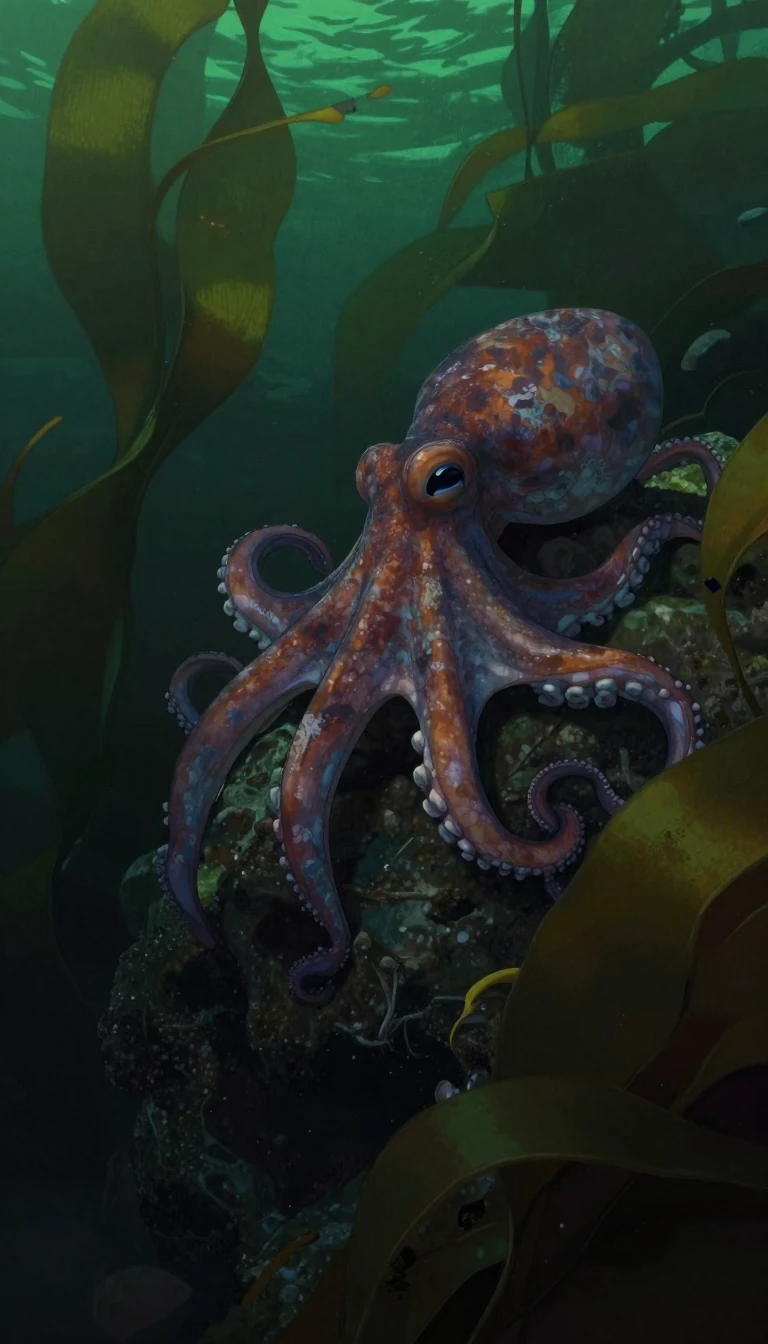 Can we define life by simulating it rather than just observing it?Artificial life researchers treat biology as a process rather than a physical substance. By building digital environments where simple rules trigger complex, emergent behaviors, s…
 Why is carbon the undisputed champion of life, and could anything else compete?Carbon is the skeleton of all known life, making up nearly half of our dry biomass. Its unique ability to form stable, complex chains allows for the intricate chemistry required f…
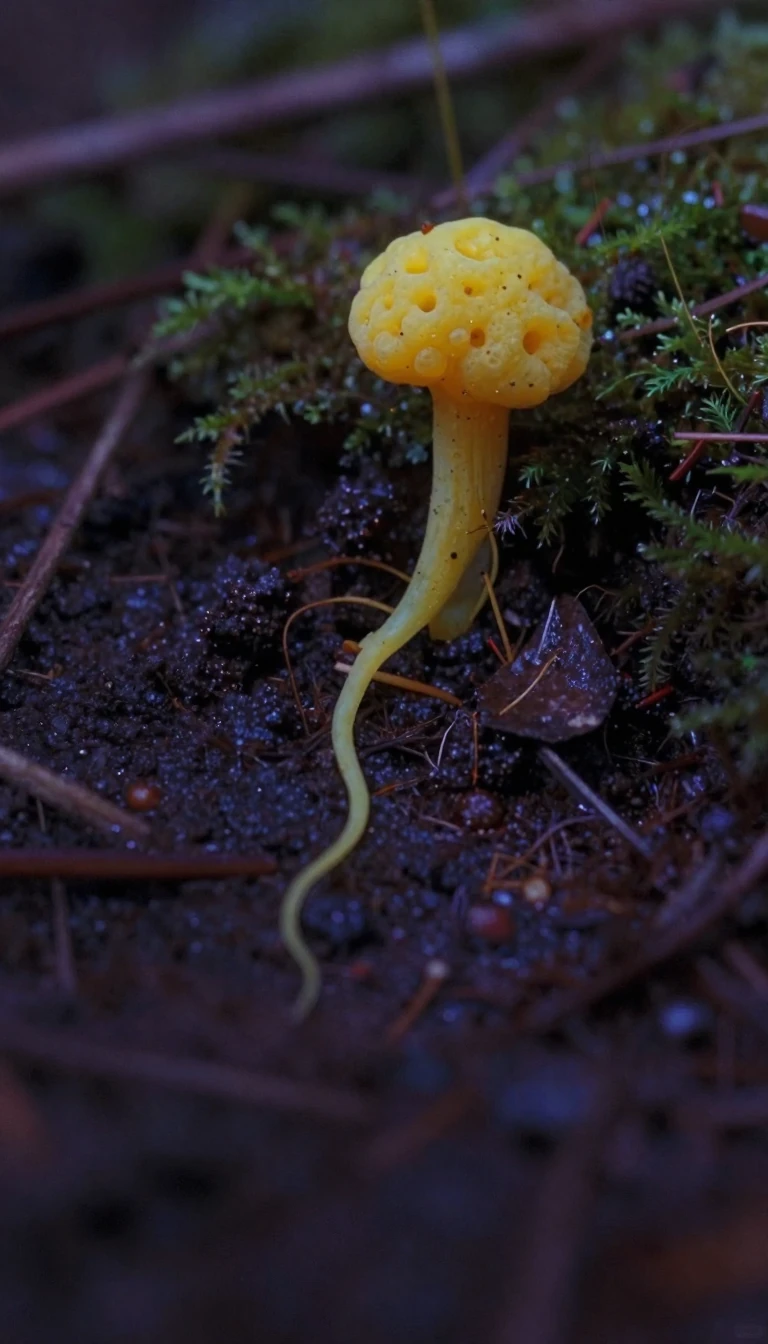 Why your family tree might include fish, worms, and every other living thingCladistics is the dominant method for classifying life, but it forces a radical shift in perspective. By grouping organisms strictly by their shared ancestry, it reveals that trad…
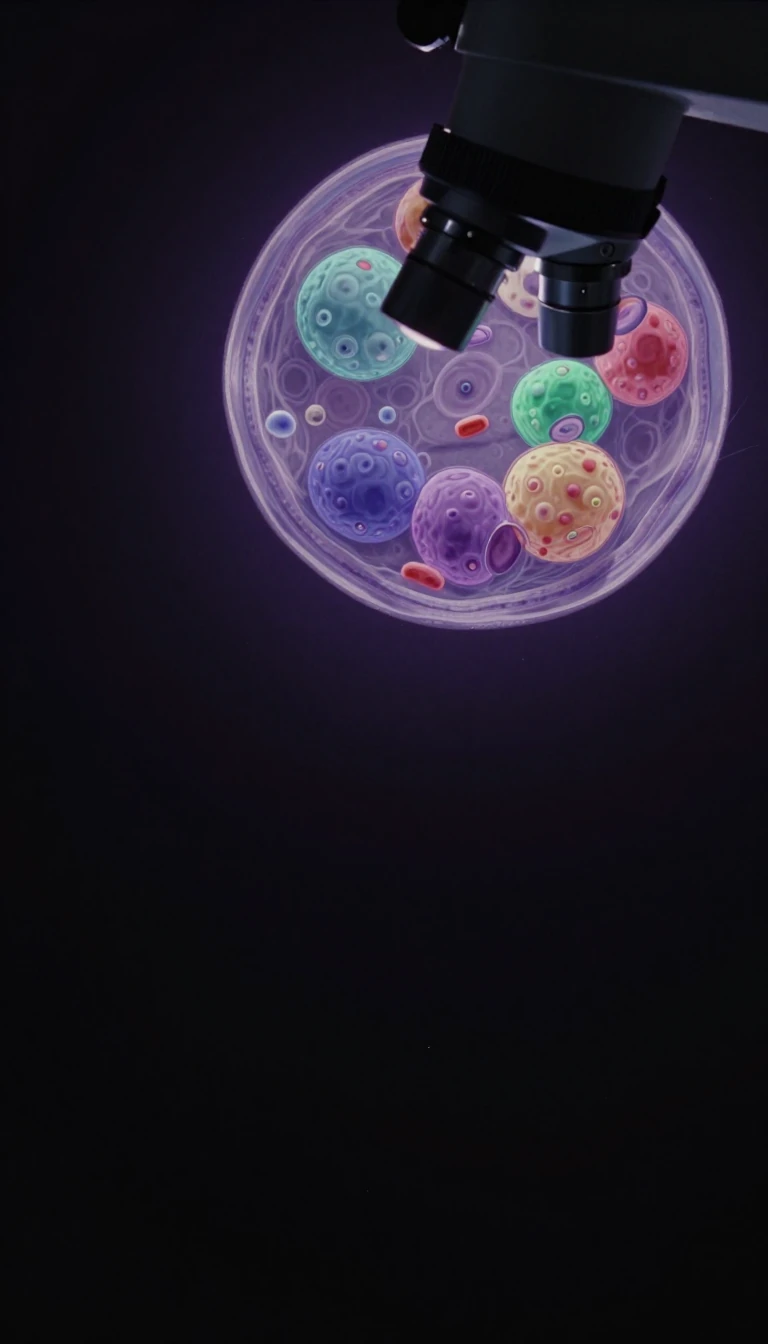 Can computers truly understand life, or are they just building better maps of it?Computational biology applies computer science to model the complex processes of life. By framing biological mysteries as computational challenges, scientists move beyond simple d…
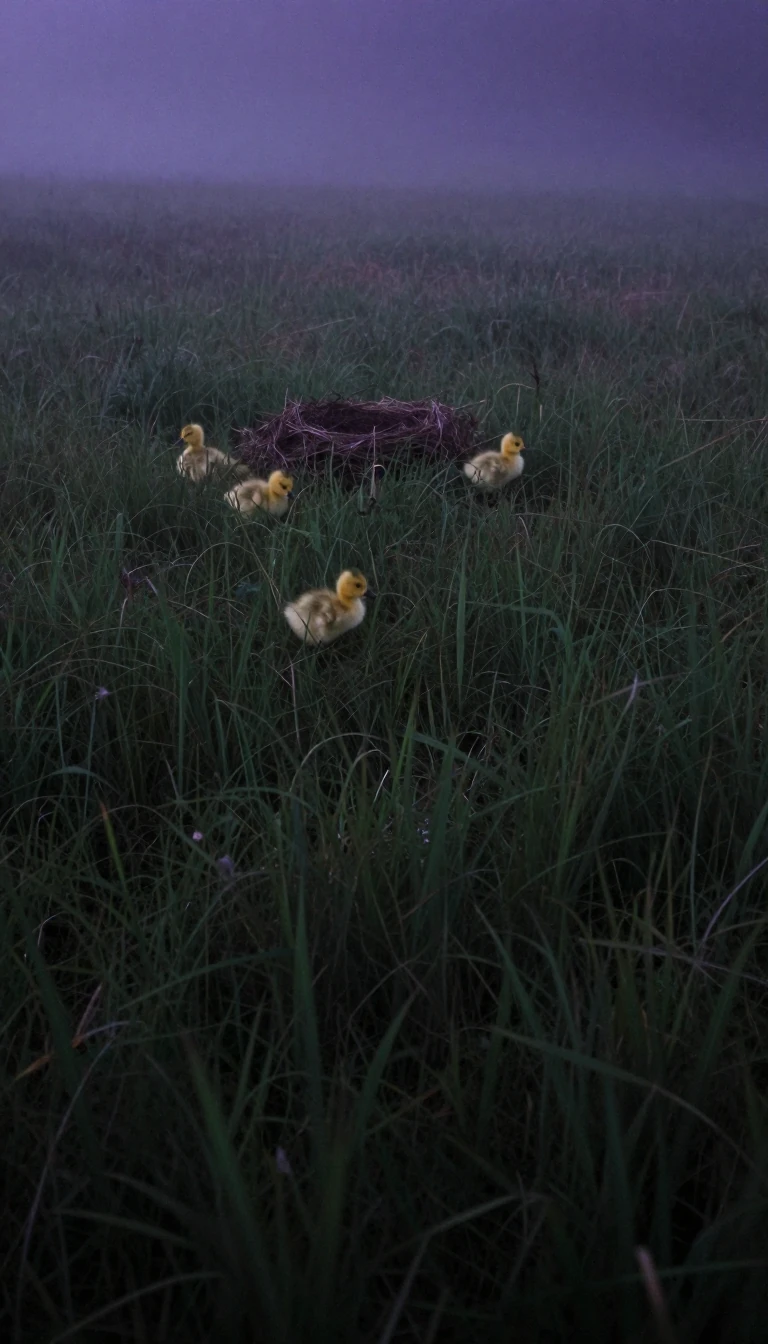 Why modern birds are just a small, living slice of a much larger treeIn biology, a crown group represents only the living members of a lineage and their most recent common ancestor. This definition leaves out iconic extinct relatives like Archaeopt…
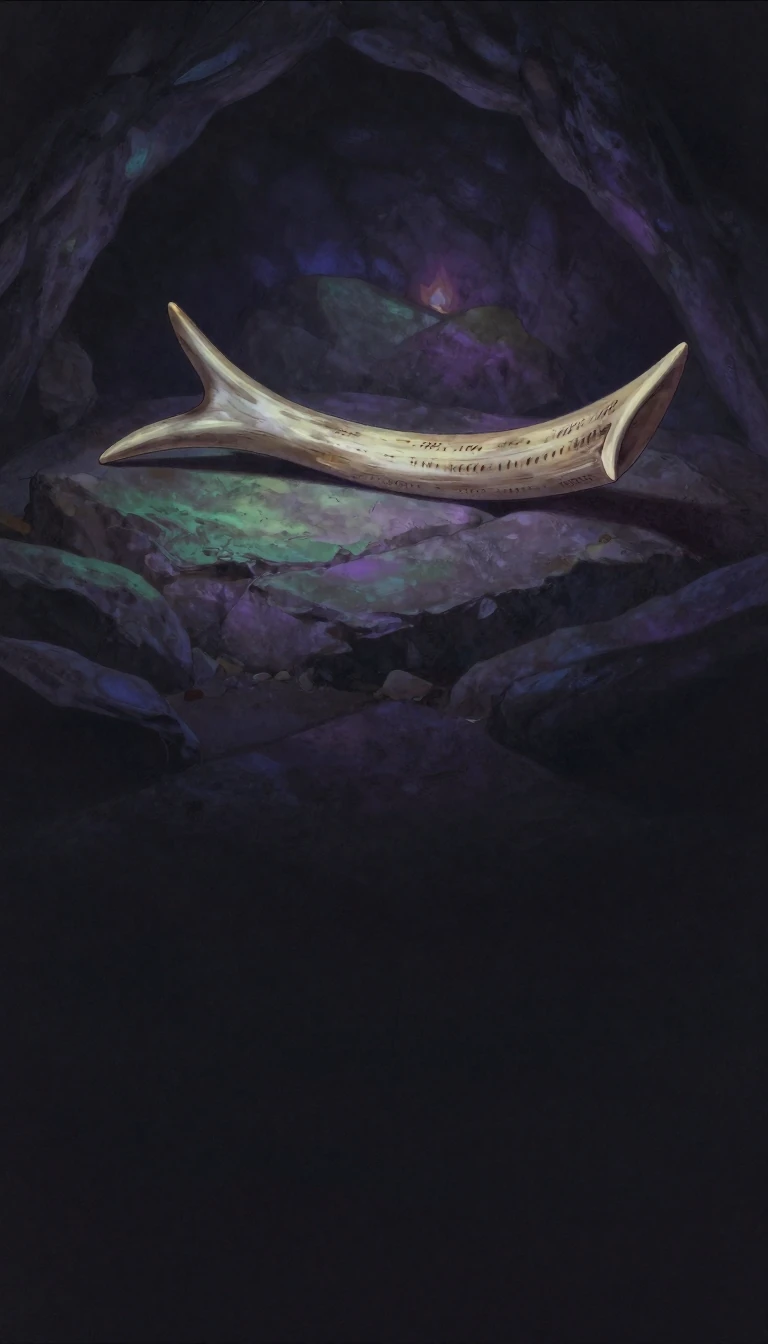 How indigenous knowledge of the natural world shaped modern science and global classification systemsEthnobiology began as a tool for colonial exploitation, but it has evolved into a vital, multidisciplinary field. Today, researchers study how diverse cultures categorize and inte…
 Why the biological family is a human construct rather than a law of nature.Taxonomy is not a rigid map of life but a shifting consensus among scientists. While we treat biological families as fixed categories, they are actually flexible tools used to org…
- Marine biology explores the complex life thriving within our vast, mysterious oceansMarine biology is the scientific study of life in the sea, encompassing everything from microscopic plankton to massive whales. Beyond cataloging species, it examines how organism…
 Tiny fossils are the most powerful tools for mapping Earth's deep historyMicropaleontology is the study of organisms so small they require a microscope to be seen. These microscopic remains, often less than one millimeter in size, are essential for dat…
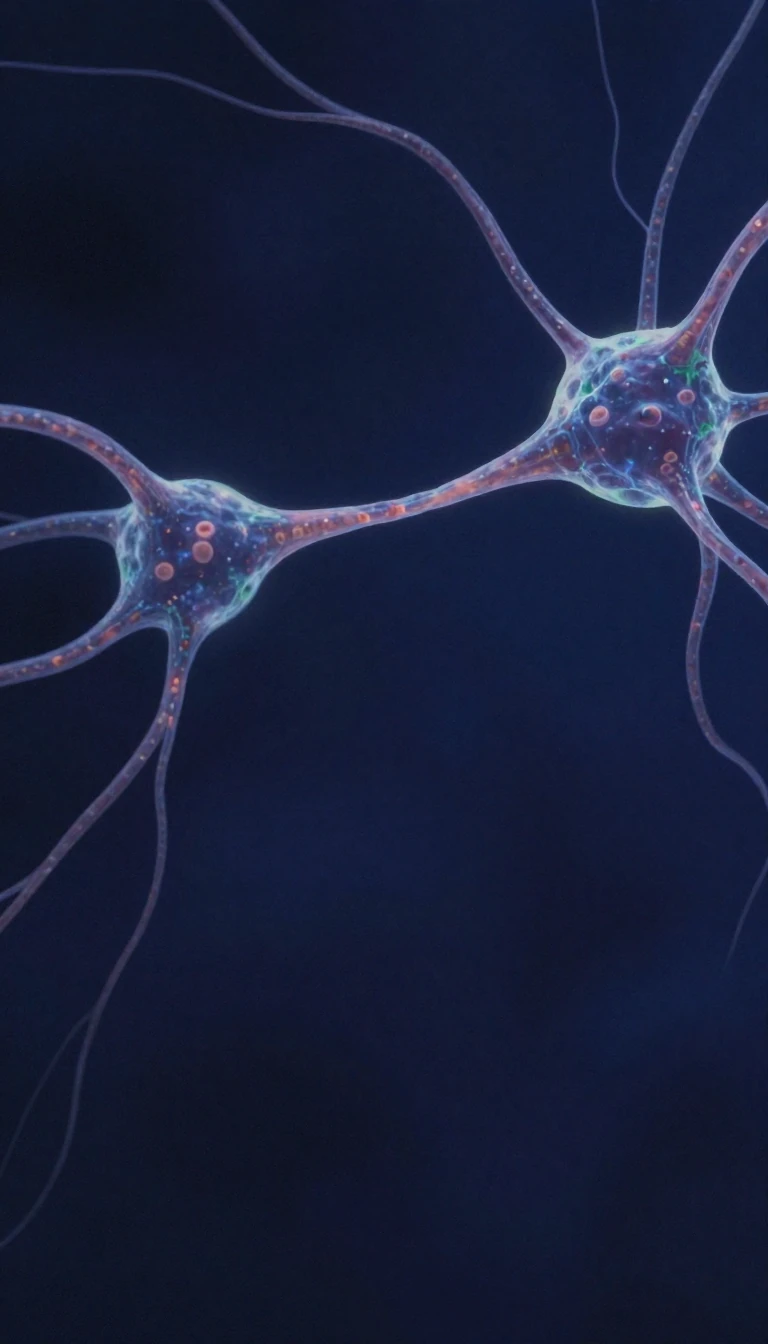 Your brain is a vast, interconnected web of billions of neurons and trillions of synapses.Biological neural networks form the foundation of human thought, memory, and survival. While artificial intelligence models are loosely inspired by these complex systems, the true…
 Are viruses and viroids alive, or are they just complex, self-replicating chemical machines?For centuries, biology defined life by the cell. Today, that boundary is dissolving. From viruses that blur the line between chemistry and biology to mysterious RNA-based obelisks…
 Why biological orders are more of an expert opinion than a fixed lawIn the hierarchy of life, the rank of order sits between class and family, intended to group organisms by shared ancestry. Yet, there is no universal rulebook for defining one. Ta…
 Why organic matter is the secret engine of healthy soil and plant growthOrganic matter is more than just garden waste; it is the essential carbon-based foundation of life. Whether derived from plants or animals, this material fuels microbial activity,…
 How ancient plant fossils reveal the secret timeline of life colonizing our continents.Paleobotany reconstructs the history of life by studying everything from microscopic spores to towering fossilized trees. By analyzing these remnants, scientists trace the dramati…
- How do we reconstruct the lost ecosystems of Earth's deep, ancient past?Paleoecology bridges the gap between paleontology and ecology, using fossilized remains to recreate the environments of long-extinct organisms. By analyzing everything from teeth …
 Why parasites are the most successful and misunderstood organisms on our planetParasites live in or on other organisms, often thriving at their host's expense. While we associate them with disease, they are a diverse biological phenomenon found in almost eve…
 Petrified wood is not just a fossil; it is a three-dimensional stone replica.When trees are buried in volcanic ash or mineral-rich water, they undergo a remarkable transformation. Instead of rotting away, their organic tissues are replaced by stone, creati…
 Why your genome is only the beginning of your biological storyYour DNA is a static blueprint, but your proteome is a dynamic, shifting landscape. While genes provide instructions, proteins are the actual workers of your cells. Because these …
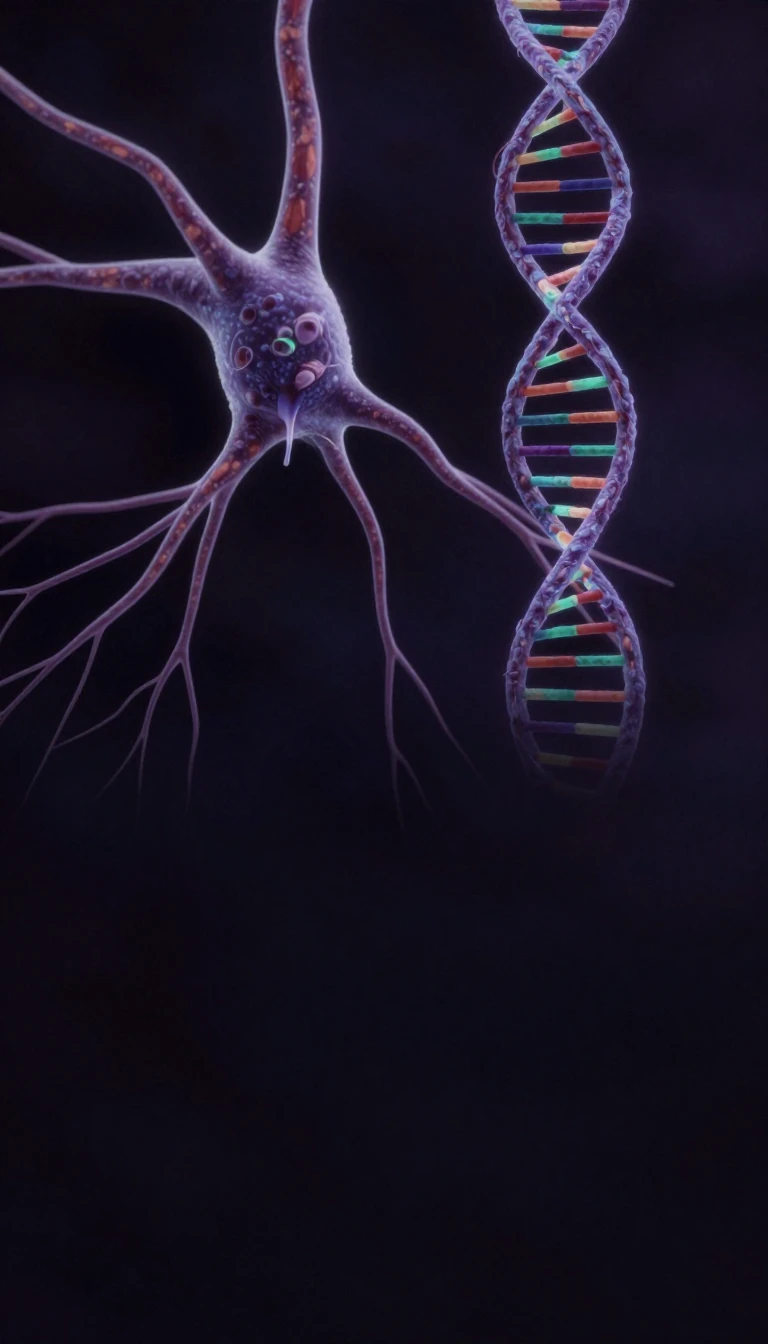 Life is a relationship among molecules, not a property of any single oneSystems biology treats living organisms as integrated networks rather than collections of isolated parts. By shifting focus from individual genes or proteins to the complex intera…
 A taxon is more than just a name; it is a map of life.In biology, a taxon is a group of organisms recognized as a distinct unit. While these groupings help us organize the natural world, they are often contested. Modern scientists in…
 Trace fossils reveal the ancient history of life through behavior rather than body parts.While most people look for bones or shells, paleontologists often find more truth in the tracks, burrows, and waste left behind by ancient creatures. These trace fossils provide a…
 Why the term missing link is a scientific misnomer for evolutionary historyTransitional fossils are not missing links, but rather snapshots of life that bridge the anatomical gaps between major groups. While popular culture views evolution as a linear ch…
 Why the suffix on a scientific name tells you exactly where it fitsIn the vast hierarchy of biological classification, the tribe sits quietly between the genus and the family. While these groupings help scientists organize life, identifying them …
 Why every biological family name is anchored to a single, specific genusIn the complex world of biological classification, names are not arbitrary. Every family-group taxon is tethered to a single, name-bearing genus known as the type genus. This foun…
- How a single physical specimen anchors the scientific name of an entire species forever.Naming a species is a permanent commitment that links a name to a physical reference point. Scientists use a type specimen—a single, designated individual—to define a species. Thi…
 Are viruses alive? The strange, invisible agents that defy traditional biological classificationViruses occupy a unique taxonomic position, existing as neither plants, animals, nor bacteria. Because they cannot reproduce or carry out metabolic processes without a host cell, …