Petrified wood is not just a fossil; it is a three-dimensional stone replica.
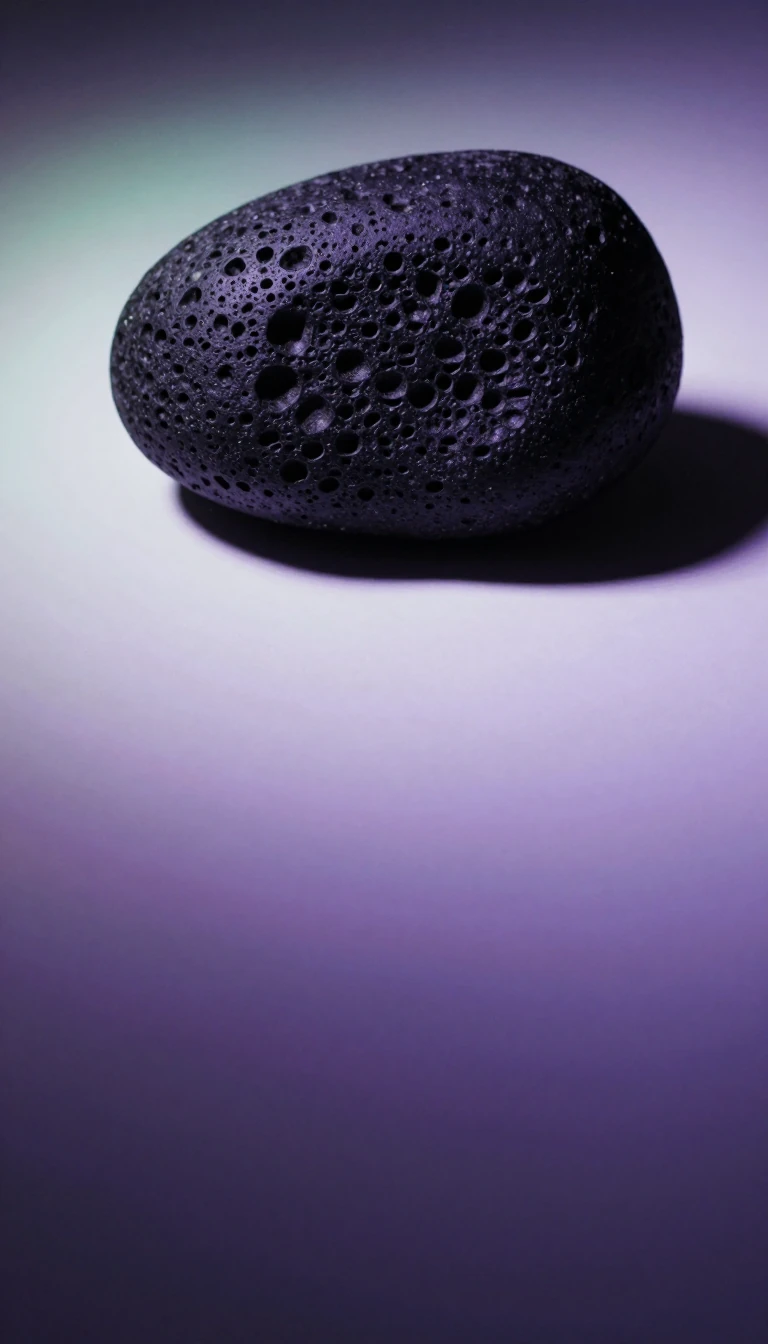
In short: When trees are buried in volcanic ash or mineral-rich water, they undergo a remarkable transformation. Instead of rotting away, their organic tissues are replaced by stone, creating a durable, three-dimensional replica of the original plant. This process, known as petrifaction, preserves cellular details that have lasted for millions of years.
Petrifaction is a complex mineralization process that occurs when wood is buried in environments low in oxygen, such as volcanic ash beds or delta sediments. This lack of oxygen prevents aerobic decomposition, allowing minerals—most commonly silica—to infiltrate the plant's structure. As the wood's cellulose and lignin slowly decay, minerals precipitate out of solution, acting as a template that preserves the original cellular architecture with high fidelity.
The transformation is a race against decay. While most organic matter eventually disappears, leaving behind only about 10% of the original material, the silica binds to cell walls through hydrogen bonding. This creates a durable stone cast that can survive for hundreds of millions of years. While silica is the primary agent, other minerals like calcite or pyrite can also facilitate the process, sometimes resulting in the accumulation of heavy metals like uranium or germanium within the fossilized remains.
The resulting petrified wood serves as a vital record for paleontologists. Some sites, like the Amethyst Ridge at Yellowstone, contain dozens of successive forest ecosystems buried by ancient eruptions. Others, like the Rhynie Chert, provide exquisite detail on the early evolution of land plants. Because these fossils are so durable, they often outlast the sedimentary layers that once protected them, eventually being revealed by erosion as stone monuments to ancient, long-lost forests.
While scientists have attempted to replicate this process in laboratories using chemicals like tetraethyl orthosilicate, the natural phenomenon remains a subject of ongoing research. Whether the silica deposits initially as opal or directly as quartz is still debated. Regardless, these stone forests offer a unique window into the past, ranging from the Devonian period—when woody plants first appeared on land—to the present day.
Opens the Intellect+ feed with this card first. Swipe up for the next one.
Sources
- Summary by Intellect · source: Petrified wood
To cite this card, link to https://intellectplus.co.uk/app/science-petrified-wood.
How we source, check and correct cards: Editorial standards.
General information, not professional advice. Spotted an error? Flag the card or see corrections and complaints.
Intellect Plus is a visual educational discovery platform for exploring fascinating facts and ideas. Brain Food, Not Brain Rot. What is Intellect Plus?
Related
More in Biology basics · More in Science · Latest · A–Z · All topics
