Why industrial giants use vacuum pressure to boil liquids without extreme heat
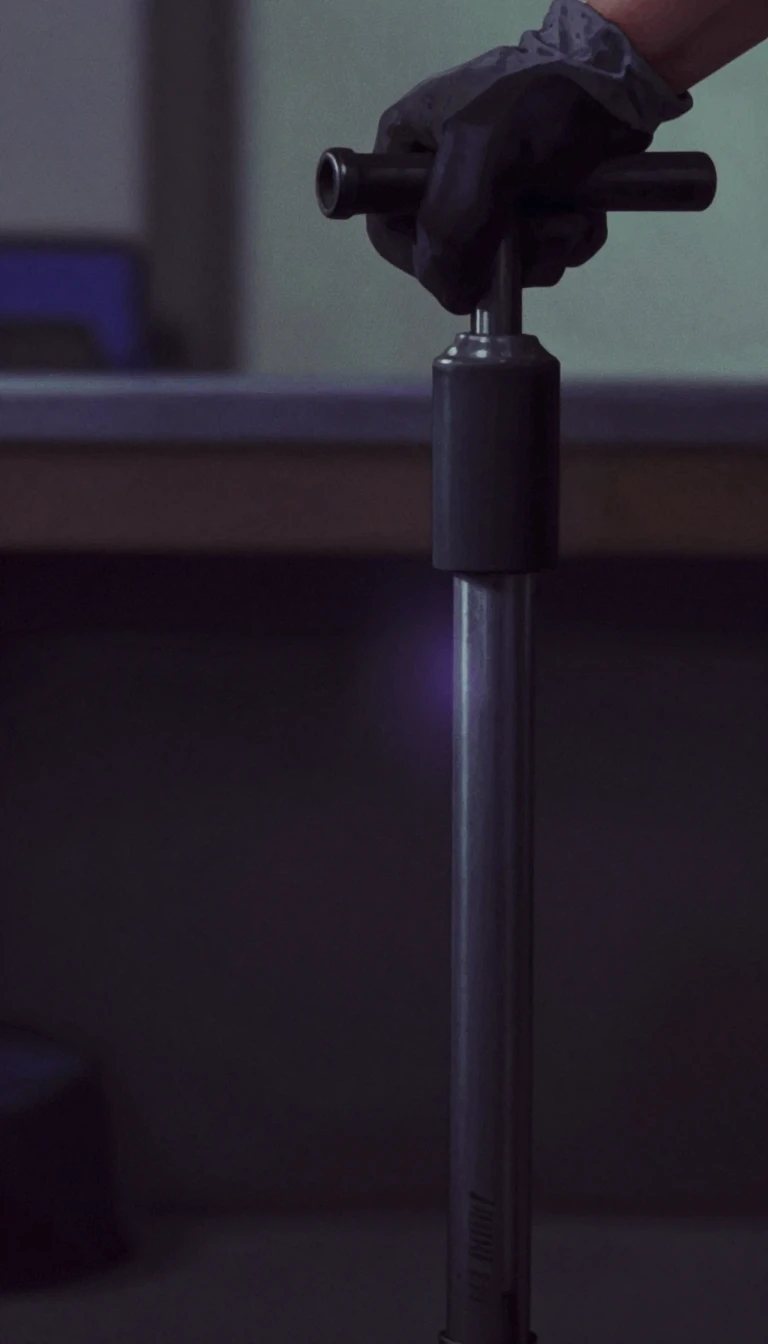
In short: Distilling complex mixtures often risks thermal damage, as high temperatures can cause unwanted chemical reactions or decomposition. By lowering the atmospheric pressure inside a vessel, engineers can drop a substance's boiling point significantly. This allows for the separation of delicate compounds that would otherwise be destroyed by conventional heating methods.
At the heart of vacuum distillation lies a simple physical principle: boiling points are not fixed but vary with pressure. In petroleum refining, crude oil must be processed without exceeding temperatures of 370 to 380 degrees Celsius. Beyond this threshold, heavy hydrocarbons undergo thermal cracking, forming petroleum coke that clogs furnace tubes and piping. To extract further value from the residual oil left after atmospheric distillation, refineries operate vacuum columns at pressures between 10 and 40 mmHg. This reduced pressure environment allows the remaining components to boil at safe temperatures, preventing the formation of damaging coke.
The physical scale of this process is immense. Because low pressure increases the volume of vapor produced per unit of liquid, vacuum columns require massive diameters—sometimes reaching 15 meters—to accommodate the flow. Inside, engineers prioritize minimizing pressure drops to maintain the vacuum. While distillation trays are used where products are withdrawn, the majority of the column is filled with structured or random packing material, which offers less resistance to vapor flow than traditional trays. The vacuum itself is typically maintained by multi-stage steam jet ejectors.
Beyond heavy industry, the technique is essential for precision and safety. In laboratories, rotary evaporation uses vacuum pressure to isolate volatile solvents, while molecular distillation—operating below 0.01 torr—relies on molecular dynamics rather than fluid flow to purify oils. Even desalination plants use vacuum distillation to produce fresh water from the ocean, often recycling heat through condensation to improve efficiency. Whether it is a massive oil refinery or a craft distillery experimenting with new flavors, the ability to manipulate boiling points through pressure remains a cornerstone of modern chemical separation.
Opens the Intellect+ feed with this card first. Swipe up for the next one.
Sources
- Summary by Intellect · source: Vacuum distillation
To cite this card, link to https://intellectplus.co.uk/app/science-vacuum-distillation.
How we source, check and correct cards: Editorial standards.
General information, not professional advice. Spotted an error? Flag the card or see corrections and complaints.
Intellect Plus is a visual educational discovery platform for exploring fascinating facts and ideas. Brain Food, Not Brain Rot. What is Intellect Plus?
Related
More in Separation processes · More in Science · Latest · A–Z · All topics
