Earth's seasons come from its tilt, not its distance from the Sun
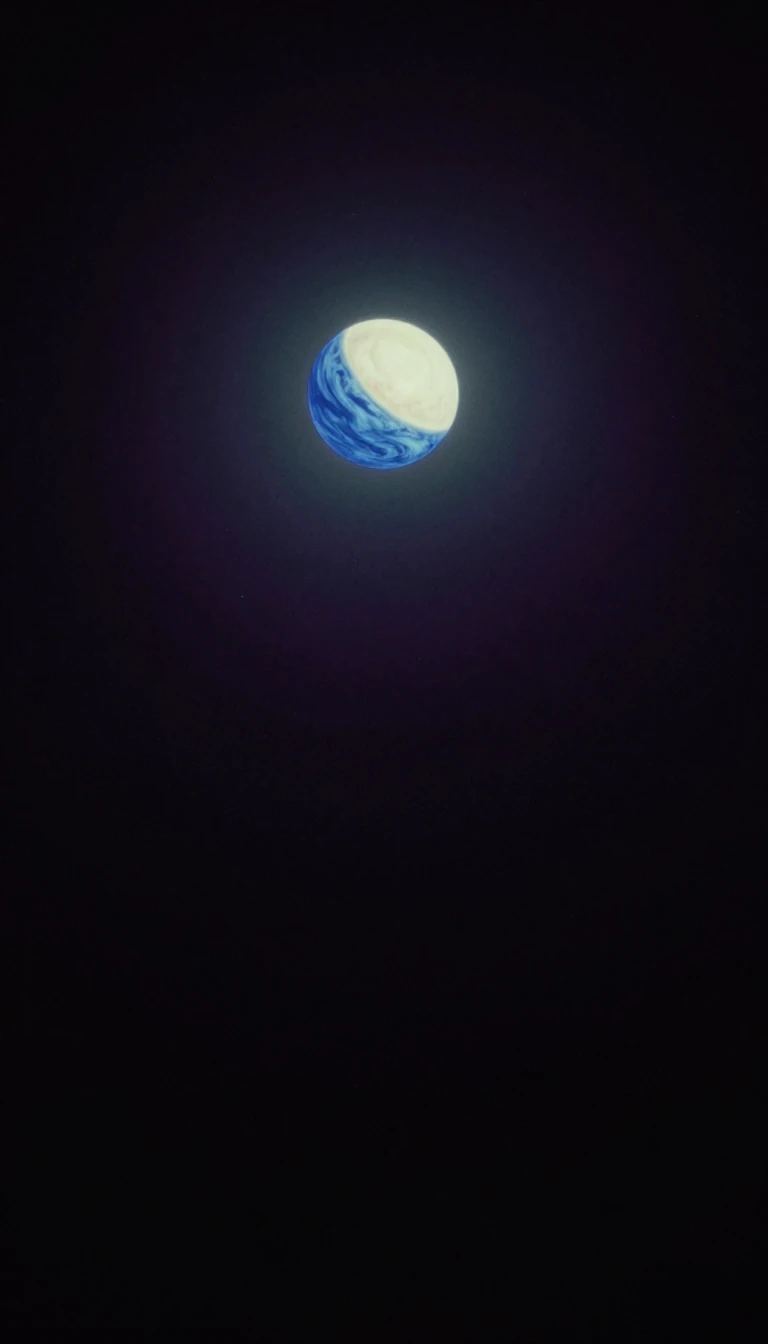
In short: Many people assume seasons happen because Earth swings closer to and farther from the Sun. The real driver is the planet's axial tilt of about 23.4 degrees. Earth actually sits closest to the Sun in early January, during Northern Hemisphere winter, which overturns the common picture and shows how a simple geometric fact shapes life on the planet.
Earth rotates on an axis tilted by about 23.4 degrees relative to the plane of its orbit around the Sun. That tilt keeps pointing in roughly the same direction as the planet travels around the Sun, so each hemisphere leans toward the Sun for part of the year and away from it for the rest. When the Northern Hemisphere leans toward the Sun, its days grow longer and sunlight arrives more directly, bringing summer. The Southern Hemisphere experiences the reverse, which is why the two hemispheres always have opposite seasons.
The angle of incoming sunlight matters as much as the length of the day. When the Sun sits low in the sky during the winter months, its energy is spread across a wider patch of ground, so the light is more oblique and weaker. Taken together, these two effects account for most of the seasonal climate variation in both hemispheres. The tilt also explains the solstices and equinoxes, which divide the year into four roughly equal parts, with the Northern Hemisphere's winter solstice falling near 21 December and its summer solstice near 21 June.
Distance from the Sun plays only a small role. Earth's orbit is a slightly oval ellipse, and the planet reaches its closest approach in January and its farthest point in July. This slightly works against the seasonal temperature pattern in the Northern Hemisphere, and the overall effect amounts to a variation of about 7 percent in sunlight received. Research indicates that the planet as a whole is in fact a little warmer when it is farther away, largely because the Northern Hemisphere has more land, which heats up more readily than sea. Local seasonal weather also depends on nearby oceans, prevailing winds and cycles such as El Nino. Cultures have defined seasons in different ways, from the four Gregorian seasons common in temperate regions to the flood, growth and low-water seasons of ancient Egypt.
Opens the Intellect+ feed with this card first. Swipe up for the next one.
Sources
- Summary by Intellect · source: Planet Earth: Facts About Its Orbit, Atmosphere & Size
- Also: Earth's orbit - Wikipedia
- Also: Earth
- Also: Season
To cite this card, link to https://intellectplus.co.uk/app/science-what-causes-the-seasons-on-earth.
How we source, check and correct cards: Editorial standards.
General information, not professional advice. Spotted an error? Flag the card or see corrections and complaints.
Intellect Plus is a visual educational discovery platform for exploring fascinating facts and ideas. Brain Food, Not Brain Rot. What is Intellect Plus?
Related
More in Researched · More in Science · Latest · A–Z · All topics
