Thunder is the shockwave of a lightning bolt, not the sound of clouds colliding
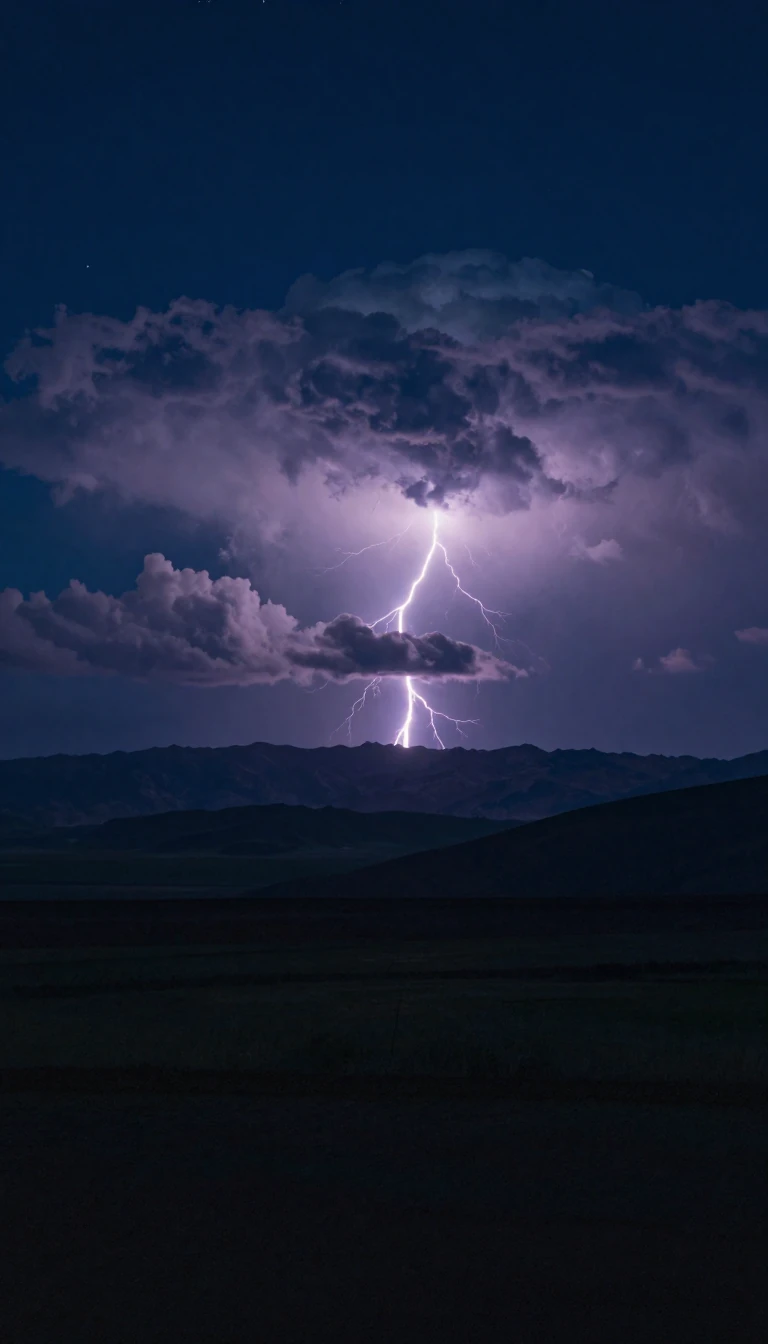
In short: A lightning bolt superheats its channel to tens of thousands of degrees in a fraction of a second. The violent expansion of that air is what you hear as thunder. Earlier generations blamed clouds crashing together. The actual mechanism is more interesting, and it explains why a storm's rumble can roll on for so long.
A lightning flash begins with a stepped leader, a channel of negative charge that zigzags toward the ground in short steps too quick for the eye to follow. As it nears the ground, streamers of positive charge rise to meet it. When they connect, a powerful return stroke races back up the channel at around 60,000 miles per second, and that is the bright flash people see. The return stroke carries enormous energy. It heats the air in the channel to more than 50,000 degrees Fahrenheit almost instantly. Because the air has no time to expand while it is heating, it becomes extremely compressed, and that pressure pushes outward into the surrounding air. Close to the channel this disturbance behaves as a shock wave, and farther out it becomes an ordinary sound wave.
Thunder also seems to go on because the lightning channel is long. Each point along it produces its own sound, so what reaches you is a blend of waves from different parts of the channel. A sharp crack usually means the strike passed close by, while a low rumble suggests it was several miles away. Because sound travels far more slowly than light, you see the flash before you hear the thunder, and counting the seconds between the two gives a rough estimate of distance. Sound from a nearby strike is typically heard only out to about ten miles, and snow can muffle it further.
Estimates of the temperature inside the channel vary between sources, so treat any single figure as an approximation. Thunder and lightning remain a useful reminder of how ordinary physics turns one energetic event into a sound we can hear across a valley.
Opens the Intellect+ feed with this card first. Swipe up for the next one.
Sources
- Summary by Intellect · source: Unusual Phenomea Reports: Ball Lightning
- Also: Severe Weather 101: Lightning FAQ
- Also: www.nationalgeographic.com — Ball lightning: weird, mysterious, perplexing, and deadly
- Also: Thunder Facts for Kids
- Also: Severe Weather 101: Lightning Types
- Also: Understanding Lightning: Thunder
To cite this card, link to https://intellectplus.co.uk/app/science-what-causes-lightning-and-thunder.
How we source, check and correct cards: Editorial standards.
General information, not professional advice. Spotted an error? Flag the card or see corrections and complaints.
Intellect Plus is a visual educational discovery platform for exploring fascinating facts and ideas. Brain Food, Not Brain Rot. What is Intellect Plus?
Related
More in Researched · More in Science · Latest · A–Z · All topics
