Why white spirit is a household staple that should never be mistaken for liquor
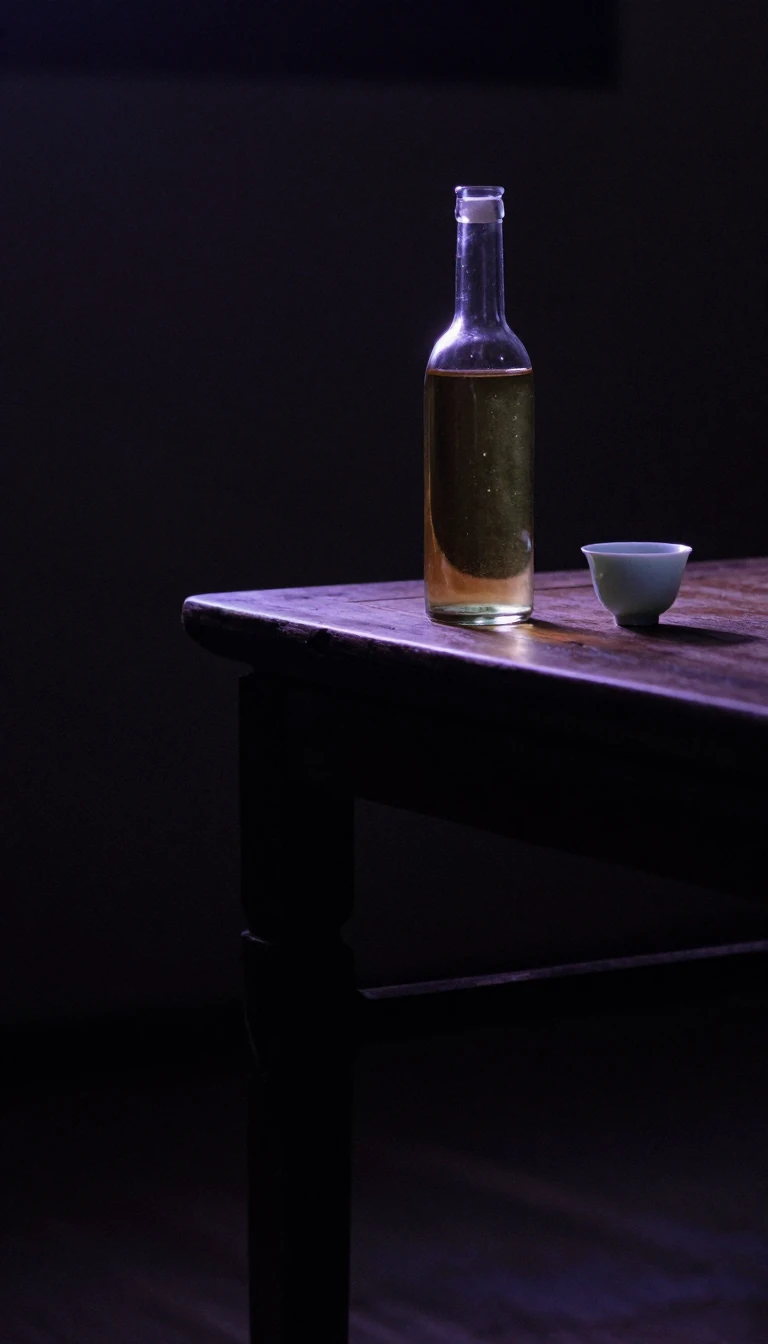
In short: Despite its misleading name, white spirit is a potent petroleum-derived solvent, not a drinkable alcohol. This clear liquid is the backbone of the paint industry, essential for thinning oils and cleaning brushes. While it excels at dissolving grease and varnish, it carries significant health risks if handled without care.
White spirit is a complex mixture of C7 to C12 hydrocarbons, primarily used as a solvent in paints, varnishes, and industrial degreasing. Its name distinguishes it from distilled alcoholic beverages and true turpentine, which is derived from tree resin. Because it is not edible, ingestion poses severe health hazards, including aspiration risks. Even its common industrial applications require caution; for instance, while it is used to clean machine tools or as a lubricant in diamond turning, it is not a safe alternative to camp fuel due to its specific flash point characteristics.
The substance is categorized into different types based on refining processes like hydrodesulfurization or hydrogenation, and grades determined by distillation conditions. Stoddard solvent, a specific hydrocarbon mixture developed in 1924 by W. J. Stoddard and Lloyd E. Jackson, became the predominant dry-cleaning agent in the United States by the late 1920s. Unlike generic turpentine substitutes, which lack standardized production and may leave oily residues, professional-grade white spirits are manufactured to strict benchmarks like the British Standard BS 245.
Chronic exposure to white spirit is a serious occupational concern, particularly for house painters. Research originating in the 1970s in Nordic countries linked long-term inhalation to chronic toxic encephalopathy, characterized by memory impairment and personality changes. Regulatory bodies like OSHA and NIOSH have established strict exposure limits to mitigate these risks. While the solvent is moderately toxic to aquatic life, it is generally considered a low environmental hazard if disposed of correctly, though it should never be poured down drains.
Opens the Intellect+ feed with this card first. Swipe up for the next one.
Sources
- Summary by Intellect · source: White spirit
To cite this card, link to https://intellectplus.co.uk/app/science-white-spirit.
How we source, check and correct cards: Editorial standards.
General information, not professional advice. Spotted an error? Flag the card or see corrections and complaints.
Intellect Plus is a visual educational discovery platform for exploring fascinating facts and ideas. Brain Food, Not Brain Rot. What is Intellect Plus?
Related
More in Organic compounds · More in Science · Latest · A–Z · All topics
