The Keihin–Tōhoku Line: A Vital Artery Connecting Tokyo, Yokohama, and Saitama's Urban Centers
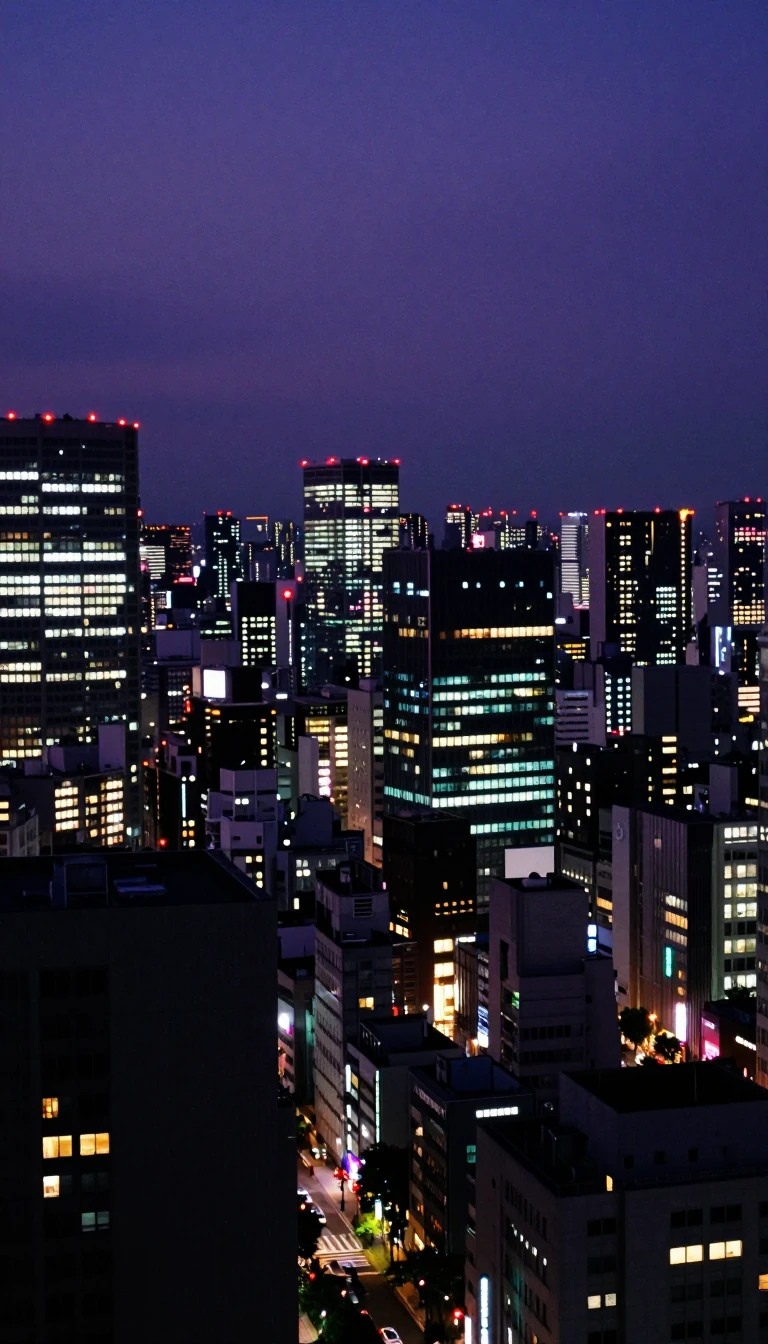
In short: Spanning from Ōmiya to Ōfuna, the Keihin–Tōhoku Line is a cornerstone of Japan's rail network. Recognized by its signature light blue stripe, this line facilitates massive daily movement across the Tokyo metropolitan area, evolving from a 1914 electric passenger service into a high-frequency, modern transit system for millions of commuters.
The Keihin–Tōhoku Line, operated by JR East, derives its name from the cities of Tokyo and Yokohama, alongside the Tōhoku Main Line. Its history dates back to 20 December 1914, when it launched as an electrified passenger route between Shinagawa and Takashimacho. Over the following decades, the line expanded significantly, reaching Akabane in 1928 and Ōmiya in 1932. Today, it typically operates as the Keihin–Tōhoku–Negishi Line, providing a continuous service between Ōmiya and Ōfuna.
Operational efficiency is central to the line's function. During peak hours, trains arrive every 2–3 minutes, transitioning to a 5–6 minute interval during the day. While local trains stop at every station, the line implements a 'Rapid' service during daytime hours (10:30–15:30) to bypass certain stops in central Tokyo, easing congestion along the parallel Yamanote Line corridor. This rapid service, introduced in 1988, has seen various adjustments, such as the inclusion of Kanda Station in 2015.
The rolling stock has undergone numerous transformations, moving from the 72 series used until 1970 to the current E233-1000 series 10-car electrical multiple units, which were fully phased in by January 2010. The infrastructure itself continues to adapt to urban growth; for instance, Takanawa Gateway Station opened in 2020 as part of a major railyard redevelopment. Looking toward the future, JR East has announced plans for a trial of BMI-indexed ticketing, expected to begin in fiscal 2028, reflecting the line's ongoing role as a site for transit innovation.
Opens the Intellect+ feed with this card first. Swipe up for the next one.
Sources
- Summary by Intellect · source: Keihin–Tōhoku Line
To cite this card, link to https://intellectplus.co.uk/app/society-keihin-t-hoku-line.
How we source, check and correct cards: Editorial standards.
General information, not professional advice. Spotted an error? Flag the card or see corrections and complaints.
Intellect Plus is a visual educational discovery platform for exploring fascinating facts and ideas. Brain Food, Not Brain Rot. What is Intellect Plus?
Related
More in Railways · More in Society · Latest · A–Z · All topics
