The Japanese railway line that exists without owning a single inch of track
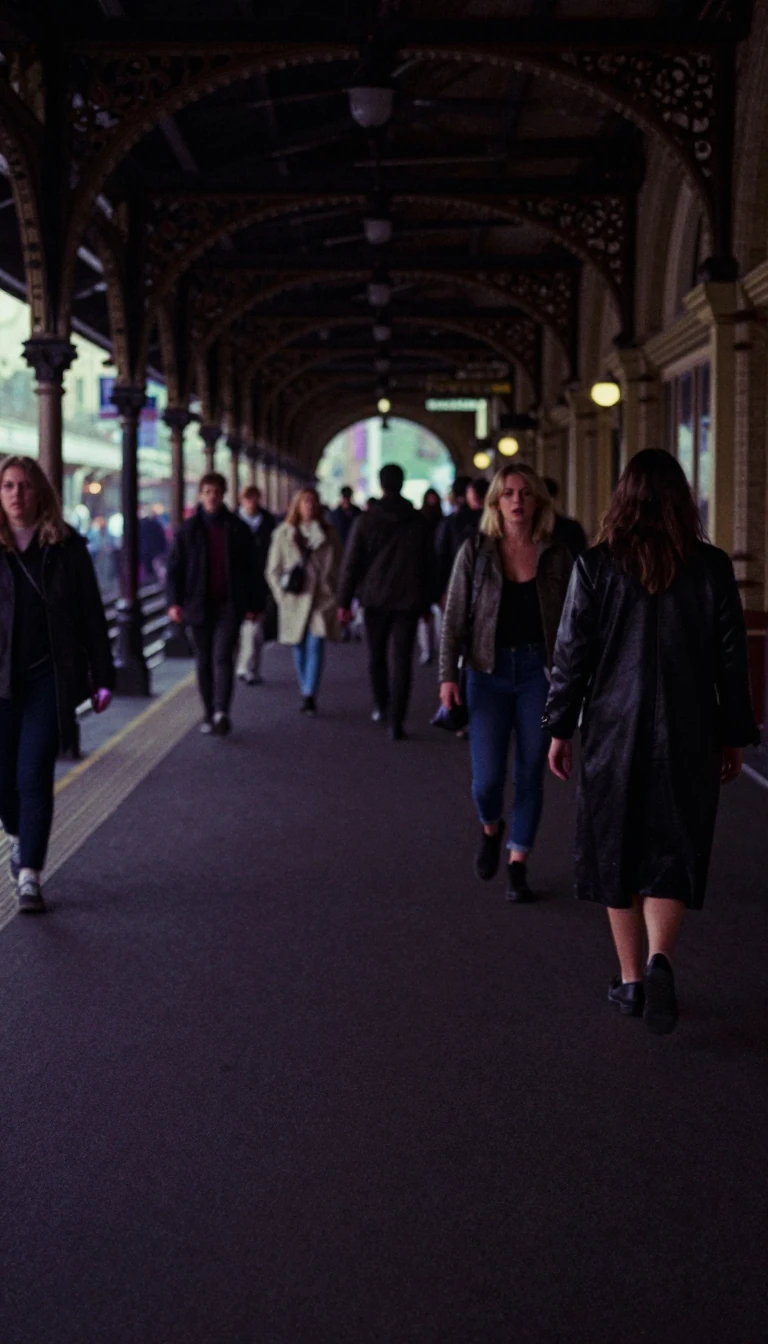
In short: The Shōnan–Shinjuku Line is a phantom network. Launched in 2001, it operates as a distinct passenger service across Tokyo, yet it relies entirely on shared infrastructure. By weaving through six different existing lines, it creates a seamless north-south corridor that defies the traditional concept of a dedicated railway route.
The Shōnan–Shinjuku Line, which began operations in December 2001, functions as a high-frequency passenger service that operates without its own dedicated track. Instead, it utilizes shared sections of the Ryōmō, Takasaki, Utsunomiya, Yamanote freight, Yokosuka, and Tōkaidō Main Lines. Despite this lack of proprietary infrastructure, the service is clearly distinguished on railway maps and at stations, providing a vital transit artery that connects the northern suburbs of the Kantō region with the southern coastal areas.
Operational complexity is managed through a sophisticated system of train coupling and division. Many services utilize 15-car sets that are split or joined at specific stations like Koganei or Kagohara, allowing for flexible capacity management. During peak periods, frequencies increase to two or three trains per hour, replacing older rapid services that previously terminated at Ueno. The rolling stock has evolved significantly since the line's inception; while early operations used a mixture of models, the fleet was standardized on E231-1000 series EMUs by 2004, with E233-3000 series sets introduced in March 2015.
Navigation is simplified for passengers through color-coded LED displays on the E233 series trains, which indicate the specific service pattern. For example, special rapid services are marked in blue, while other routes shift between orange and green depending on the section of the track being traversed. In August 2016, the system further integrated by introducing station numbering, ranging from JS06 to JS24, with numbers increasing toward the northbound direction at Ōmiya. This network remains distinct from the Ueno-Tokyo Line, which serves the eastern side of central Tokyo, and competes with other transit options like the F Liner for passengers traveling between major hubs such as Shibuya, Shinjuku, and Yokohama.
Opens the Intellect+ feed with this card first. Swipe up for the next one.
Sources
- Summary by Intellect · source: Shōnan–Shinjuku Line
To cite this card, link to https://intellectplus.co.uk/app/society-sh-nan-shinjuku-line.
How we source, check and correct cards: Editorial standards.
General information, not professional advice. Spotted an error? Flag the card or see corrections and complaints.
Intellect Plus is a visual educational discovery platform for exploring fascinating facts and ideas. Brain Food, Not Brain Rot. What is Intellect Plus?
Related
More in Railways · More in Society · Latest · A–Z · All topics
