From the Milky Way to the edge of time, the universe hums in radio
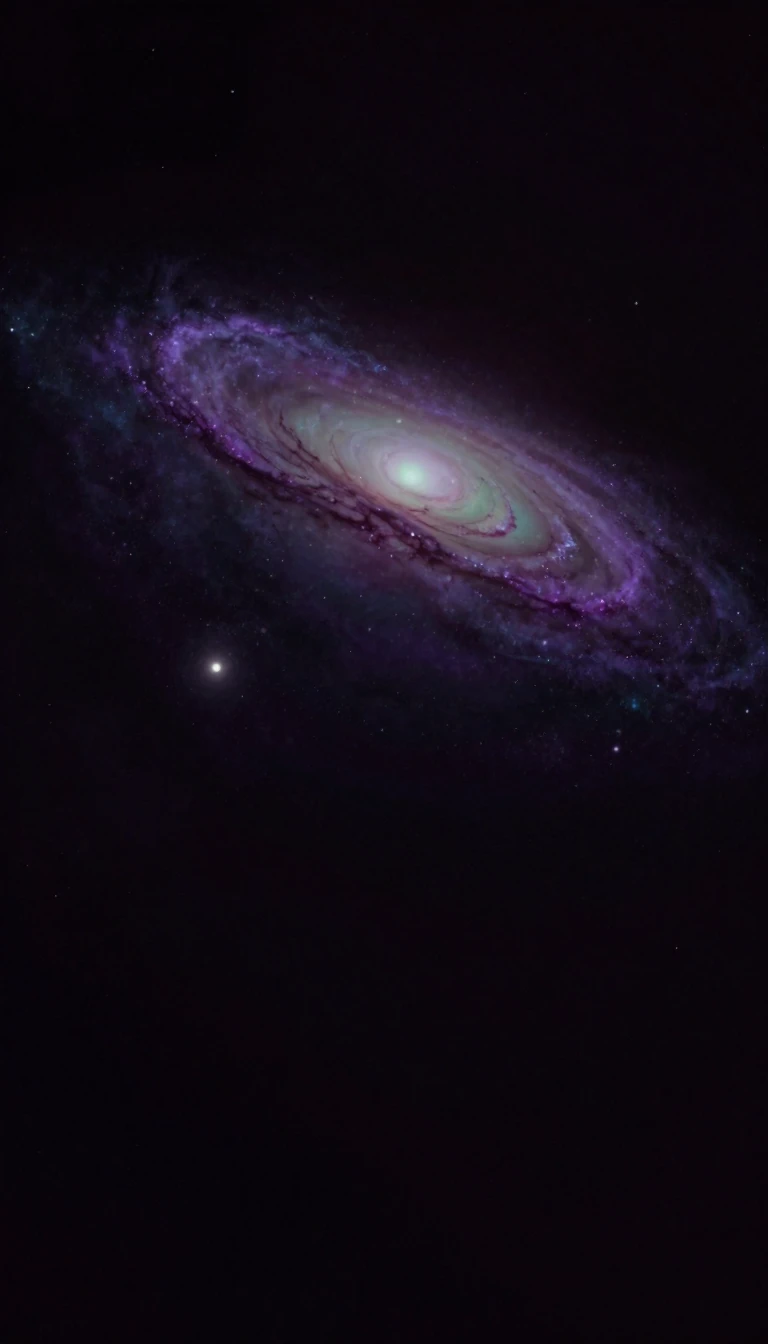
In short: In 1931, a radio engineer discovered static coming from the center of our galaxy, revealing that space is not silent. Today, we know the cosmos is filled with radio waves emitted by everything from spinning neutron stars to distant quasars, providing a window into the most energetic processes in existence.
The field of radio astronomy began when Karl Jansky detected extraterrestrial radio waves in 1931, later identified as originating from the center of the Milky Way. By the end of the 1940s, astronomers had cataloged about half a dozen discrete sources. This number exploded over the following decades; within 40 years, researchers had identified approximately 100,000 distinct radio sources across the sky.
Radio emissions from space generally fall into two categories: continuum and line radiation. Continuum radiation, often generated by synchrotron emission—where electrons spiral through magnetic fields at near-light speeds—is produced by objects like supernova remnants, pulsars, and powerful radio galaxies. In contrast, line radiation occurs at specific wavelengths, such as the 21-centimetre line emitted by neutral hydrogen. Since its detection in 1951, scientists have identified over 200 molecules and radicals in space, often found in the cold, dense clouds where stars are born.
The most extreme emitters are extragalactic. Radio galaxies can be 1,000,000 times more powerful than spiral systems, releasing vast amounts of energy from lobe-shaped regions. Quasars, discovered in the early 1960s, represent another class of intense, starlike radio sources. Beyond these discrete objects, the entire universe is bathed in the cosmic microwave background—a faint, uniform glow discovered in 1965 that serves as a remnant of the primordial fireball from the Big Bang, occurring more than 13 billion years ago.
Opens the Intellect+ feed with this card first. Swipe up for the next one.
Sources
- Summary by Intellect · source: Radio source | Definition & Facts | Britannica
- Also: Astronomical radio source
To cite this card, link to https://intellectplus.co.uk/app/space-astronomical-radio-source.
How we source, check and correct cards: Editorial standards.
General information, not professional advice. Spotted an error? Flag the card or see corrections and complaints.
Intellect Plus is a visual educational discovery platform for exploring fascinating facts and ideas. Brain Food, Not Brain Rot. What is Intellect Plus?
Related
More in Observational astronomy · More in Space · Latest · A–Z · All topics
