Radio astronomy allows us to observe the universe through invisible, high-energy cosmic signals.
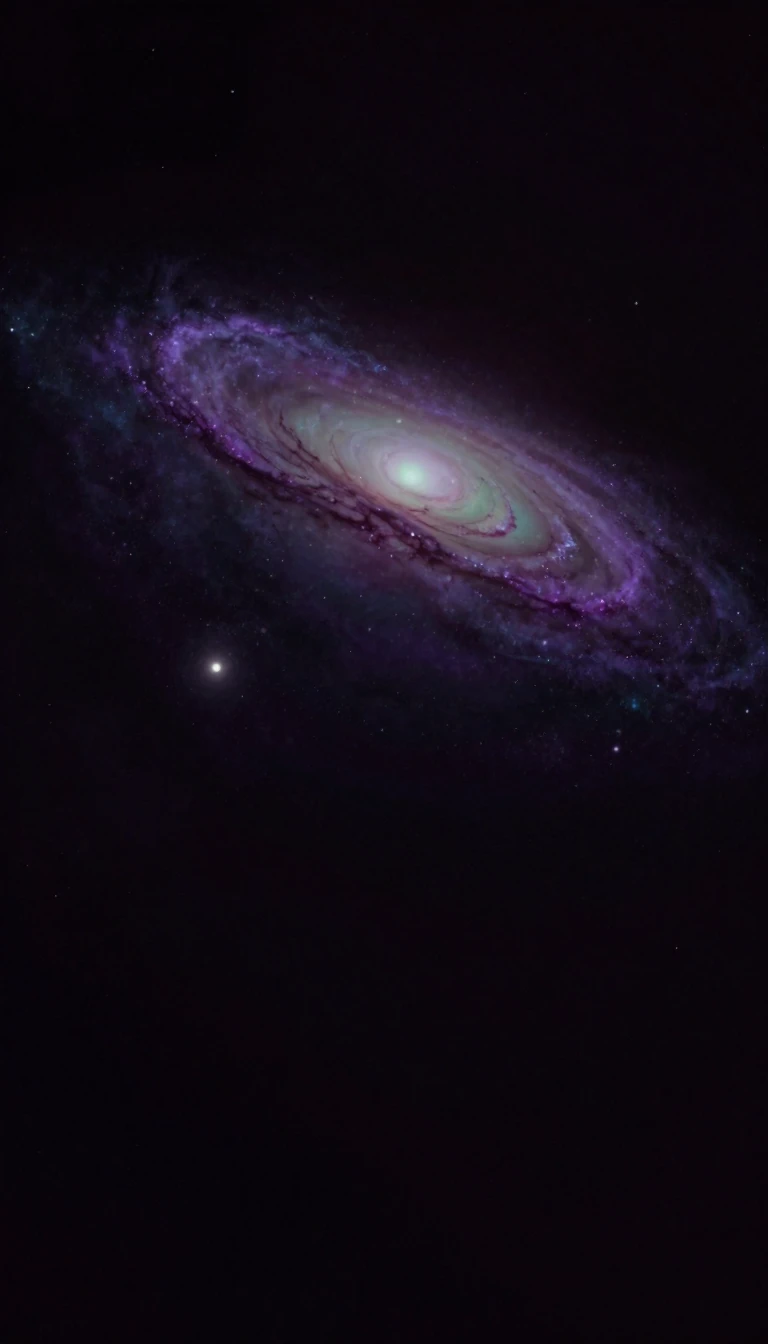
In short: Radio astronomy reveals celestial phenomena invisible to optical telescopes, from the cosmic microwave background to supermassive black holes. By capturing radio waves rather than light, astronomers can study the most energetic processes in the universe, effectively turning the entire Earth into a giant, high-resolution synthetic telescope for deep space exploration.
Radio astronomy began in 1933 when Karl Jansky, a Bell Labs engineer, identified a persistent hiss while investigating interference for transatlantic voice transmissions. By tracking the signal's 23-hour and 56-minute cycle—the exact length of a sidereal day—Jansky realized the source was extraterrestrial, originating from the dense center of the Milky Way. This discovery eventually led to the identification of Sagittarius A*, a region now understood to be a supermassive black hole.
Because radio waves have much longer wavelengths than visible light, single radio telescopes require massive diameters to achieve high angular resolution. To overcome this, astronomers developed interferometry, a technique that links multiple antennas to simulate a single, much larger aperture. By superposing signal waves from different locations, researchers can cancel out noise and amplify desired data. This method evolved into very-long-baseline interferometry (VLBI), where telescopes across continents are synchronized using atomic clocks to create an effective aperture the size of the Earth.
The field is constrained by the Earth's atmosphere, specifically the ionosphere, which reflects low-frequency waves, and water vapor, which interferes with high-frequency observations. Consequently, observatories are often situated in remote, high, and dry locations. Modern advancements now allow for real-time data correlation via high-bandwidth networks, known as e-VLBI, enabling scientists to map the radio sky with unprecedented precision and sensitivity, uncovering objects like pulsars, quasars, and radio galaxies that remain hidden to optical instruments.
Opens the Intellect+ feed with this card first. Swipe up for the next one.
Sources
- Summary by Intellect · source: Radio astronomy
To cite this card, link to https://intellectplus.co.uk/app/space-radio-astronomy.
How we source, check and correct cards: Editorial standards.
General information, not professional advice. Spotted an error? Flag the card or see corrections and complaints.
Intellect Plus is a visual educational discovery platform for exploring fascinating facts and ideas. Brain Food, Not Brain Rot. What is Intellect Plus?
Related
More in Observational astronomy · More in Space · Latest · A–Z · All topics
