Circumstellar discs are the cosmic nurseries where planets are born and stars are fed.
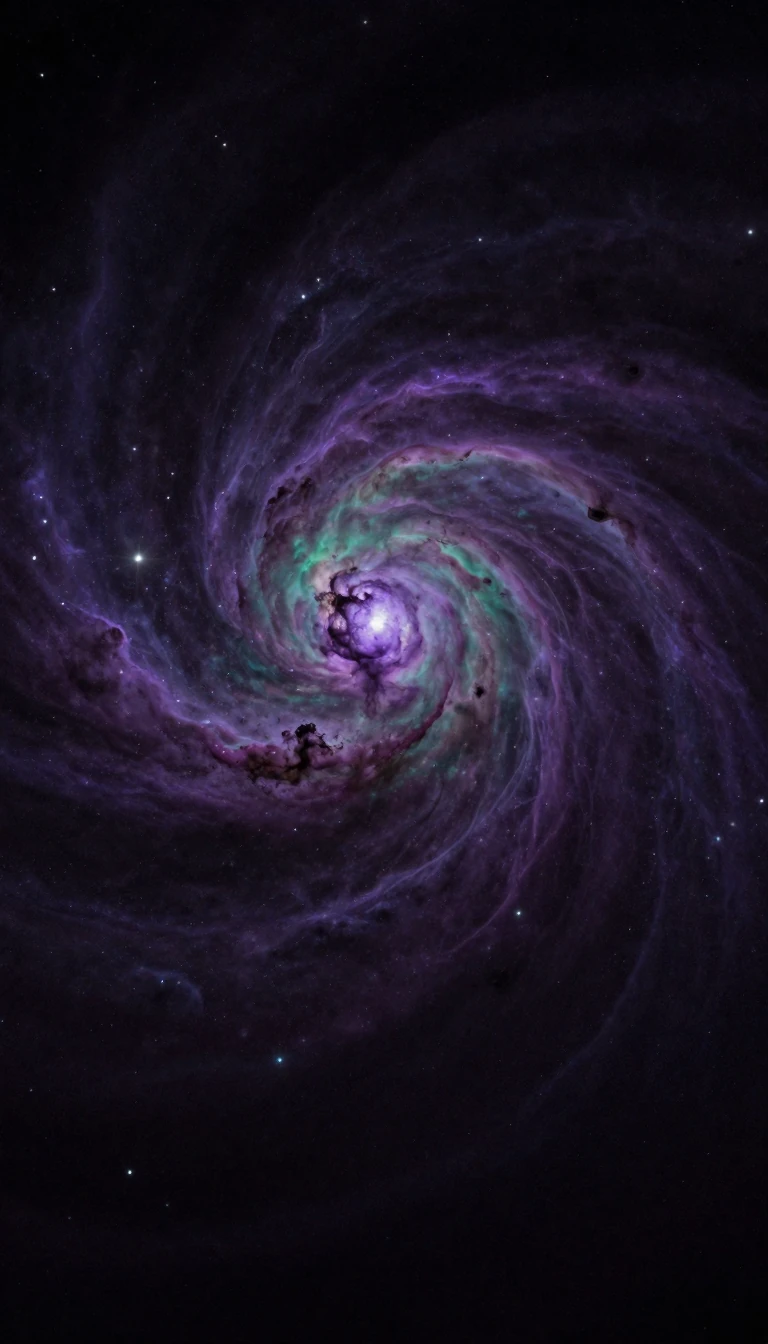
In short: These rotating rings of gas and dust surround stars, acting as both a fuel source for stellar growth and the raw material for planetary systems. From the chaotic formation of protostars to the lingering debris of ancient solar systems, these discs reveal the hidden history of our own cosmic neighborhood.
A circumstellar disc is a structure of gas, dust, and planetesimals orbiting a star. During the early stages of star formation, these discs are massive, protoplanetary reservoirs that feed the central protostar. As the system matures, the disc cools, allowing dust grains to coagulate into larger bodies. This process is a natural consequence of star formation, with Sun-like stars taking roughly 100 million years to fully develop.
The evolution of these discs is marked by distinct stages. Protoplanetary discs contain abundant primordial material, while transition discs show a significant reduction in gas and dust. Eventually, systems reach the debris disc stage, characterized by tenuous, second-generation dust produced by collisions. Observations of material dissipation in transition discs suggest that the average lifespan of a circumstellar disc is approximately 10 million years, though the exact mechanisms driving this dispersion—such as photoevaporation or grain growth—remain subjects of ongoing research.
Binary star systems introduce complex dynamics, often forming circumbinary discs that orbit both stars. These systems create inner cavities through spiral density waves, and the accretion of material onto the stars is governed by the binary's orbital period. While it was once thought that these discs inevitably caused orbital decay, modern understanding suggests that accretion can sometimes lead to increased separation between the stars. Furthermore, gravitational torques can warp or tilt these discs, leading to periodic phenomena like the X-ray blockages observed in systems such as Her X-1.
The study of these discs extends to our own Solar System, where the asteroid belt and the zodiacal cloud serve as remnants of this process. By analyzing the radiation emitted from different regions of a disc—from the hot, near-infrared inner regions to the cold, millimeter-wave outer reaches—astronomers can map the dissipation of material across vast distances, providing a window into the long-term evolution of planetary systems.
Opens the Intellect+ feed with this card first. Swipe up for the next one.
Sources
- Summary by Intellect · source: Circumstellar disc
To cite this card, link to https://intellectplus.co.uk/app/space-circumstellar-disc.
How we source, check and correct cards: Editorial standards.
General information, not professional advice. Spotted an error? Flag the card or see corrections and complaints.
Intellect Plus is a visual educational discovery platform for exploring fascinating facts and ideas. Brain Food, Not Brain Rot. What is Intellect Plus?
Related
More in Stellar astronomy · More in Space · Latest · A–Z · All topics
