The British 'Biggles in Space' and the birth of high-fidelity sci-fi
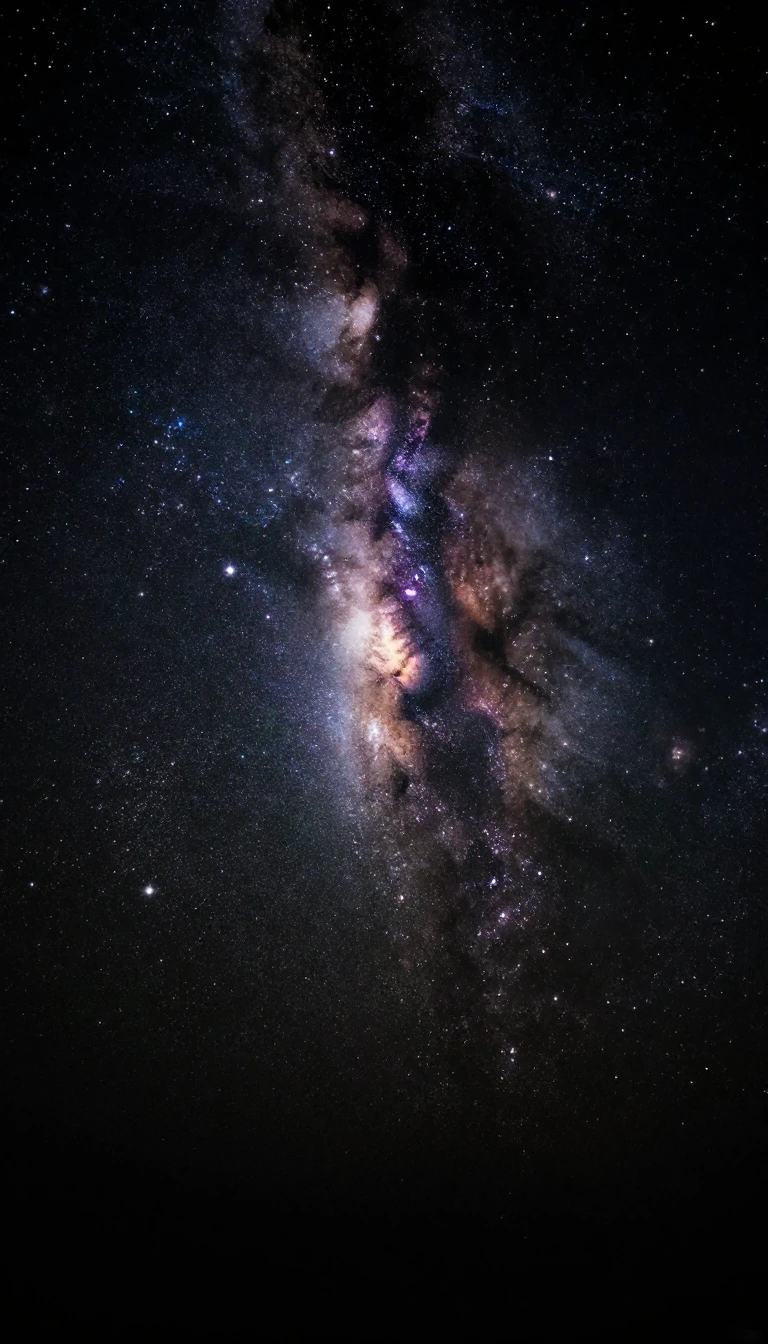
In short: Before the 1960s space probes revealed the solar system's true, desolate nature, Dan Dare offered a vision of vibrant alien life. This wasn't just a comic; it was a meticulously engineered production featuring scale models, scientific advisors, and a production line that mirrored the industrial scale of mid-century filmmaking.
Created by illustrator Frank Hampson in 1950, Dan Dare debuted in the weekly magazine Eagle. Unlike the whimsical stories of the era, Dare was distinguished by long, complex narratives and high-quality artwork produced in a dedicated studio called the Old Bakehouse. To ensure visual consistency, the production team utilised scale models of spaceships and costumed models as references. The magazine even featured 'centrefolds' of ships like the Anastasia, mimicking the technical cutaway drawings found in aviation journals.
The series was notable for its commitment to scientific plausibility. For the first six months, the young Arthur C. Clarke served as a science and plot adviser. The stories were primarily set on planets within our Solar System—worlds assumed to host extraterrestrial life before the 1960s proved many were lifeless. This grounded approach combined with a visual style reminiscent of British war films, leading many to describe the hero as 'Biggles in Space' or the British equivalent of Buck Rogers.
The production was so demanding that Hampson suffered two serious health breakdowns. During these periods, the series was maintained by assistants like Harold Johns and Don Harley. The narrative also evolved significantly; in 1955, it expanded beyond the Solar System for the first time. While the aesthetic shifted in 1960 from colourful, rounded rockets to angular silver craft under artist Frank Bellamy, the legacy of Dare remains a landmark in the transition from pulp fantasy to structured, 'hard' science fiction.
theme-perspective mood-awe difficulty-2 topics-["science-fiction", "british-culture", "space-exploration"]
claims-["Dan Dare debuted in the Eagle magazine in 1950", "Arthur C.
canvas-timeline-["1950": "Dan Dare appears on the cover of the first issue of Eagle", "1951-1956": "The stories are dramatized seven times a week on Radio Luxembourg", "1952": "Hampson suffers a health breakdown after two episodes of 'Marooned on Mercury'", "1953": "Hampson returns to start 'Operation Saturn' but suffers a relapse after 20 weeks", "1955": "Hampson returns full-time to start 'The Man from Nowhere' trilogy", "1959": "Hampson leaves the strip due to owner objections regarding studio costs and story complexity", "1960": "Artwork is taken over by Frank Bellamy, changing the look to angular silver craft", "1967": "The strip ends with Dan Dare retiring to become Space Fleet controller", "2017": "Titan Comics publishes a new interpretation of Dan Dare", "2026": "A new graphic novel titled First Contact is scheduled for publication"]
Opens the Intellect+ feed with this card first. Swipe up for the next one.
Sources
- Summary by Intellect · source: Dan Dare
To cite this card, link to https://intellectplus.co.uk/app/space-dan-dare.
How we source, check and correct cards: Editorial standards.
General information, not professional advice. Spotted an error? Flag the card or see corrections and complaints.
Intellect Plus is a visual educational discovery platform for exploring fascinating facts and ideas. Brain Food, Not Brain Rot. What is Intellect Plus?
Related
More in Astronauts · More in Space · Latest · A–Z · All topics
