The Moon's far side is not dark, but it is a rugged, cratered mystery.
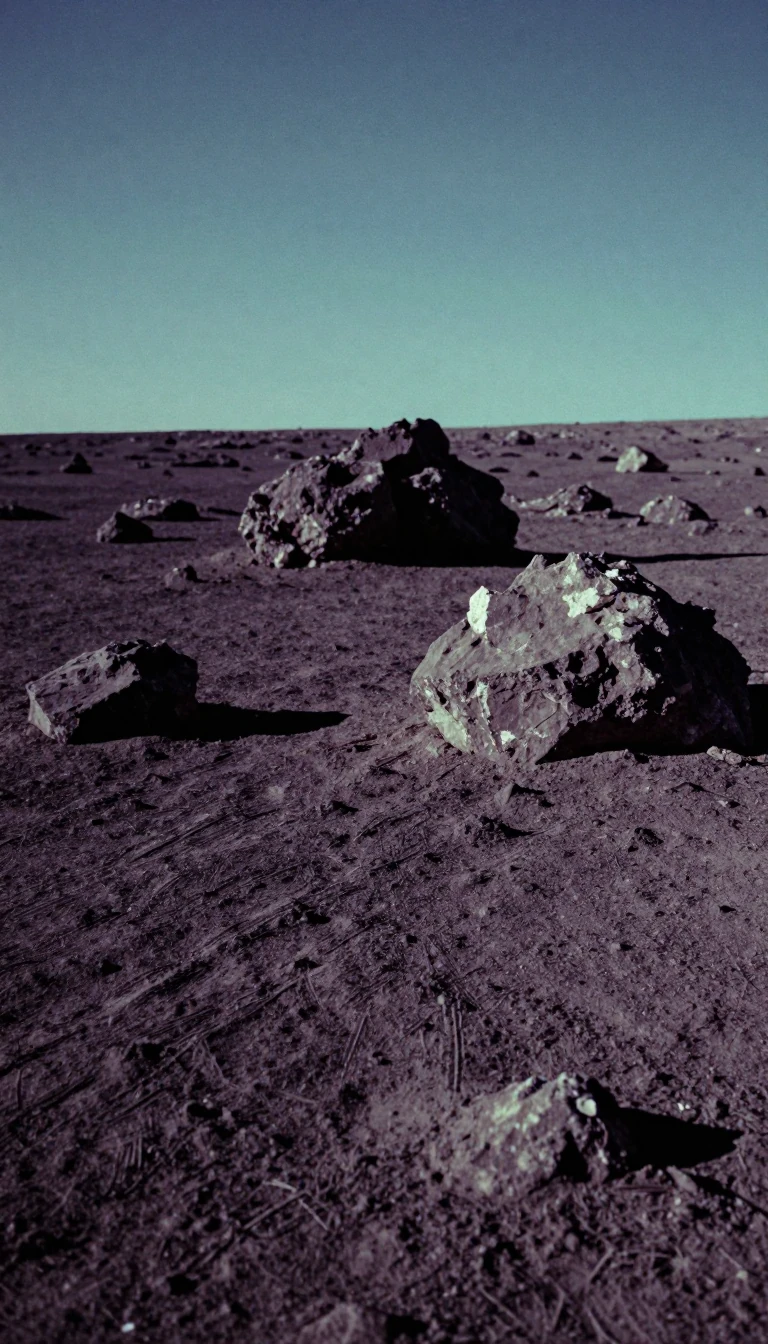
In short: Often mislabeled as the dark side, the Moon's far side receives just as much sunlight as the side we see. It remains a starkly different world, defined by a battered, crater-heavy landscape and a lack of the vast, dark volcanic plains that characterize the lunar face familiar to Earth.
Tidal locking ensures the Moon rotates at the same speed it orbits Earth, keeping one hemisphere permanently turned away from us. While we see 59 percent of the lunar surface over time due to libration, the remaining 82 percent stayed hidden until the Soviet Luna 3 probe captured the first images in 1959. Humans finally witnessed this rugged terrain firsthand during the Apollo 8 mission in December 1968.
The two hemispheres are geologically distinct. The near side is covered in large, dark maria—volcanic plains—which account for 31.2 percent of its surface. In contrast, the far side is brighter and dominated by a battered, densely cratered landscape, with maria covering only 1 percent of its area. Researchers suggest this disparity stems from the near side's thinner crust, which allowed basaltic lava to erupt more easily following meteoroid impacts. The far side also hosts the South Pole–Aitken basin, one of the largest impact craters in the Solar System.
Modern exploration has shifted from mere observation to active research. In 2019, China's Chang'e 4 mission achieved the first soft landing on the far side, followed in 2024 by the Chang'e 6 mission, which successfully returned the first-ever lunar samples from this region. Beyond geology, the far side offers a unique environment for astronomy. Because the Moon shields the area from Earth's radio interference, scientists consider it an ideal location for future radio telescopes designed to study the early universe.
Opens the Intellect+ feed with this card first. Swipe up for the next one.
Sources
- Summary by Intellect · source: Far side of the Moon
- Also: svs.gsfc.nasa.gov — NASA Scientific Visualization Studio | Lunar Near and Far Side Phases
- Also: NASA Science — Far Side of the Moon - NASA Science
To cite this card, link to https://intellectplus.co.uk/app/space-far-side-of-the-moon.
How we source, check and correct cards: Editorial standards.
General information, not professional advice. Spotted an error? Flag the card or see corrections and complaints.
Intellect Plus is a visual educational discovery platform for exploring fascinating facts and ideas. Brain Food, Not Brain Rot. What is Intellect Plus?
Related
More in Astronomical objects · More in Space · Latest · A–Z · All topics
