A faint, glowing patch in the night sky reveals the solar system's dusty history.
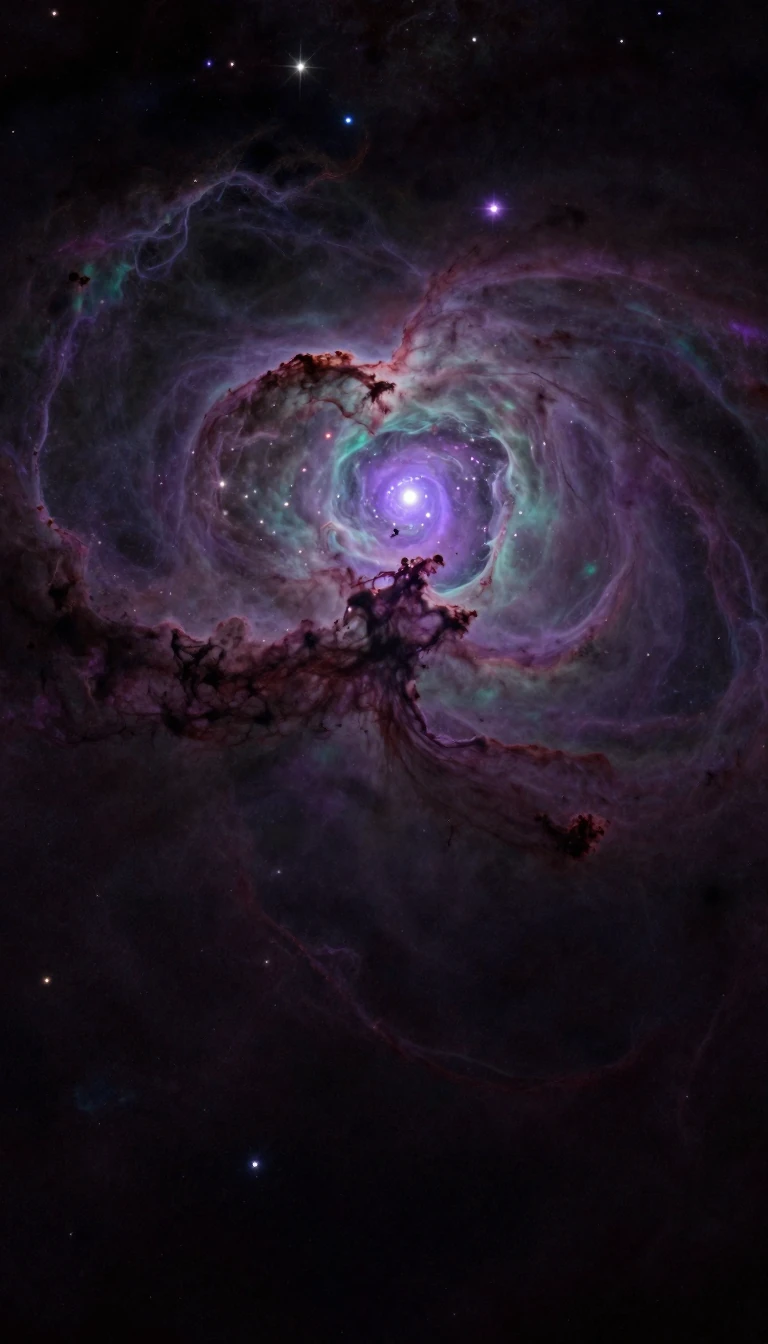
In short: Look directly opposite the Sun on a dark, moonless night, and you might spot the gegenschein. This elusive, oval glow is not a celestial object, but a trick of light caused by sunlight scattering off a vast disk of interplanetary dust that permeates our solar system.
The gegenschein, or counterglow, appears as a subtle, elliptical patch of light centered at the antisolar point. Its visibility is notoriously difficult, requiring dark-adapted eyes and an environment free from the interference of city lights or moonlight. During summer months, the phenomenon is often obscured by the brighter band of the Milky Way. While early theories once suggested the glow resulted from a concentration of particles at the Earth-Sun L2 point, modern observations have largely refuted this, showing that such material contributes only a tiny fraction of the observed light.
The mechanism behind this glow is the backscattering of sunlight by micrometeoroids—tiny grains of silicate minerals, metals, and carbonaceous material. These particles, typically less than a few hundred micrometres in size, originate from the erosion of asteroids and the outgassing of comets. This dust forms a continuous disk centered on the ecliptic plane, extending far beyond the heliopause. Because each particle is viewed at full phase from the observer's perspective, the light is relatively enhanced, creating the distinct, faint spot known as the gegenschein.
Beyond its optical intrigue, this cosmic dust is a time capsule. Micrometeorites collected from the stratosphere or polar ice provide scientists with some of the most pristine samples of the primordial nebular cloud that formed our solar system roughly 4.6 billion years ago. By analyzing these particles, researchers gain insights into the chemical and physical conditions present at the dawn of our planetary neighborhood. Furthermore, the constant rain of this material onto Earth may have delivered organic compounds essential for the emergence of life, linking the faint glow in our night sky to our own origins.
Opens the Intellect+ feed with this card first. Swipe up for the next one.
Sources
- Summary by Intellect · source: Gegenschein | Night Sky, Zodiacal Light, Milky Way | Britannica
- Also: Gegenschein
To cite this card, link to https://intellectplus.co.uk/app/space-gegenschein.
How we source, check and correct cards: Editorial standards.
General information, not professional advice. Spotted an error? Flag the card or see corrections and complaints.
Intellect Plus is a visual educational discovery platform for exploring fascinating facts and ideas. Brain Food, Not Brain Rot. What is Intellect Plus?
Related
More in Astronomical objects · More in Space · Latest · A–Z · All topics
