Why the most common structures in our universe are constantly merging into one
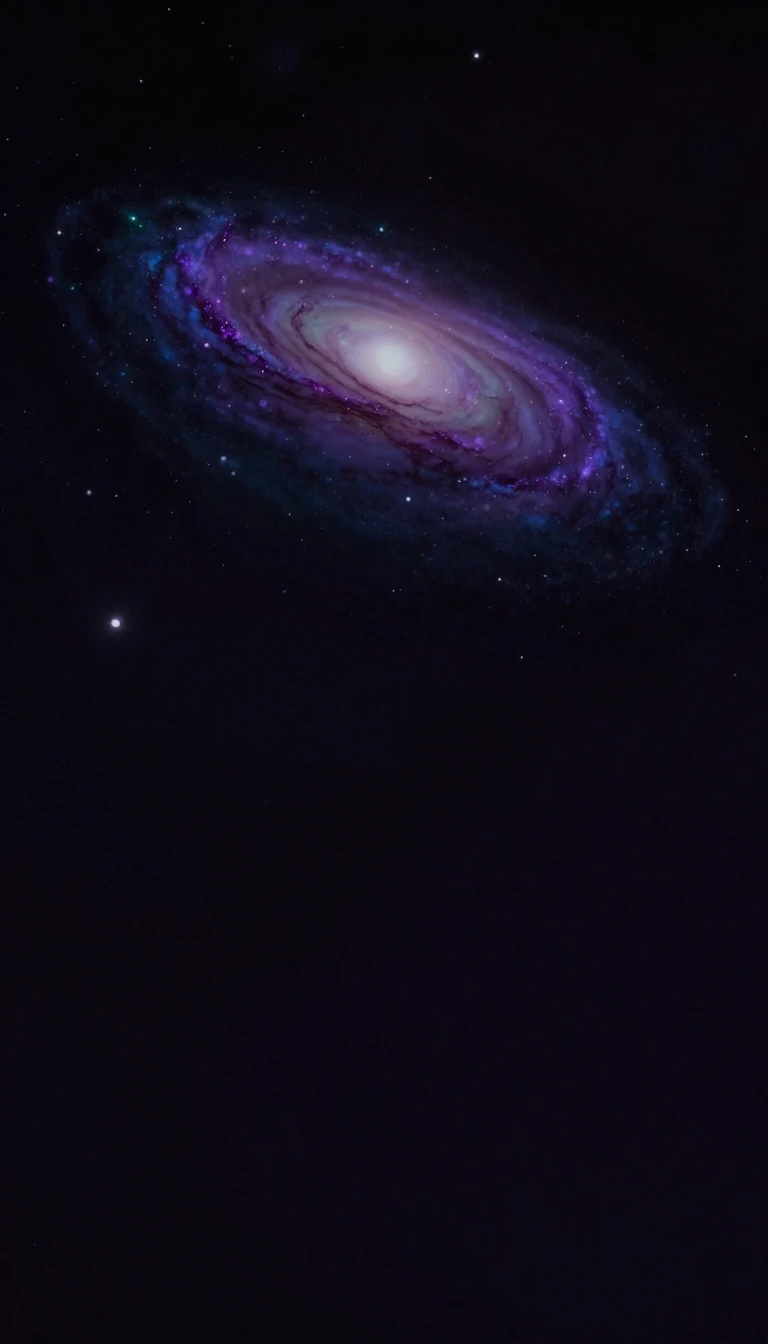
In short: Galaxy groups are the fundamental building blocks of the cosmos, housing at least half of all galaxies in our local neighborhood. While they appear as stable collections of up to 50 members, these systems are actually dynamic laboratories where galaxies collide, merge, and eventually transform into singular, massive fossil structures.
A galaxy group is defined as a gravitationally bound collection of 50 or fewer galaxies, each possessing a brightness comparable to or exceeding that of the Milky Way. These structures typically span a diameter of one to two megaparsecs and contain approximately 10 to the power of 13 solar masses. With velocity dispersions around 150 kilometers per second, these groups represent the smallest aggregates of galaxies in the universe, serving as the primary environment where galactic evolution unfolds.
The internal dynamics of these groups reveal a complex life cycle. In compact groups, which often contain only about five galaxies, the visible matter is insufficient to explain the gravitational binding of the system, providing clear evidence of dark matter. Because these compact configurations are not stable over the age of the universe, they inevitably evolve through mergers. This process is driven by dynamical friction, which causes massive galaxies to sink toward the center and coalesce. Over vast timescales, this merging activity results in fossil groups—old, isolated systems characterized by a central massive galaxy surrounded by a diffuse X-ray halo.
Scientists study these fossil groups to understand the history of galaxy formation. Because they have experienced little recent infall of large galaxies, they act as undisturbed laboratories for observing the intragroup medium. While the largest members have long since merged, these systems may still harbor smaller dwarf galaxies. Researchers rely on computer simulations of cosmological volumes to confirm this evolutionary path, tracing how proto-groups—collections of protogalaxies embedded in dark matter—gradually fuse into the stable, singular structures we observe today.
The study of these groups also offers insight into the broader cosmic web. About half of the groups in our local universe emit diffuse X-rays from their inner regions, a phenomenon typically associated with early-type galaxies. The closest example of a fossil group to our own home is NGC 6482, an elliptical galaxy located 180 million light-years away in the constellation of Hercules. By observing these systems, astronomers gain a clearer picture of how the universe transitions from chaotic, forming proto-groups into the mature, merged structures that dominate the galactic landscape.
Opens the Intellect+ feed with this card first. Swipe up for the next one.
Sources
- Summary by Intellect · source: Galaxy group
To cite this card, link to https://intellectplus.co.uk/app/space-galaxy-group.
How we source, check and correct cards: Editorial standards.
General information, not professional advice. Spotted an error? Flag the card or see corrections and complaints.
Intellect Plus is a visual educational discovery platform for exploring fascinating facts and ideas. Brain Food, Not Brain Rot. What is Intellect Plus?
Related
More in Galactic and extragalactic astronomy · More in Space · Latest · A–Z · All topics
